Your natural color sets the terms here: a shade close to it, like Mushroom Blonde or Auburn Blonde Waves, grows out gently, while a big jump to Blue-Black, Emerald Green or Rainbow Hair means more upkeep.
The list runs from Caramel Highlights and Dark Caramel Lowlights or a Blonde Highlight in Front to Rainbow Hair and Emerald Green, and the Sunflower Ombré, with dark brown roots melting into golden yellow ends, builds the grow-out line right into the color.
1. Blonde Highlight in Front
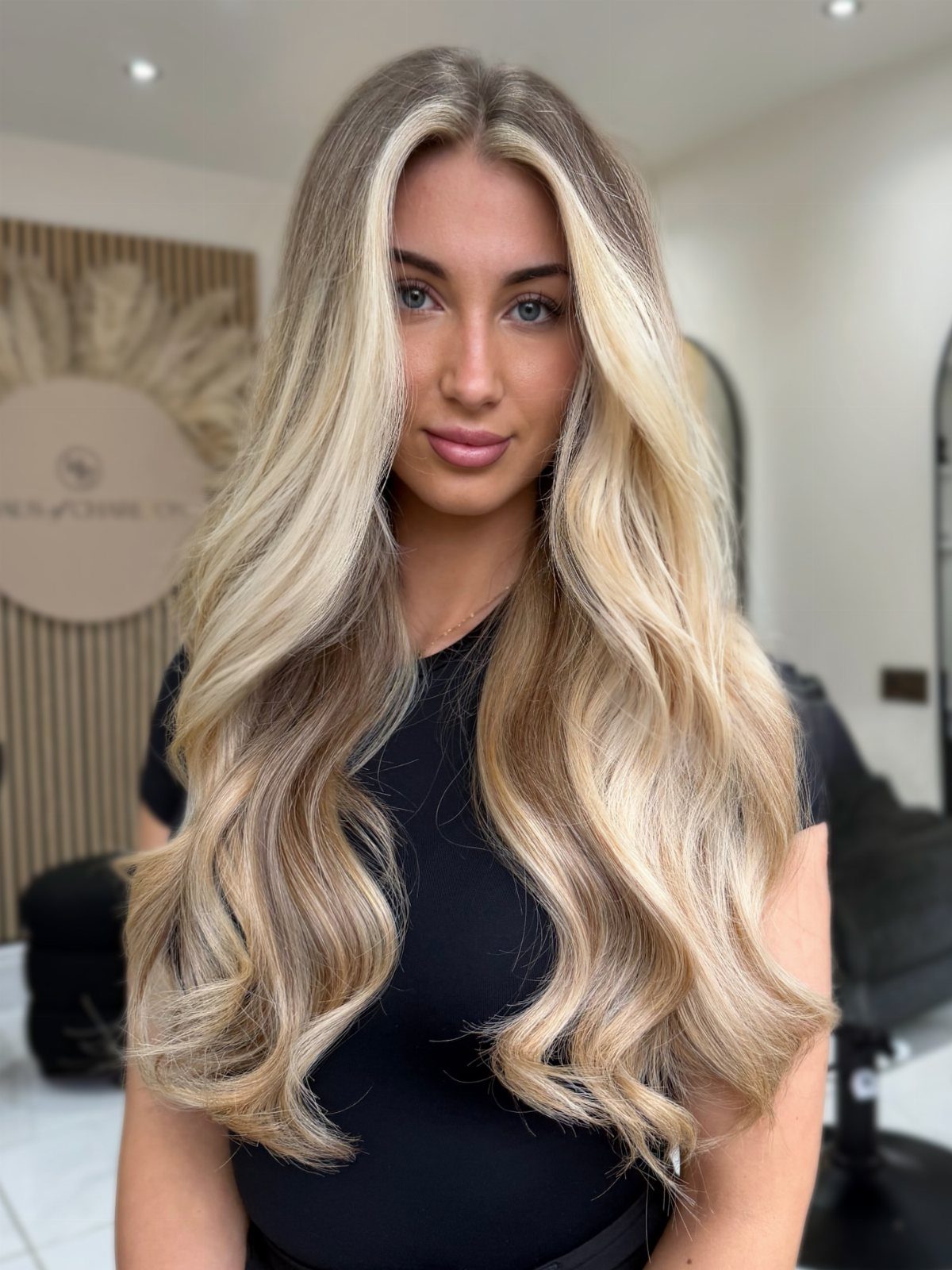
Face-framing blonde pieces do the brightening work right where light hits first, around the cheekbones and jawline.
Since the color sits at the front, the rest of the hair can stay as it is, which suits a reader who wants a change without committing to an all-over lightener.
I like this best on long, wavy hair, where the bright strands catch in the movement. Ask your colorist to keep the placement soft rather than stripe-like.
2. Chocolate Cherry
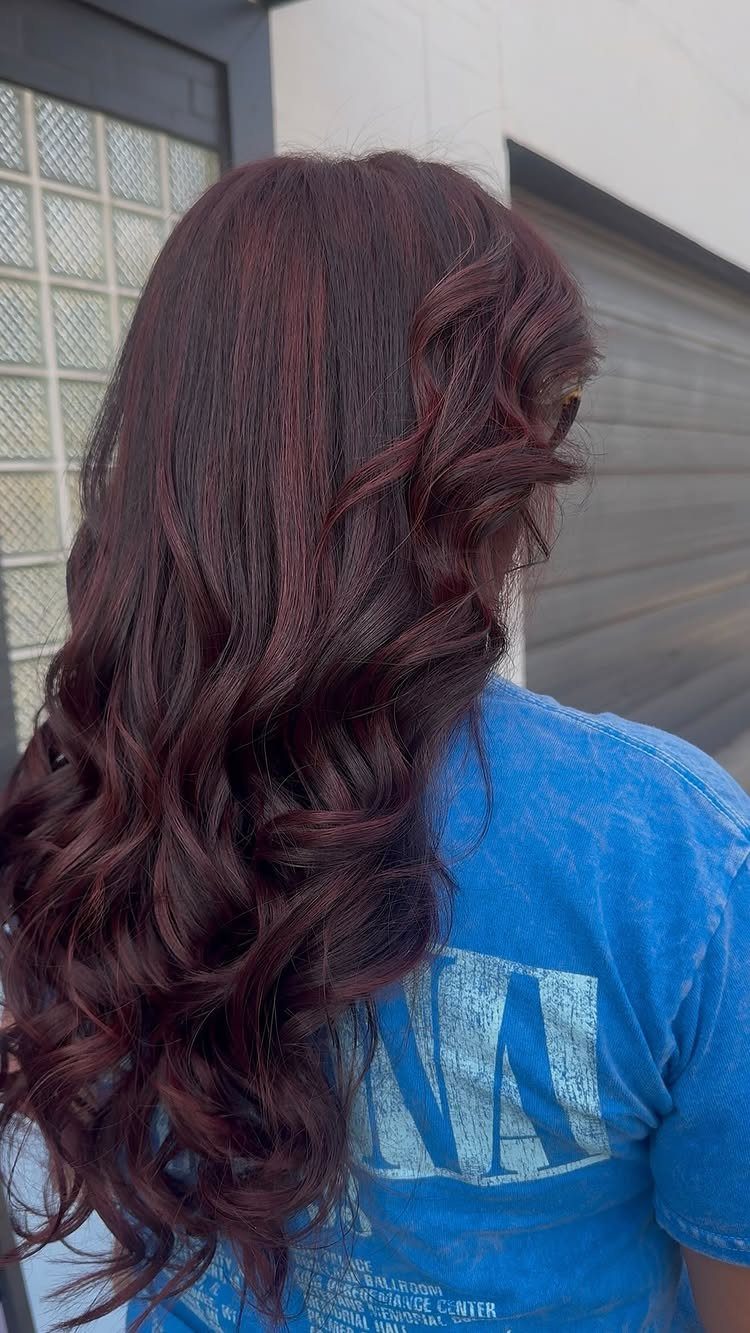
Deep violet laid over a cool brown gives chocolate cherry its depth. It reads as brown at first glance, then shows a plum glow when the light moves across long waves.
For a reader who likes quality over quantity, that quiet effect is the draw: it feels rich without looking loud.
I would choose the cooler, browner end of the blend over a bright cherry, since it stays polished and easy to live with.
3. Cayenne Copper Hair
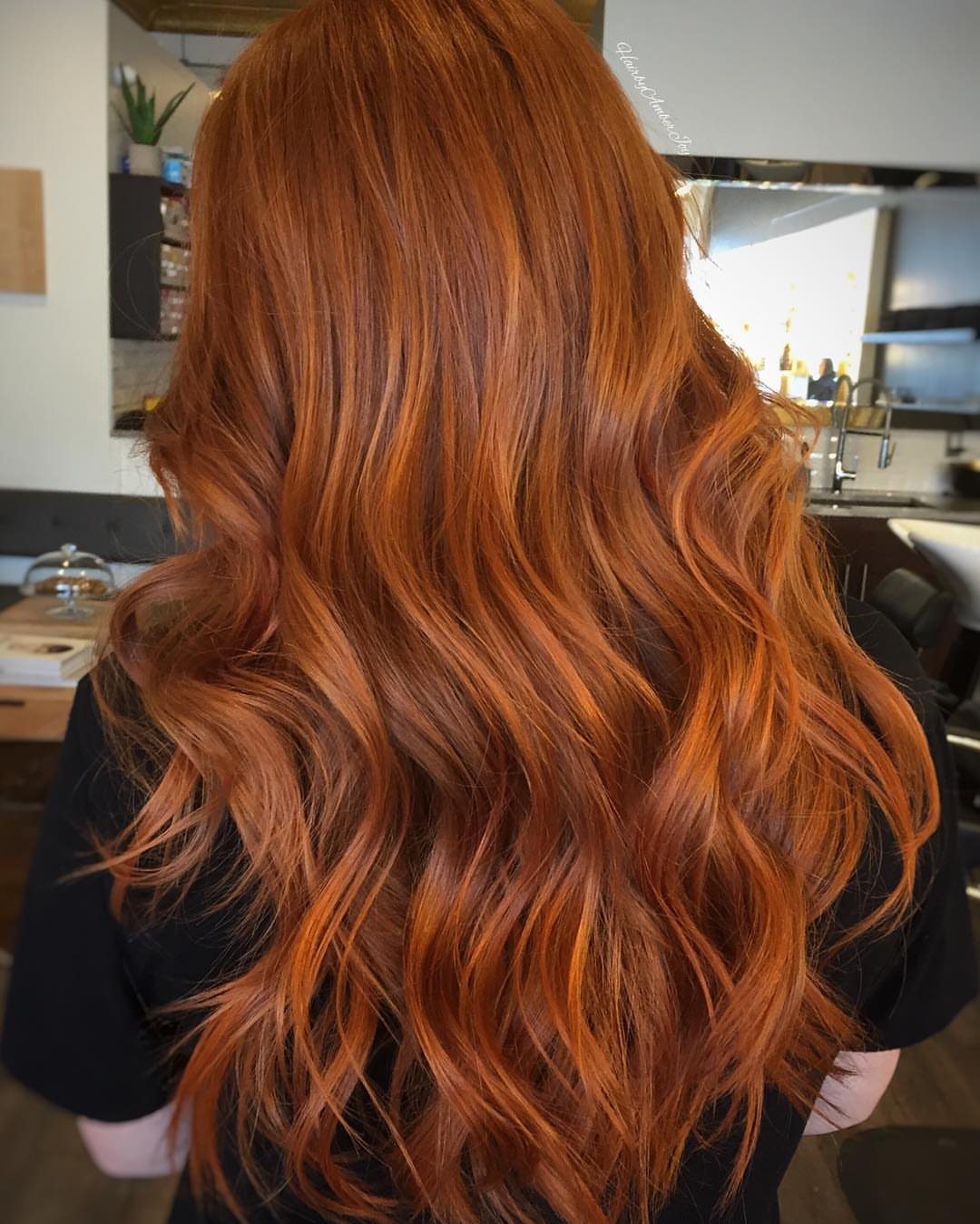
Named for the spice, cayenne copper pairs deep orange with rusty red, and the warmth shows most on long, wavy lengths. Few shades look this intense without being neon.
I would pick it if you want one bold color instead of several competing ones. Ask for the red tones to run through the whole length so the copper looks even from behind, as it does here.
If you’re on the hunt for cool hair color ideas that flatter deeper skin tones, consider magenta. This vibrant hue blends deep pink and cool purple tones to create a vivid shade that pops against deeper complexions.
4. Smoky Silver
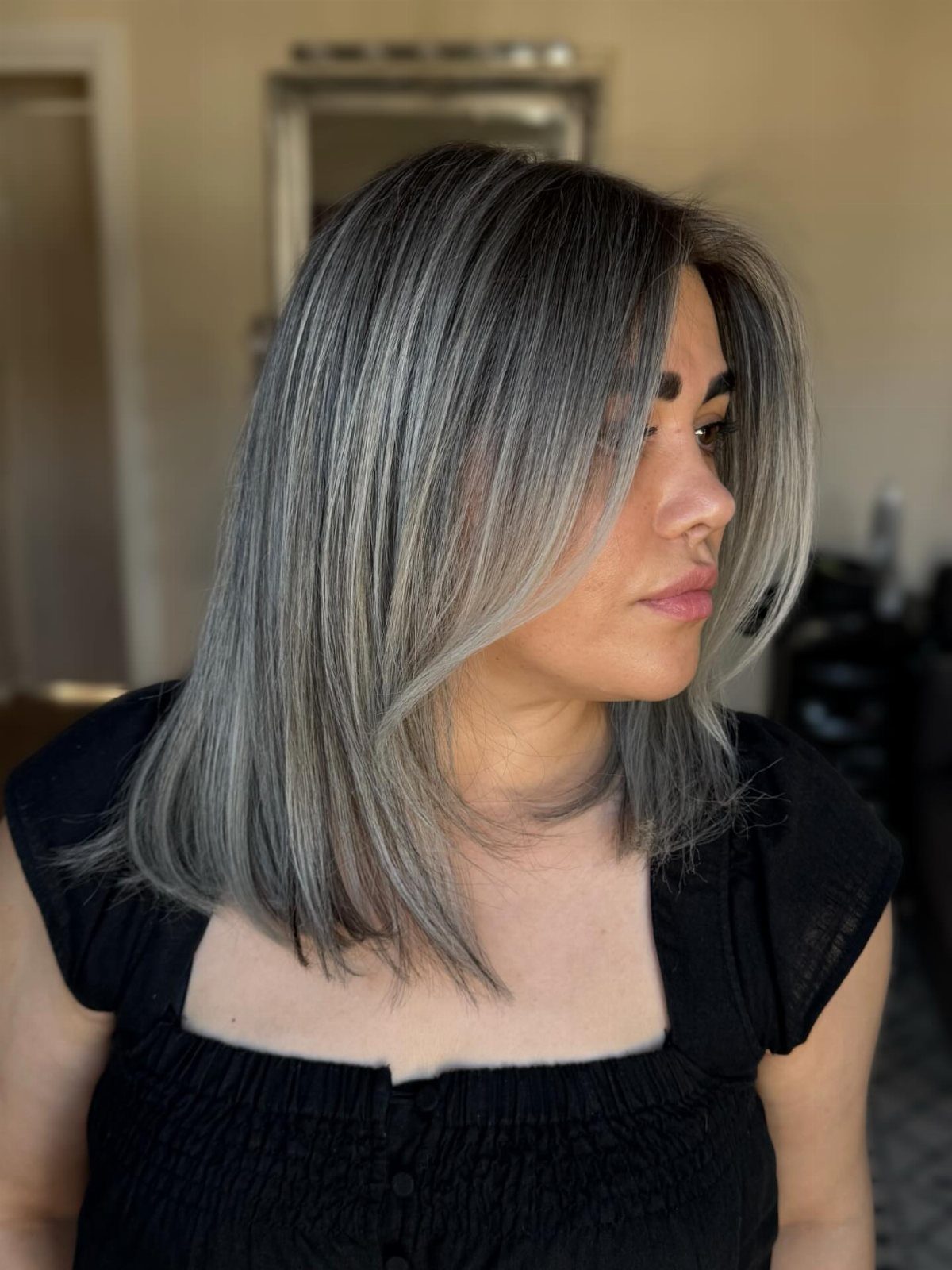
On shoulder-length hair it looks sleek and intentional, and a black top, as shown, lets the metal tone stand out.
Because the base is neutral, it works as a calm choice for readers who dislike trend-heavy color. I prefer it with a blunt, tidy cut.
5. Blue-Black Hair Color
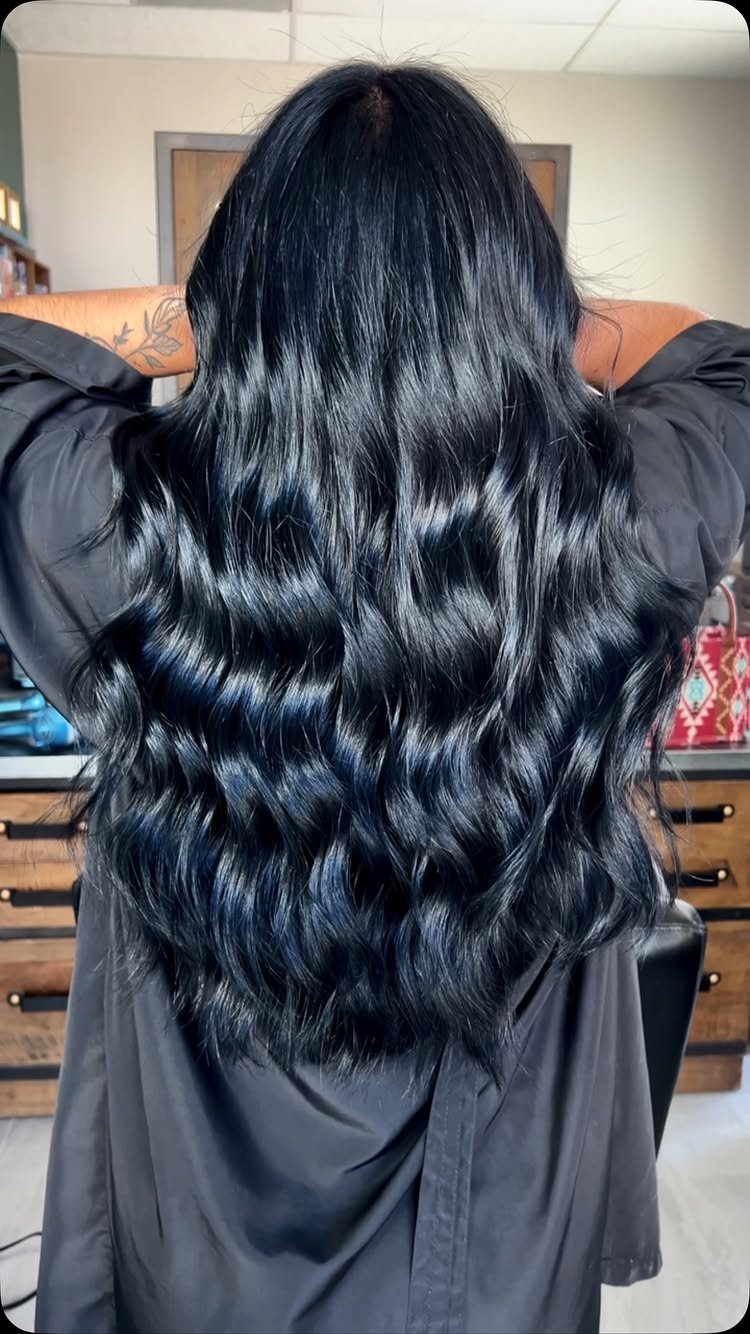
Blue-black looks like plain black until light hits it, then a cold blue sheen appears down the waves. That is the whole appeal, and it is subtle enough to wear daily.
It is a confident shade, though, so I would only pick it if you like being noticed. Long, wavy hair gives the sheen room to move.
6. Auburn Blonde Waves
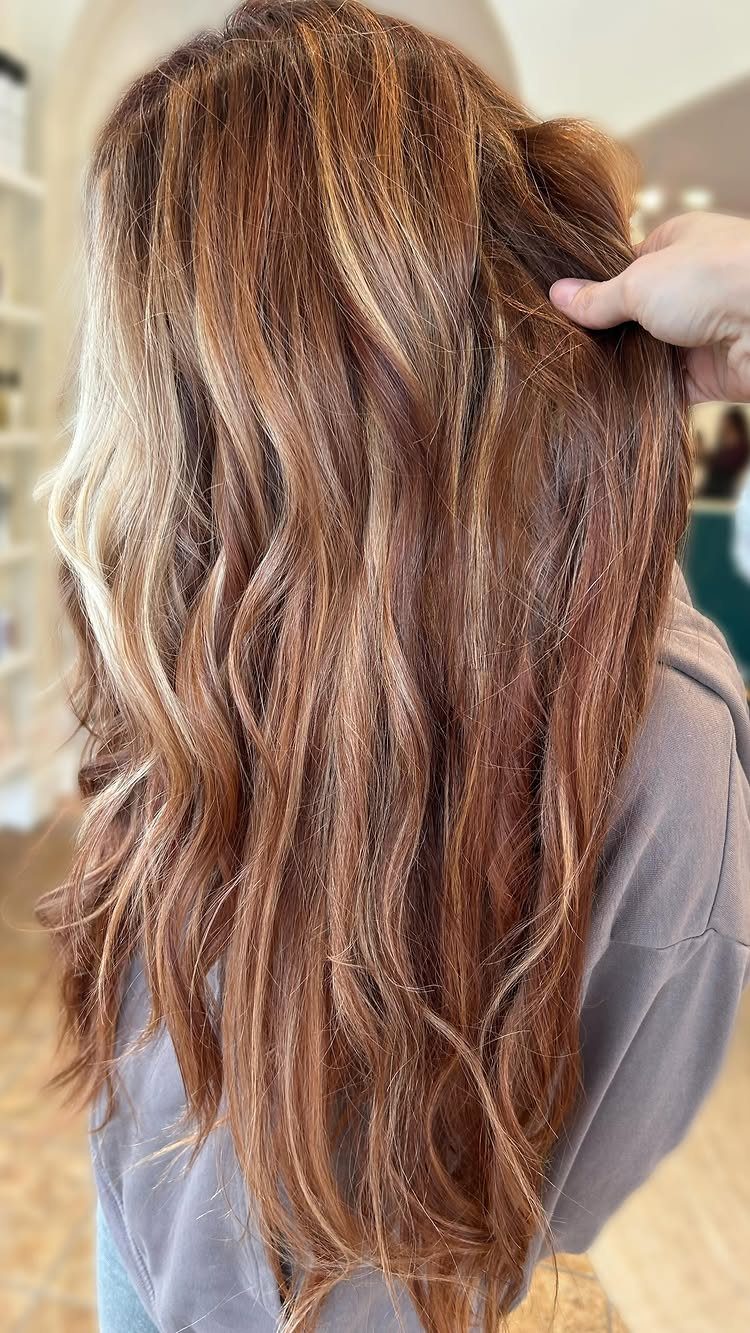
Dark auburn with blonde highlights gives you warmth and contrast in one head of hair. The blonde brightens the red-brown base, and the effect shows best in loose waves, where the 2 tones shift against each other.
Ask your colorist to place the highlights in thin pieces so they read as woven in, not striped. If the contrast feels like too much, I would choose a softer blonde.
7. Rainbow Hair
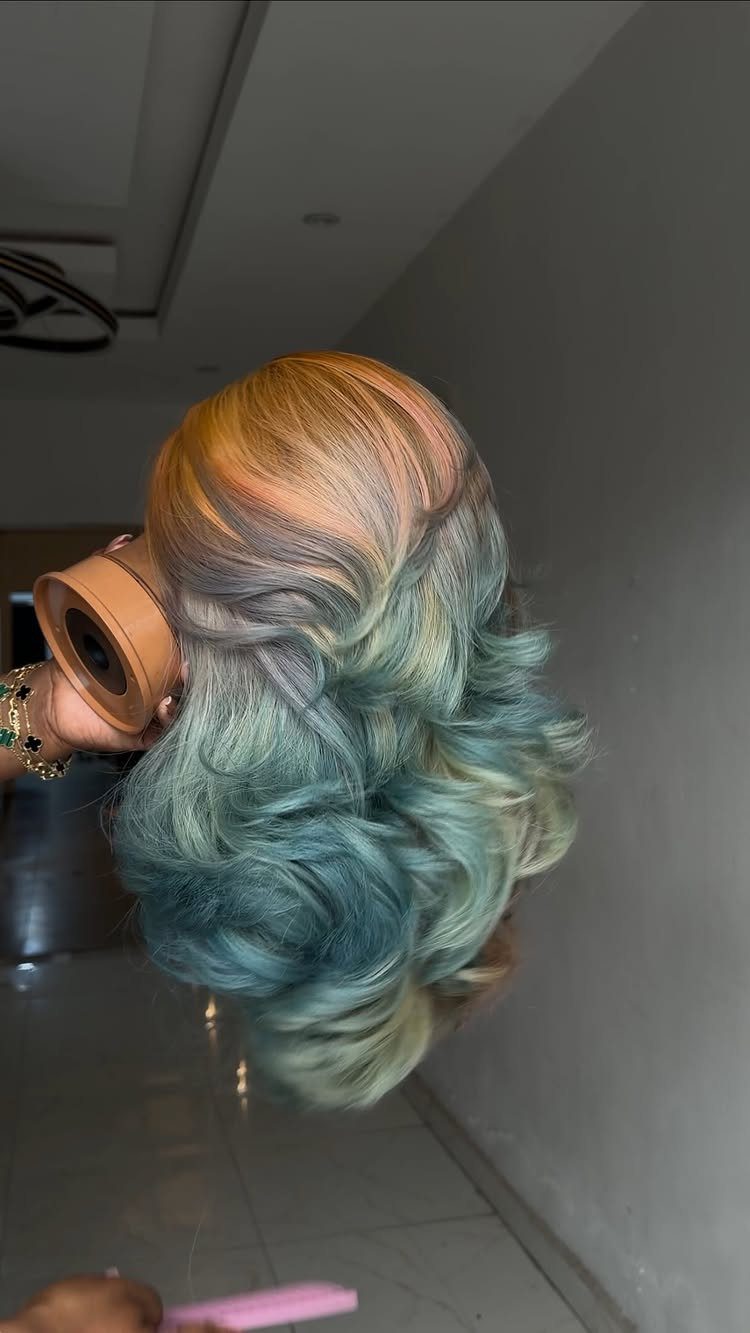
Curls help, because each ringlet shows a different band and the colors shift as the hair moves.
I would ask for the shades to melt into each other rather than sit in blocks. It is a loud choice, so wear plain clothes and let the hair do the talking.
8. Rose Gold Pinkish Overtone
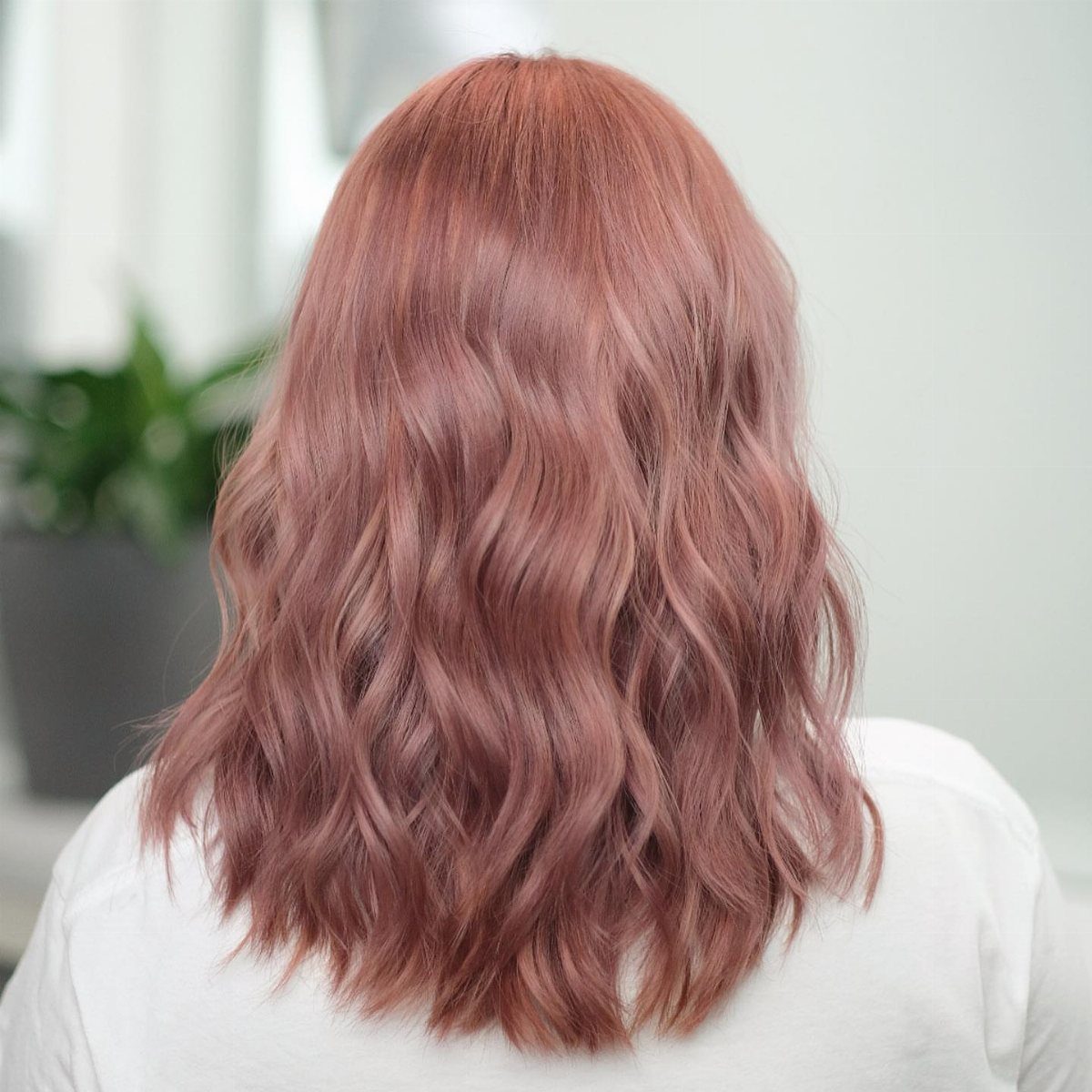
A pink overtone on light blonde strands gives rose gold its shimmer, and it reads as a soft twist on blonde instead of a full color change.
On shoulder-length waves, the metallic glow moves with each curl.
I like it for a reader who wants playful color but still wants it to look like her own hair. Ask for a gentle pink, since the blonde underneath should stay visible.
9. Mushroom Blonde Hair Color
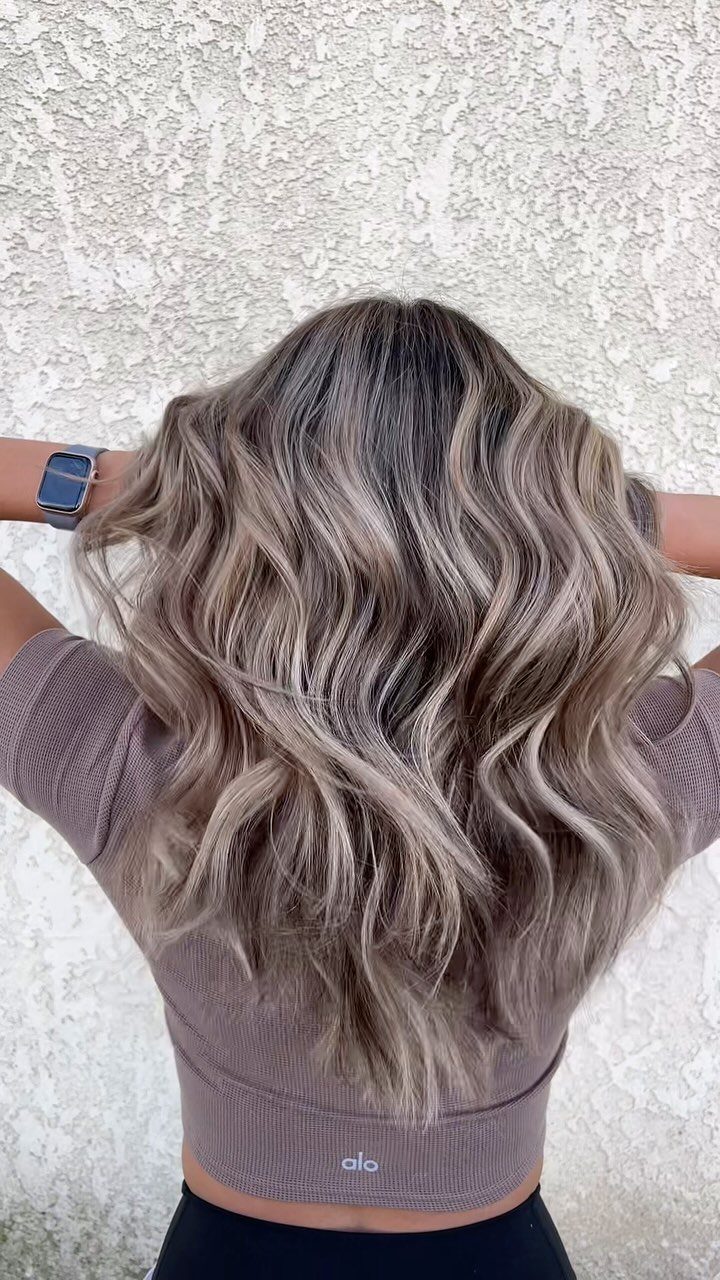
Mushroom blonde sits between blonde and brunette, with ash and taupe tones that look smoky instead of golden. Waves give the shades room to blend, so the color looks layered, not flat.
For a quality-over-quantity reader, it is an easy shade to wear with almost anything, which is why I rate it highly.
Ask your colorist for a cool, ashy finish rather than a warm one, or the taupe can drift toward yellow.
10. Wavy Red Hair with Green Ends
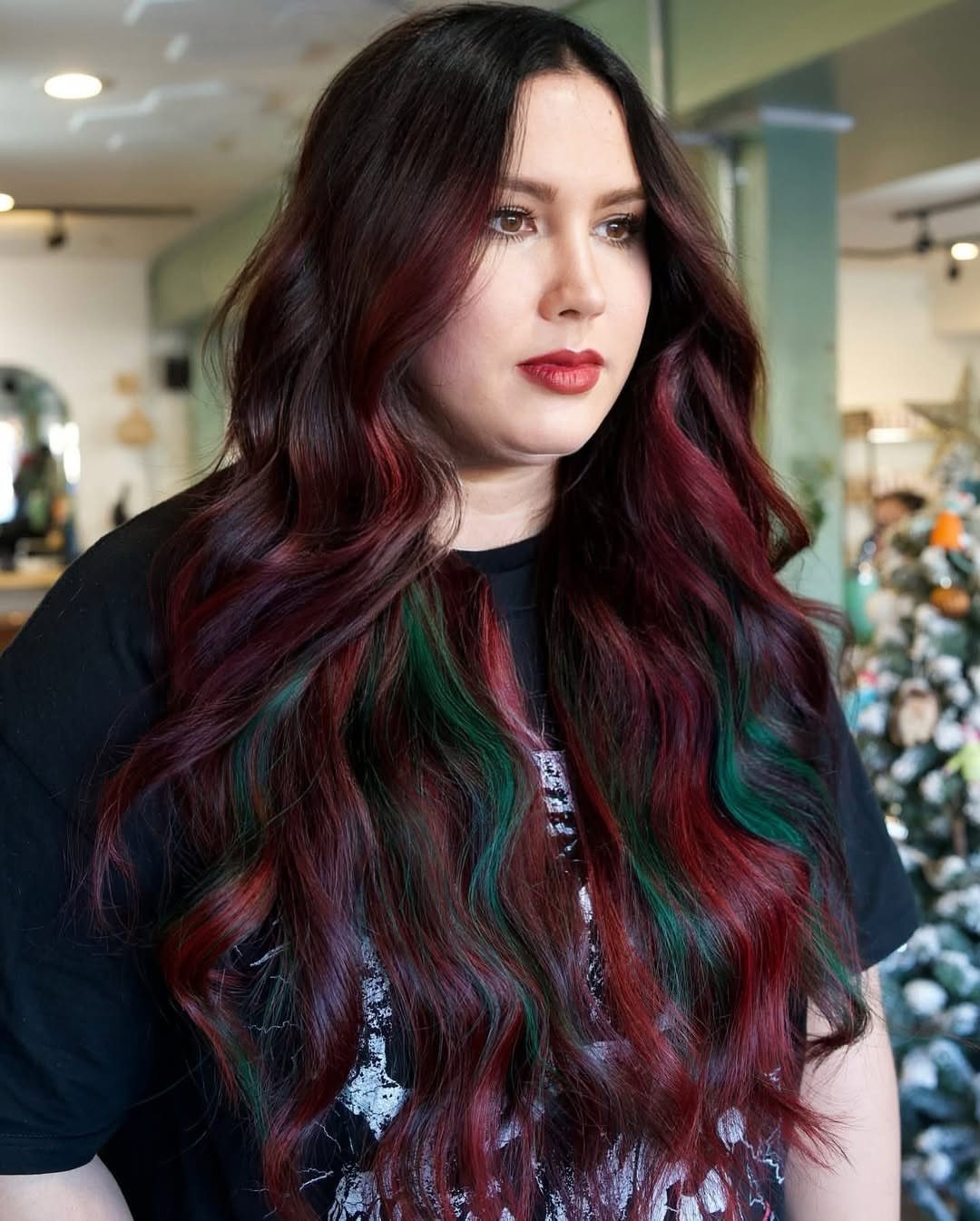
Bright green tips on a fiery red base work because red and green sit opposite each other, so each makes the other look sharper. Burgundy tones in the red add depth and keep the green from looking pasted on.
I would keep the green to the ends only, which is easier to grow out or trim away. Long, wavy lengths give the color somewhere to show.
11. Caramel Highlights and Dark Caramel Lowlights
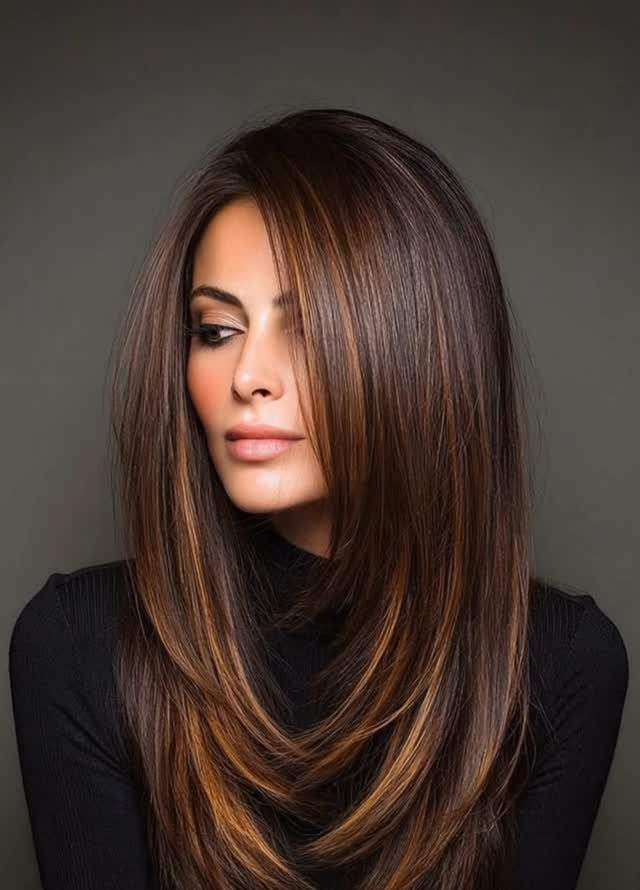
Caramel highlights over dark brown, with deeper caramel lowlights between them, give long layers real dimension. The lighter pieces catch light while the darker ones add shadow, so the cut looks fuller.
This is the most wearable idea in this stretch of the list, and my pick for anyone nervous about color. Ask for the caramel in both light and dark tones, spaced unevenly so it looks natural.
12. Layered Curly Bob with Purple Highlights
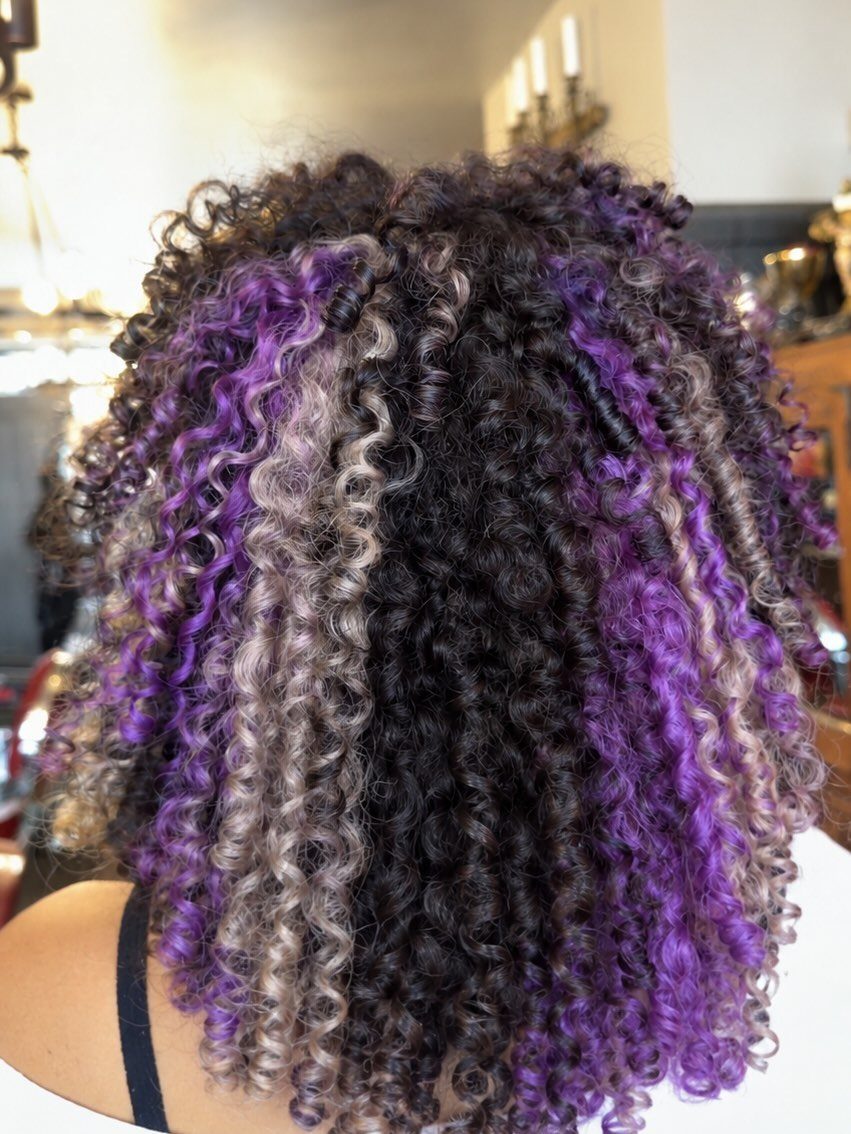
Purple and silver-blonde pieces threaded through dark brown make a curly bob look playful without feeling childish. Layers matter here, since each curl can carry its own flash of color.
Because the base stays dark brown, the bright shades read as accents.
I would keep the purple in a few pieces rather than all over. Ask your colorist to place the silver-blonde near the face, where it lifts the whole cut.
13. Burnt Orange
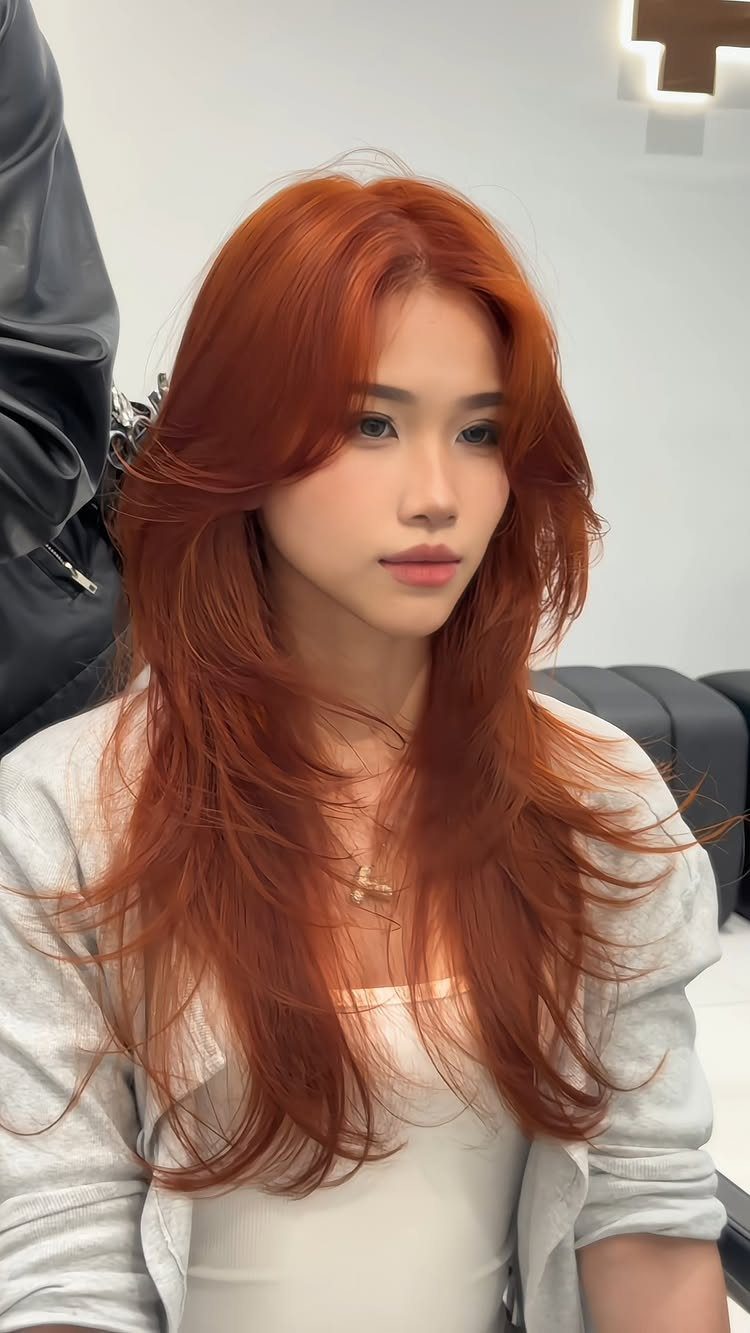
Burnt orange sits between copper and rust, and on long layers with bangs it reads warm without tipping into neon. The layers let the shade shift from deeper to brighter as the hair moves.
It is a bold color, so I would choose it only if you want to be noticed.
Neutral clothes, like white and grey, keep burnt orange hair as the single loud element in the outfit, so let the color do the talking and save patterns and brights for another day.
Ask your colorist for a rusty, slightly muted orange if bright feels like too much.
14. Emerald Green
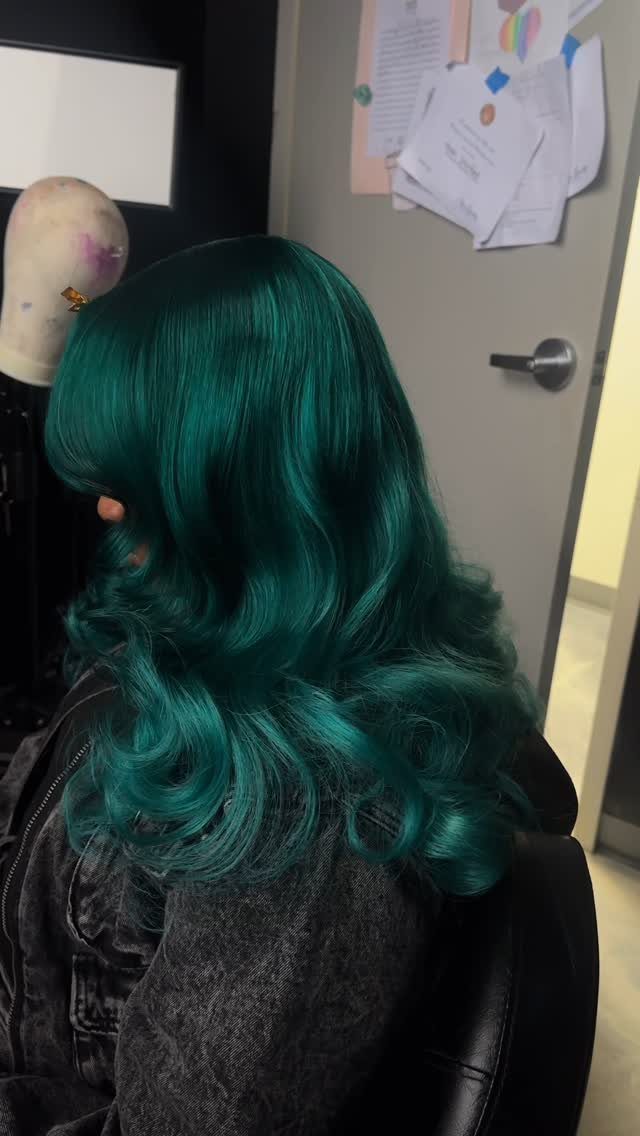
Deep emerald green on long waves looks rich instead of playful, because the darker tone gives the color weight. Waves help, since the shade moves from jewel-bright to nearly black in the shadows.
Denim and other plain, muted pieces sit well beside it. I would pick emerald over a lighter green for a reader who wants color she can wear with almost anything.
Ask for a deep, slightly blue-leaning green, since that keeps it looking polished.
15. Sunflower Ombré Hair
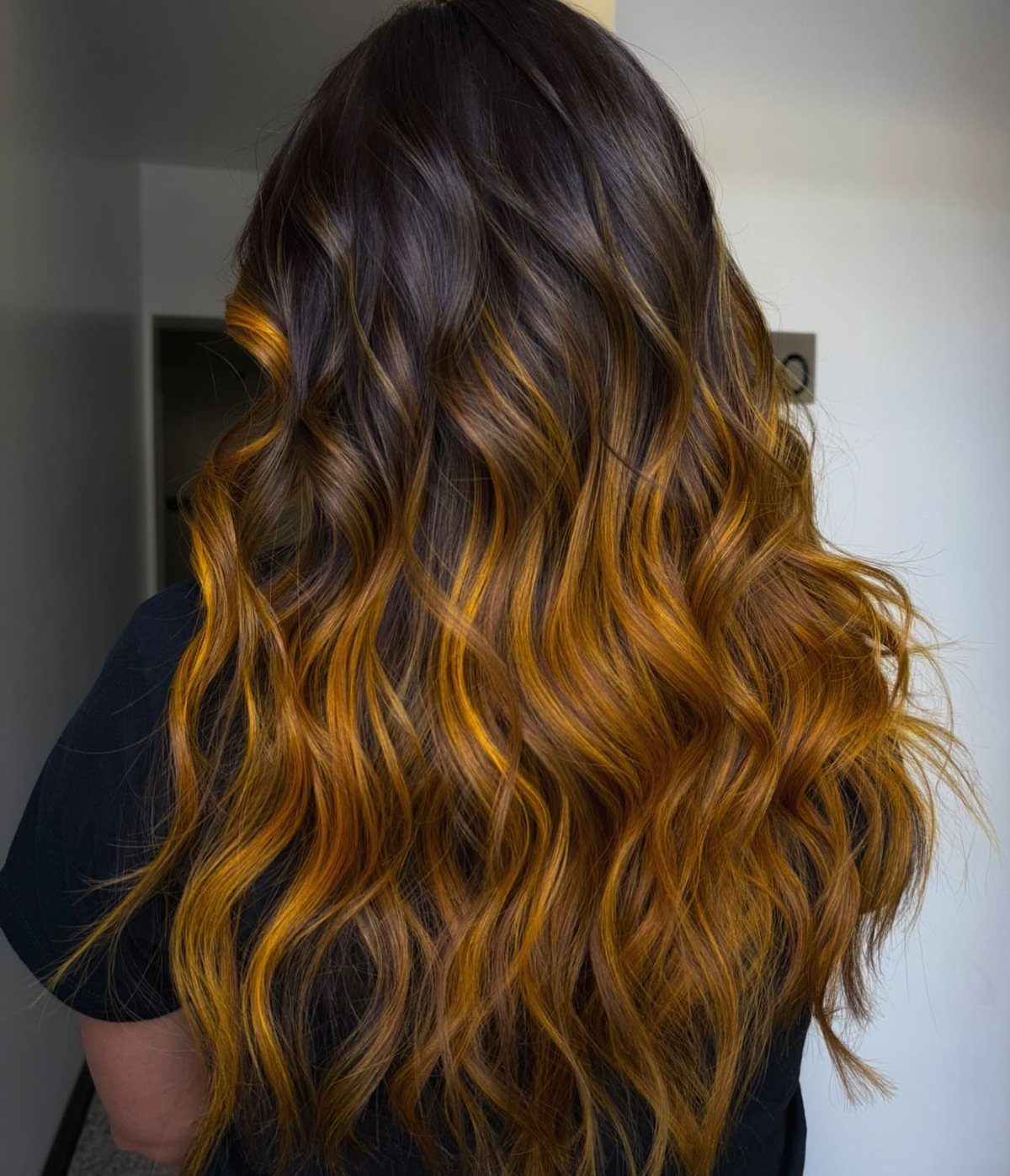
Dark brown roots that melt into golden yellow ends give sunflower ombré a built-in grow-out line, so the roots never look like a mistake. On long waves, the gradient stretches out and the bright ends catch the light.
I like it for a reader who wants lighter hair without bleaching from the scalp. Ask your colorist to blend the shift slowly, so the brown fades through golden-orange before reaching yellow instead of stopping in a hard band.
Maintaining Color Treated Hair
Shampoo built for color-treated hair is the first swap to make, since it adds moisture while it cleans. Washing 2–3 times a week keeps more pigment in the strands than daily lathering does.
Heat is the other thing that dulls a fresh shade. Dryness and faster fading follow hot tools, so skip them when you can, and put a heat protectant on first when you can’t.
Sun and pool water also wear color down.
Sun and chlorine fade color fast, so a hat or a UV-protectant spray handles the first and a swim cap, or a quick fresh-water rinse before and after the pool, handles the second.
A deep conditioning mask used regularly keeps the hair hydrated, and scheduled touch-ups with your stylist keep roots and tone fresh.
Choosing the Right Color
Skin tone decides whether a shade brightens you or leaves you looking tired. A small shift in tone can make skin look healthy and glowing, and a slightly wrong one can flatten it even after a mild change.
If you’ve been feeling dull lately, your current color may be fighting your complexion. Check that first before blaming the cut.
Some pairings are easy to trust: auburn flatters olive and dark skin tones, and caramel suits fair skin.
Also consider your natural color. The closer the new shade sits to it, the easier the grow-out, so a big jump deserves a talk with your colorist about upkeep before you book.
Professional Vs. DIY Coloring
Salon color is the safer route for complex shades or big changes. A trained colorist can control lift and tone, which protects your hair from damage and gives the most even result.
Multi-tone looks, such as blended highlights with lowlights, are hard to place on your own, especially at the back of your head. Fixing a bad home result usually costs more than the salon visit would have.
If you do color at home, keep it to a small change close to your current shade. Bring your stylist in before anything drastic.
Frequently Asked Questions
What types of hair colors are there?
Hair color runs from natural-looking shades like caramel, mushroom blonde, auburn and blue-black to bold fantasy colors like emerald green, rainbow and purple.
Subtle options such as caramel highlights with darker lowlights suit anyone nervous about color. Louder ones, like burnt orange or green ends on red hair, suit someone who wants to be noticed.
What is the best way to cover gray hair?
Choose a color close to your natural shade, since the smaller the jump, the easier the grow-out and the less often you need touch-ups.
Blended highlights woven with lowlights soften gray too, but the placement is tricky to pull off solo, and the back of the head is where most home attempts go patchy.
What are good hair colors for girls?
Caramel highlights with deeper caramel lowlights are the most wearable pick, and mushroom blonde goes with almost anything.
For playful color that still looks like your own hair, a gentle rose gold pink over light blonde works well. Skin tone should steer the pick: auburn tends to flatter olive and deeper complexions, while caramel suits fair skin.