The ideas here range from free habits like scalp massages and stress management to scalp serums and supplements, and which one fits depends on why your hair is thin in the first place.
Low iron or zinc, a stressful stretch and a weak scalp environment each call for a different fix, so matching the idea to the cause matters more than stacking everything at once.
Blood work that checks both hemoglobin and ferritin settles the question before you spend anything.
1. Scalp Massages
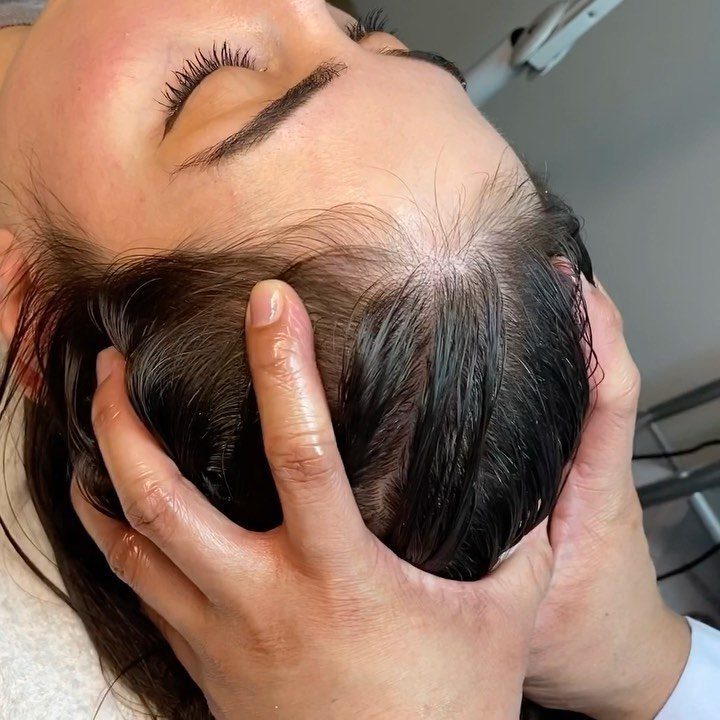
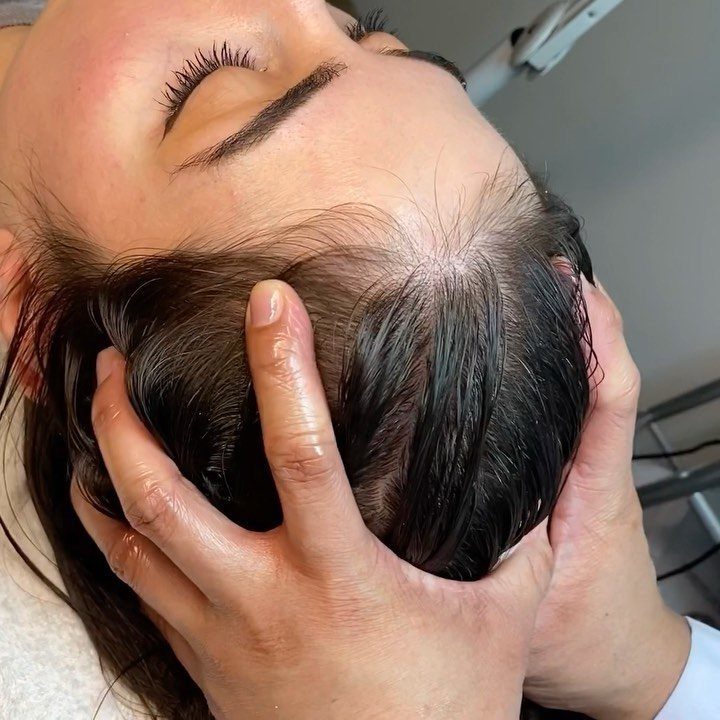
Wet hair and a relaxed scalp make the best conditions for a massage, which is why it fits so naturally into a shampoo routine.
Press the pads of your fingers into the scalp and move the skin in small circles, covering every section; nails scratch and irritate, and the gentle pressure is what is meant to bring more blood to the follicles.
Use slow, small circles with firm pressure, enough to move the skin over the bone rather than slide across it. A few minutes while the conditioner sits is an easy habit, and it costs nothing.
A salon session feels wonderful, but a daily home version will do more for you.
2. Trying Supplements
Of every option here, supplements work the slowest, so give them months, not weeks, and drink plenty of water alongside them. Hydration is free, so start there, then decide whether a tablet is worth the monthly cost.
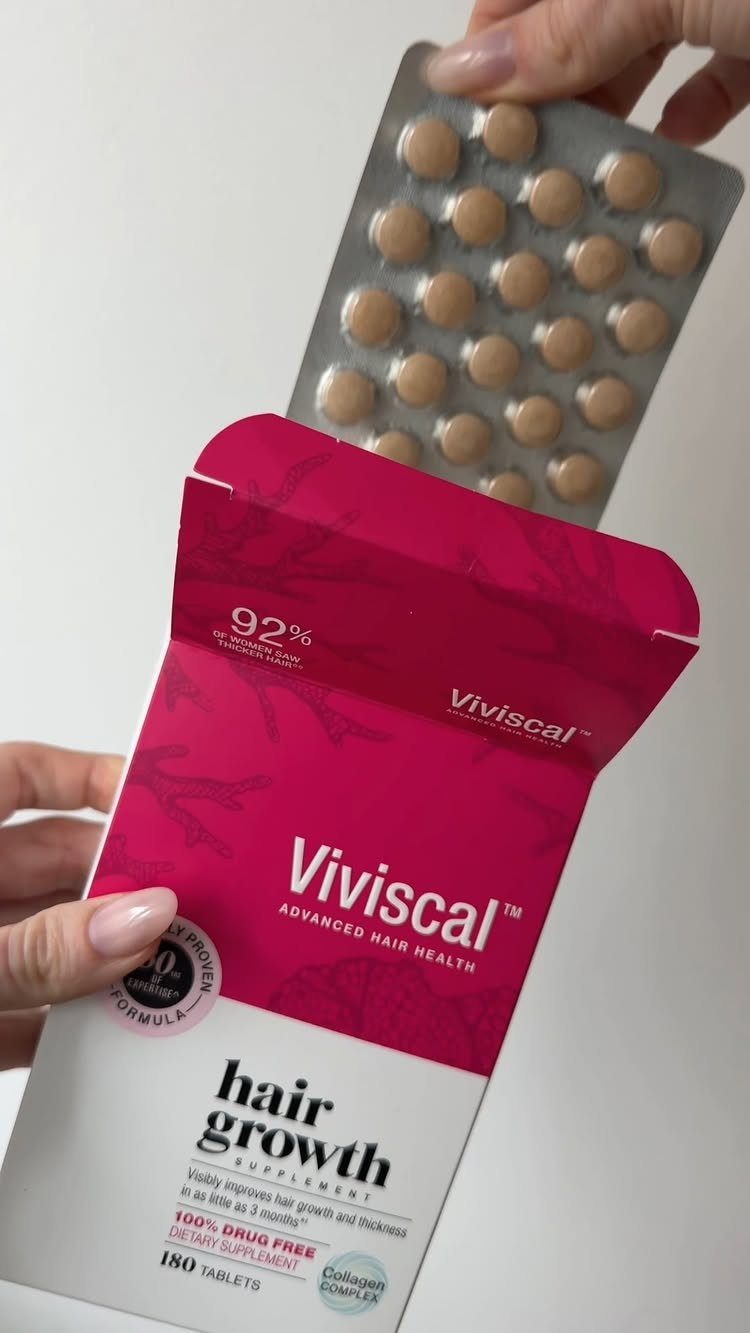
Many hair supplements, Viviscal Advanced Hair Health among them, come in blister packs, which make it easy to see whether you took today’s dose. Prices vary a lot, so check the cost per month before committing.
Skip anything you can’t take consistently. If you have a health condition or take medication, ask your doctor first.
3. Applying Scalp Serum
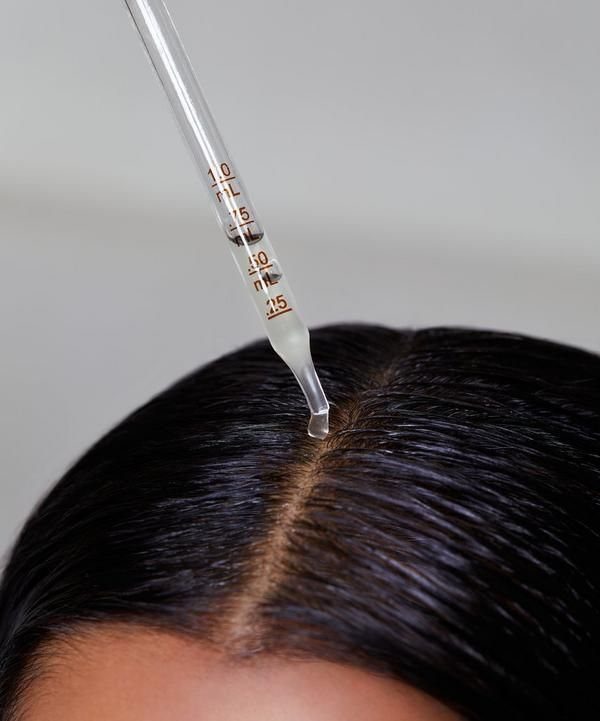
A glass dropper gives a serum the precision a pump bottle can’t.
Section off a thin line of hair with a comb, press the applicator tip close to the skin, and squeeze out the liquid along that line so it reaches the scalp, not the strands.
Move the part over about half an inch and repeat until you’ve covered the thinner areas. Then use your fingertips to spread it in.
A clear, lightweight formula suits thick hair best, since it won’t leave roots looking flat or greasy. Apply it to clean, dry or towel-dried hair for the least mess.
Importance of Scalp Health
Your scalp carries its own mix of bacteria and fungus, and that balance keeps the skin, and the hair growing from it, in good shape.
Scrubbing with strong cleansers, or going too long between washes, can irritate the skin there and set off problems that hold hair back.
Treat the scalp like facial skin: clean it regularly with a gentle shampoo, and avoid stripping it of natural oils.
A scalp does best when its oil and moisture stay level, since product buildup and plugged pores can crowd the follicles and disrupt how the hair grows.
Set realistic expectations.
Good scalp care helps you get the most from the hair you can grow, but dormant follicles stay dormant, and your genes still set the limits. Give it a good while before you judge, because changes show up slowly.
To maintain hair thickness in the long term, and promote overall healthy hair growth, Ohta recommends paying particular attention to the scalp, cleaning it every two to three days and incorporating a good scalp oil into your hair care routine.
— Vogue
Nutritional Deficiencies
Ask your doctor for blood work before spending money on any product. Low iron is among the most common reasons women thin out, and a low ferritin level, which reflects your iron stores, can start shedding before anemia ever appears.
Ask for both hemoglobin and ferritin to be checked, especially if your periods are heavy.
Vitamin D and zinc are worth testing too. Shedding has been tied to low zinc, and vitamin D also helps follicles work as they should.
Food comes first.
Most people get enough from a regular diet, so eat protein at most meals: fish, poultry, eggs, legumes, nuts, seeds or quinoa. Add fruits, vegetables, whole grains and healthy fats.
Be careful with extras, since too much vitamin A can itself cause hair loss.
Stress Management
The shedding lags behind the stress, so a rough stretch can seem unconnected by the time you see hair collecting in your brush.
That delay matters when you judge what’s working. If you’ve been under strain, give your hair time to recover before you change your whole routine.
Pick a stress habit you will actually repeat, whether that’s meditation, a daily walk or an earlier bedtime. Consistency counts more than the method, and it helps keep the systems that regulate hair growth steady.
If shedding continues well after things calm down, see your doctor to rule out other causes.
Frequently Asked Questions
What makes scalp hair thicker?
A healthy scalp is the starting point: a gentle shampoo, regular cleaning, and no stripping of natural oils.
Massaging the scalp with your fingertips in small, firm circles, plus checking for low iron, zinc or vitamin D with your doctor, covers most of what you can control.
A good scalp routine gets the best out of the follicles you already have; it can’t wake dormant ones, and your genes still decide the ceiling.
What causes thin hair?
The common causes are genetics, hormonal imbalances, stress and over-styling. Low iron ranks high on the list for women, and ferritin can drop low enough to start shedding well before a blood count shows anemia.
Because stress shedding trails the trigger by a few months, the hair in your brush rarely seems tied to anything that happened.
Can thin hair become thick again?
Often yes, depending on the cause.
Shedding from stress, poor condition or breakage can be reversed, while genetic thinning is harder to treat and is usually managed rather than undone. Expect slow change: supporting new growth takes at least 3–6 months, and reduced breakage shows up sooner.
What are the best products for thickening hair?
A clear, lightweight serum in a glass dropper bottle is my pick for a scalp routine on thick hair, since a few drops reach the skin and leave the roots neither flat nor greasy.
Thickening shampoos mostly make hair look fuller by coating each strand and clearing buildup; they don’t necessarily increase growth. Supplements work slowest, so give them months and check the monthly cost first.