The ideas here run from a scarf, the cheapest place to buy something better made, to a long quilted coat or a white wool coat that needs a brush and occasional dry cleaning.
Upkeep and layering decide the pick: on a commute, navy or black hides dirt, while indoor days can handle a cream cardigan or a lighter scarf.
1. Quilted Coat
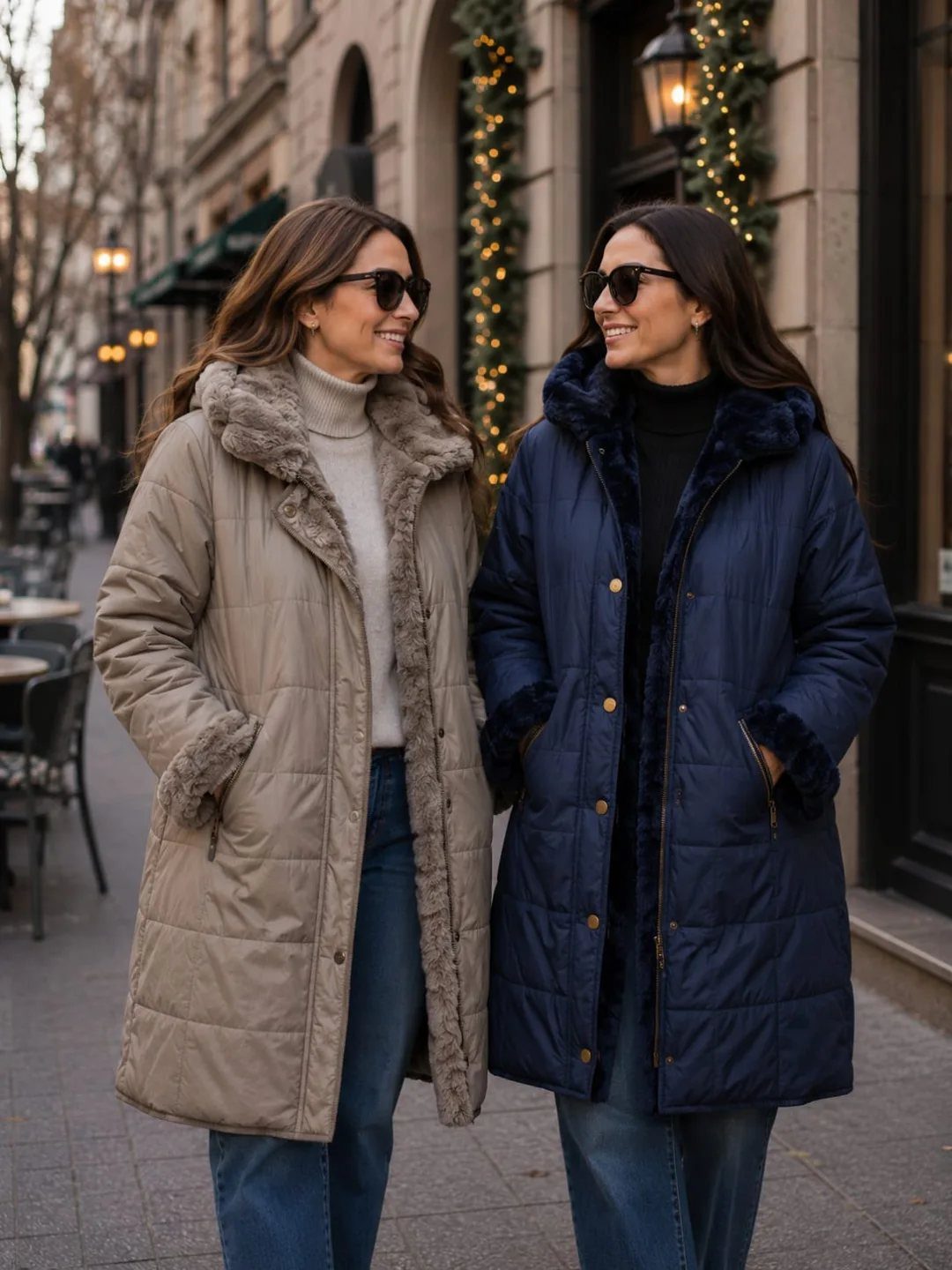
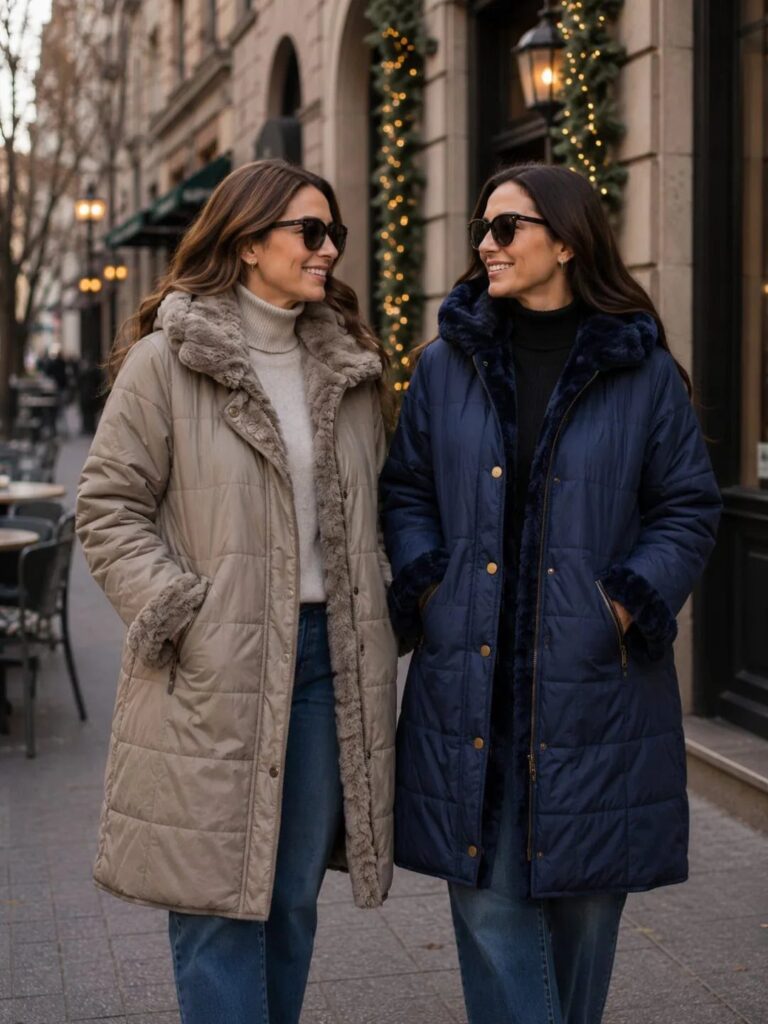
A long quilted coat in beige or navy covers the most ground for the least effort, since the length keeps your thighs warm and the color goes with nearly everything.
A faux-fur lining adds softness at the collar, which I like more than a bare quilted neckline.
Pick a neutral shade if this is your only winter coat. Beige shows dirt faster, so navy is my pick for daily wear.
2. Scarf
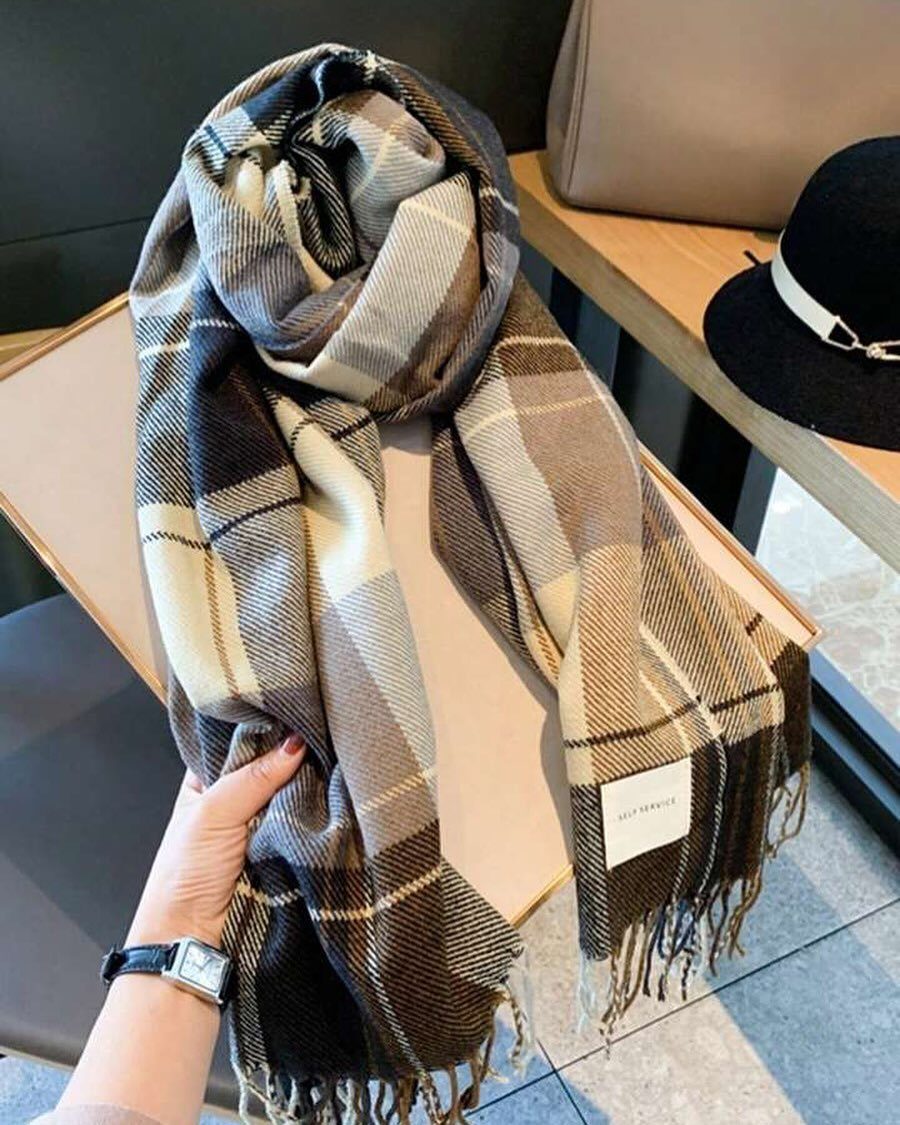
Plaid in brown and beige is a quieter choice than bright tartan, and it works with black, camel, and denim without competing. Fringed edges give the scarf a relaxed, slightly worn look.
Fold it once and loop it loosely under a coat collar.
Keep the rest of the outfit solid so the pattern is the only detail. Because a scarf costs far less than a coat, it is the easiest place to buy something better made.
3. Leather Trench
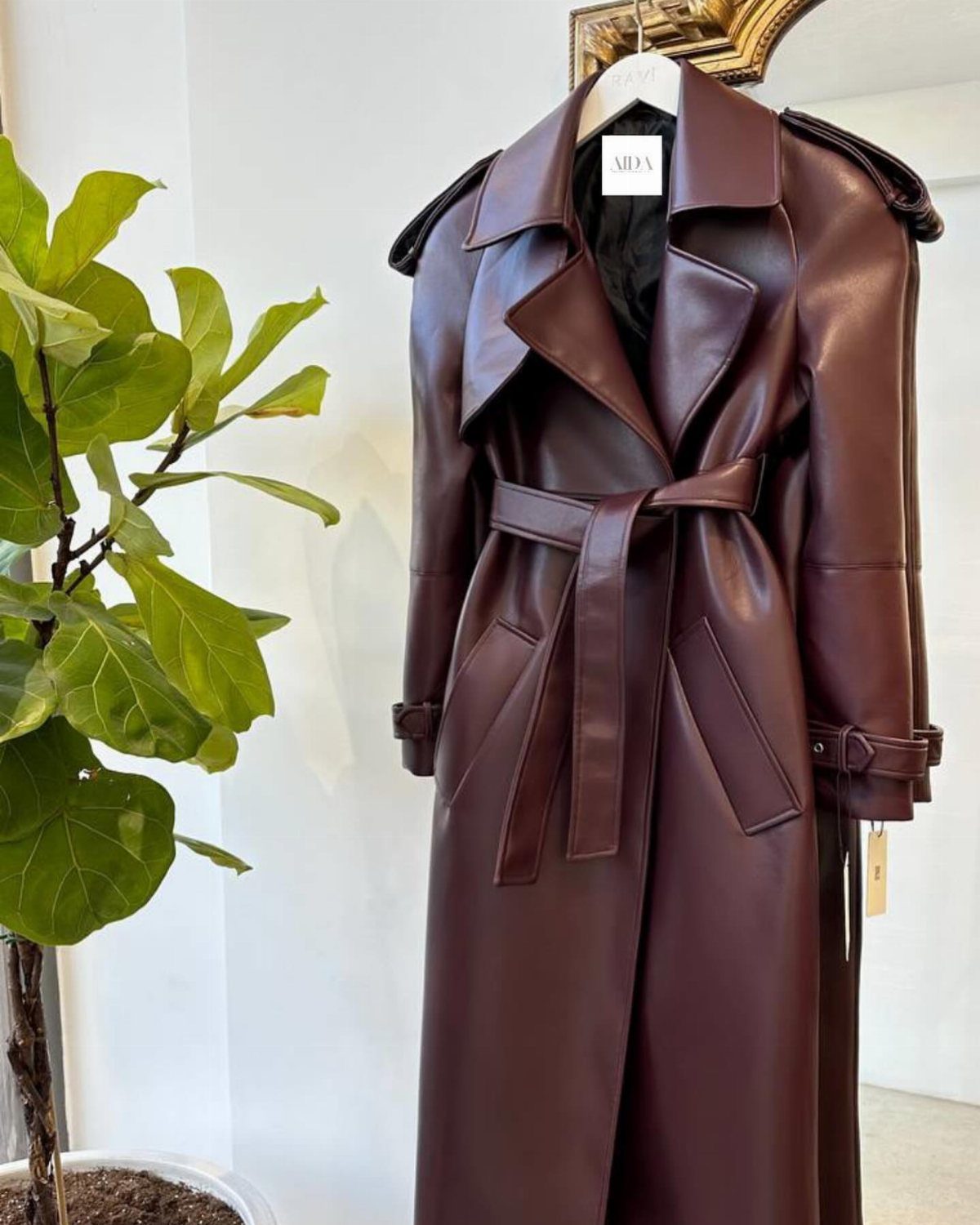
Burgundy softens leather in a way black rarely does. A belted leather trench in a deep shade like chocolate or oxblood looks deliberate over straight-leg jeans, and the belt gives a dark dress a defined waist.
Cinch the belt for shape, or leave it tied loosely behind for a straighter line. Leather blocks wind well but is not insulating, so I would layer a thin knit underneath instead of counting on the coat for warmth.
4. Wool Coat
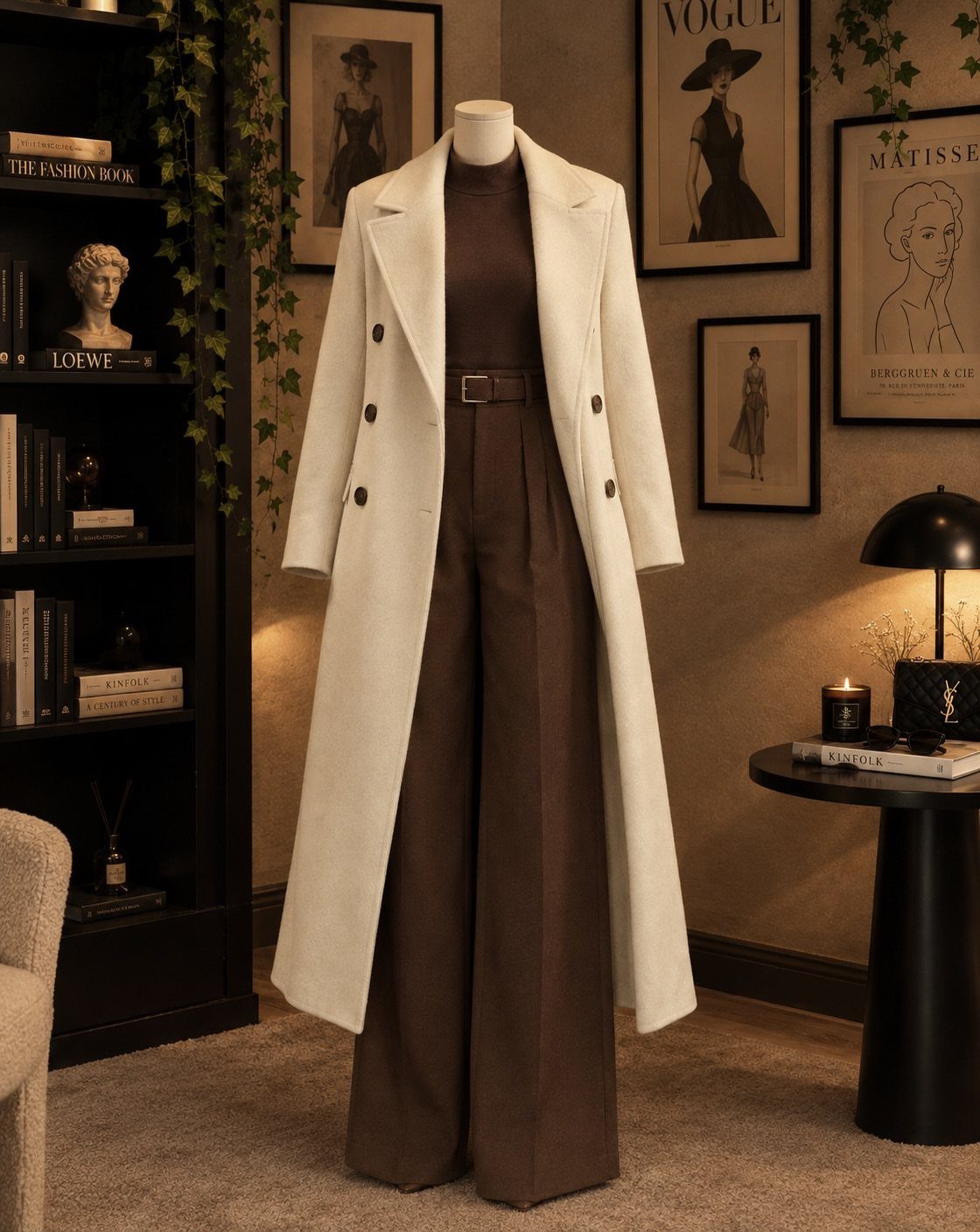
A white wool coat over a brown turtleneck and wide-leg trousers works because every piece stays in one warm color family, so the look reads soft instead of stark.
The coat supplies structure, and the knit underneath keeps the outfit from feeling stiff.
Wool in a light shade needs care, so a brush and occasional dry cleaning matter.
If that sounds like too much upkeep, camel gives you the same polish with less worry. Choose a cut that fits over a sweater.
Getting dressed during the most frigid days might seem like a challenge after a week and change spent at home relaxing in loungewear; the solution lies in thoughtful layering—adding rich textures and opting for versatile outerwear that will instantly make you feel put together.
— Vogue
5. Knee-High Boots
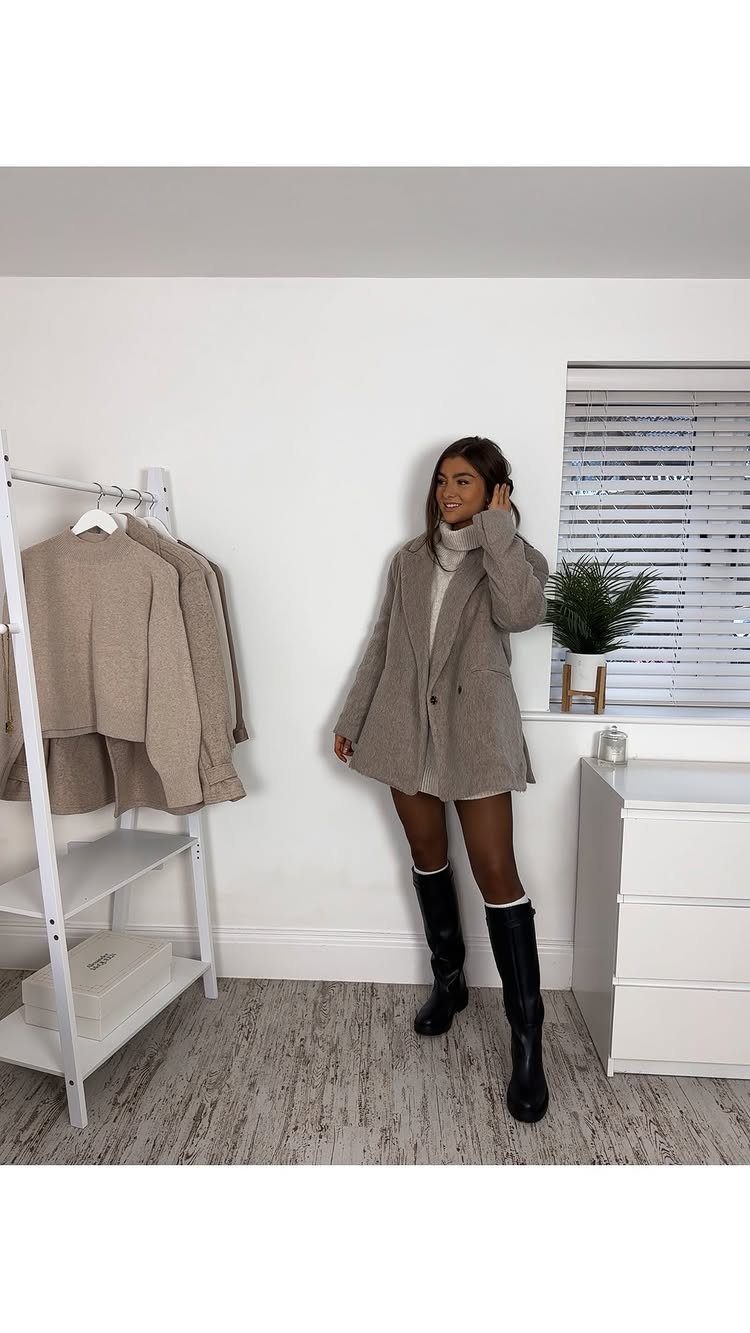
Black leather knee-highs under a beige coat make a clean, long line, and a white turtleneck keeps the top half bright. Boots that reach the knee also cover the gap that tights or bare ankles leave in cold weather.
Check the calf fit before you buy, because that is where most pairs go wrong online.
Wear them under a coat that hits at or below the knee, so the boot shaft peeks out without a tight crush against the hem.
6. Chunky Knit Sweater
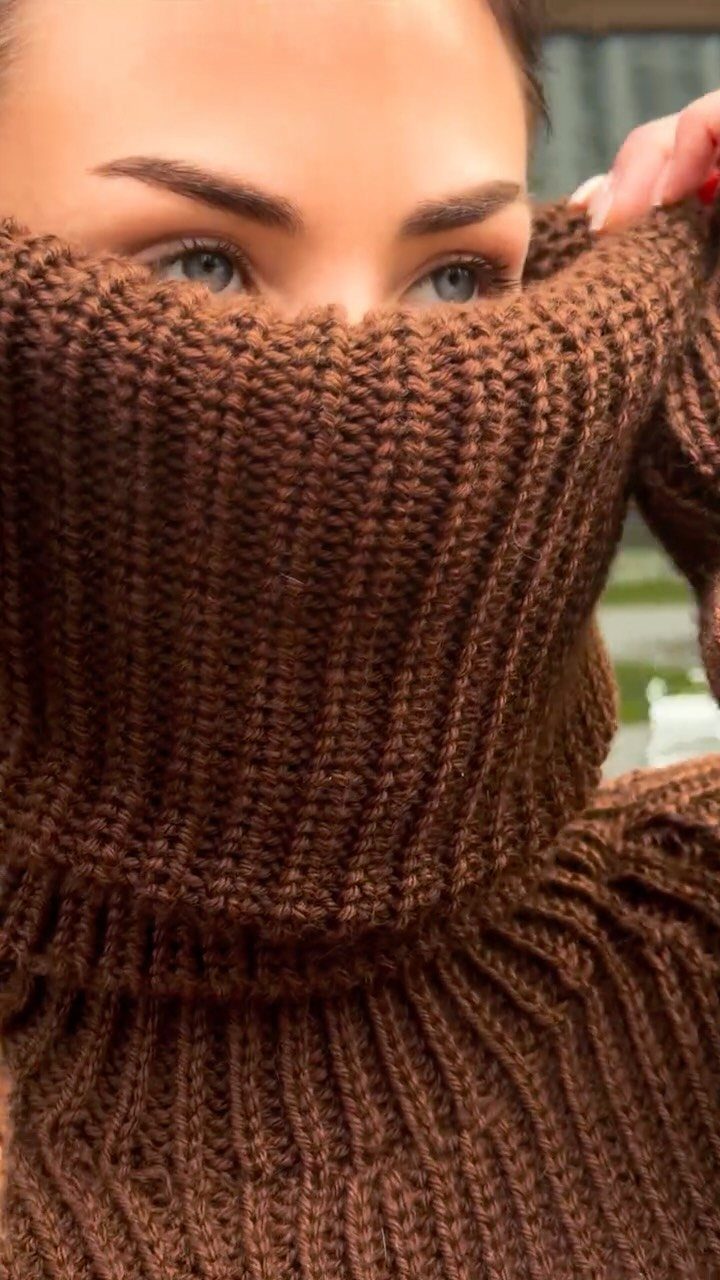
A brown chunky knit with a high, oversized collar works like a built-in scarf, so you can often skip one. The thick stitch holds heat, and the brown reads softer than black or gray.
Wear it under a coat with a wider neckline so the collar does not bunch. Chunky knits take up space, so slim bottoms such as skinny jeans or leggings balance the volume better than another bulky layer.
7. Duster Coat

A long beige duster hangs past the knee, so it covers more of the body than any other coat here and still moves lightly.
Over a white top and dark pants, the single light color reads clean and a little dramatic.
The creator says 4 people stopped her in an airport to ask where she found it, which fits what I see: the length draws attention without any extra detail.
Check sleeve length and shoulder fit before buying, since a duster is cut loose. Keep the layers underneath slim so the coat can do the talking.
8. Cable Knit Sweater
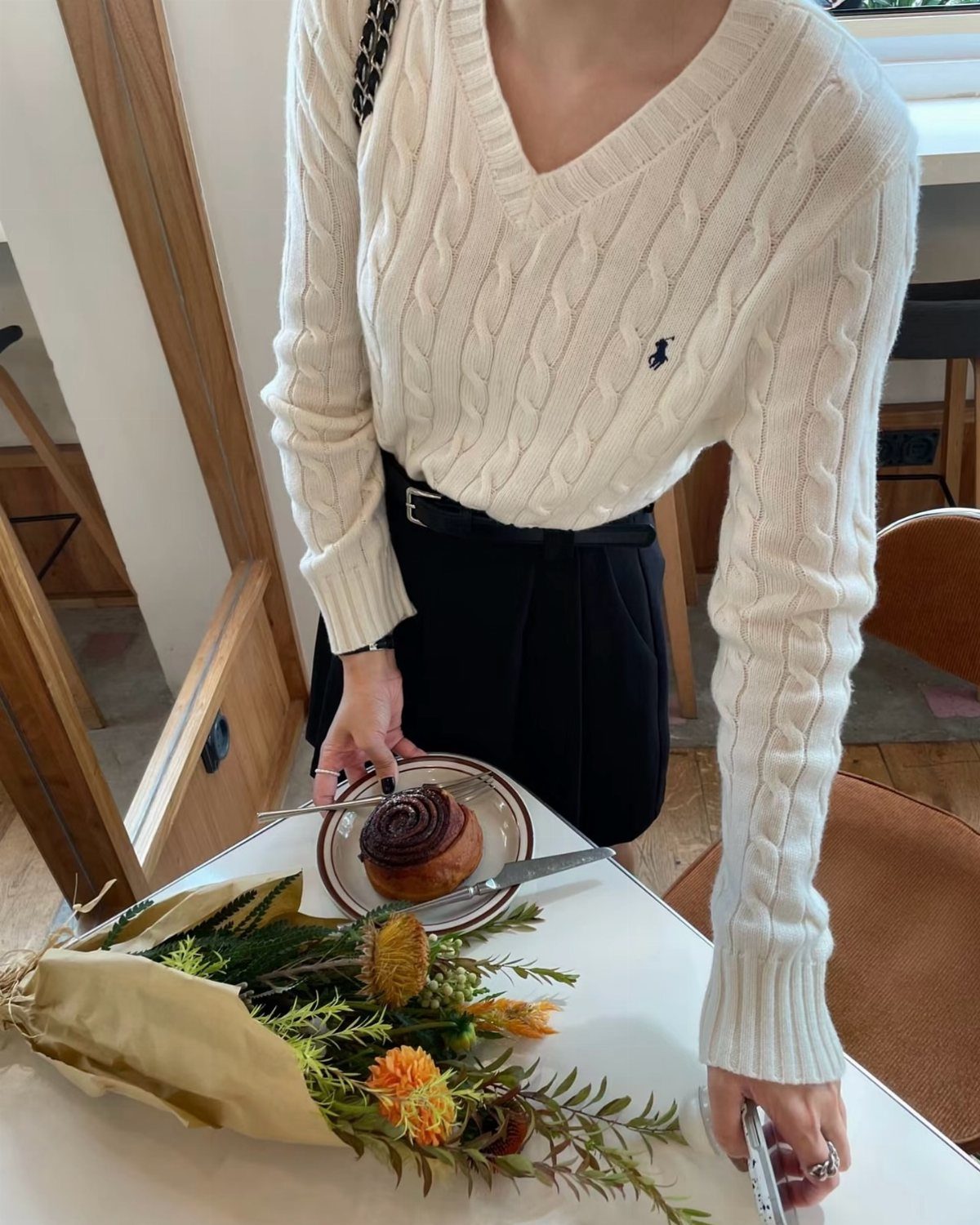
White cable knit with a V-neck is a plain, dependable shape, and the raised twists give the knit texture without any added pattern. Over a black skirt it looks tidy enough for a cafe afternoon.
A V-neck leaves room for a collar or a thin necklace underneath. I would pick this when I want warmth that still looks neat, and I would keep the bottom half dark so the sweater stays the focus.
9. Dark-Wash Jeans
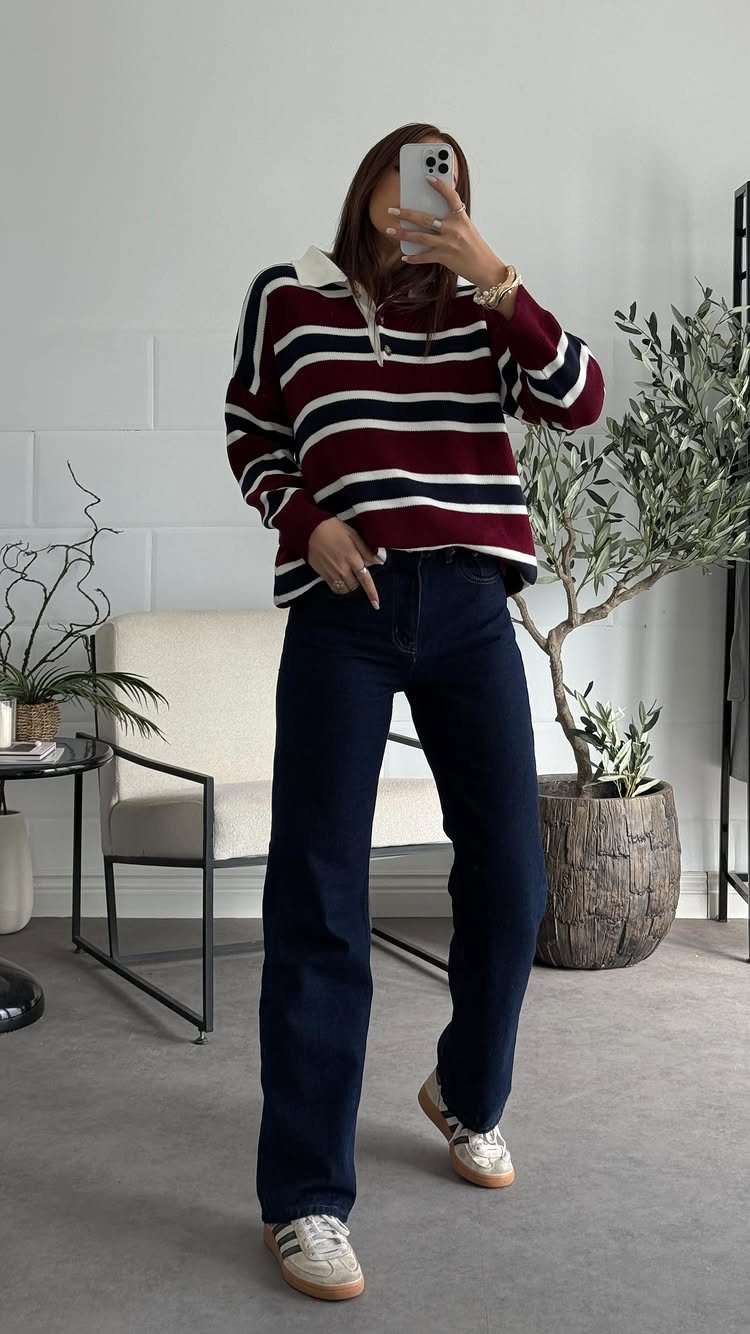
Dark-wash jeans are the piece I would buy before any other winter bottom, because the deep indigo dresses up easily and hides wear.
Wide-leg cuts like these balance a fitted top, and a striped rugby shirt gives the outfit a casual shape.
Choose a pair you already like wearing, since that is the pair you will reach for most. Keep the hem long enough to just skim your shoes.
10. Fair Isle Sweater
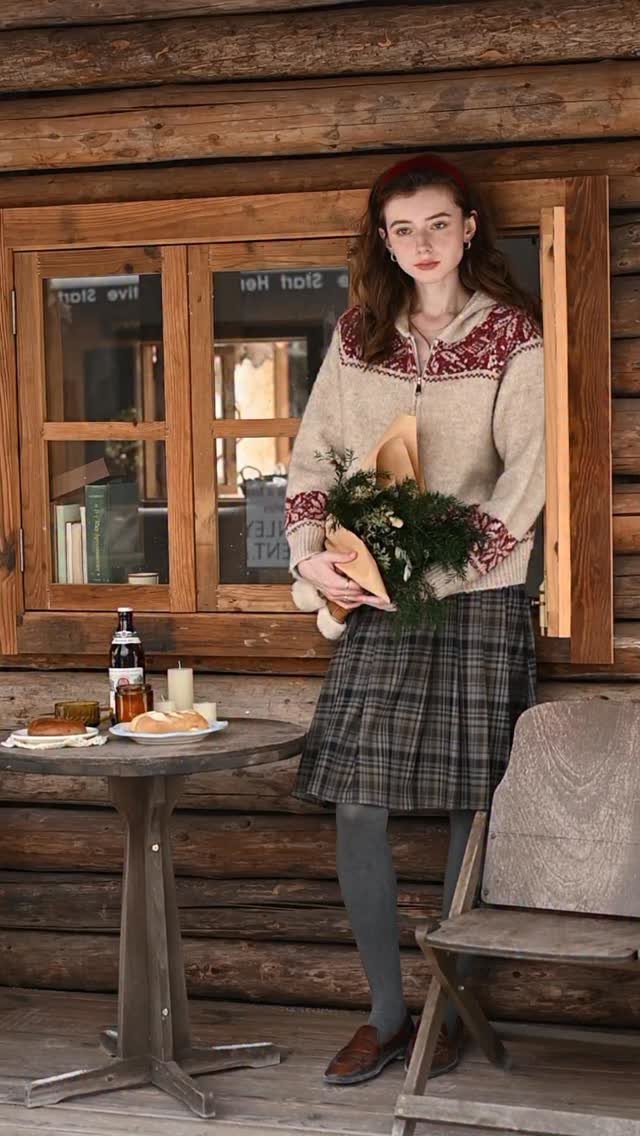
Beige with red accents keeps a Fair Isle sweater festive without looking like a costume. The patterned yoke and borders do the decorating, so the rest of the outfit can stay quiet.
A plaid skirt with tights suits holiday gatherings, though for daytime errands I would swap in jeans. Pattern on pattern is a risk, so let one of the two stay muted in color.
11. Puffer Jacket
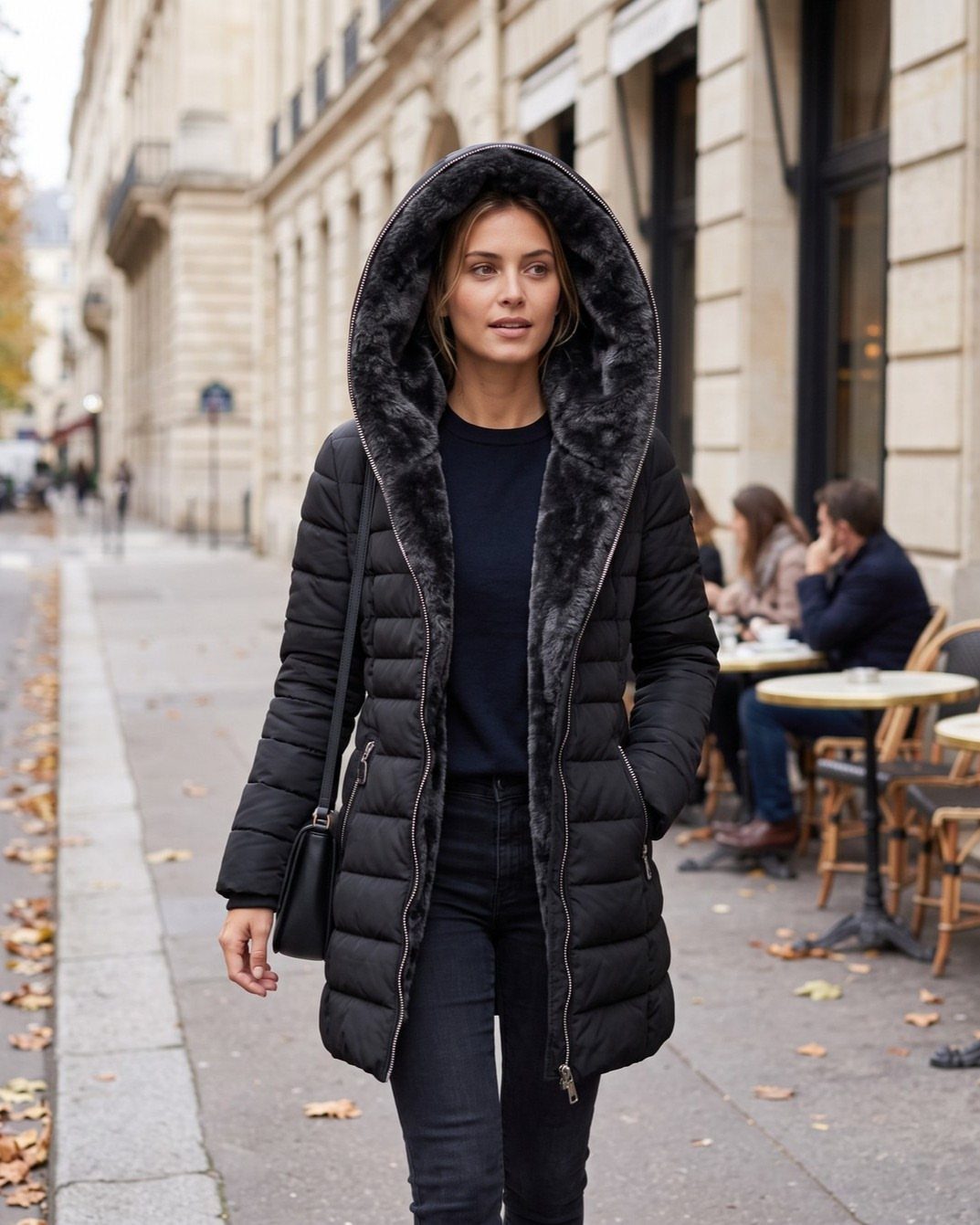
A black puffer with a fur-lined hood is the practical pick for city walking, because the hood covers your head and neck without a separate scarf.
Quilted channels keep the look neat and the dark color goes with jeans and any top.
The fur trim is the part to inspect: a removable one is easier to keep clean. Black hides dirt, which suits daily wear.
12. Poncho
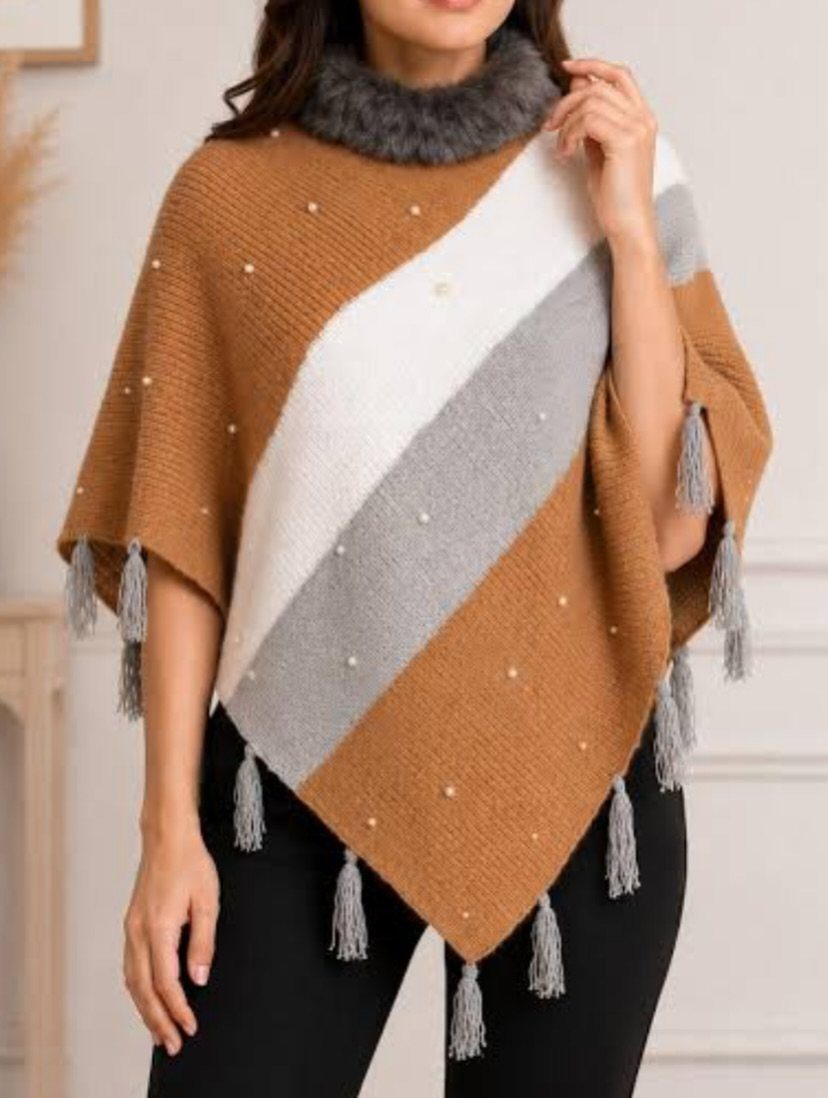
A striped knit poncho in brown, white, and gray gives you an outer layer with no sleeves to fight, so it slips on over a top in seconds.
The faux-fur collar adds warmth at the neck, and tassels give the hem some movement.
Black leggings keep the shape clean under all that fabric. I would skip bulky sweaters beneath it, since the poncho already brings volume.
13. Cardigan
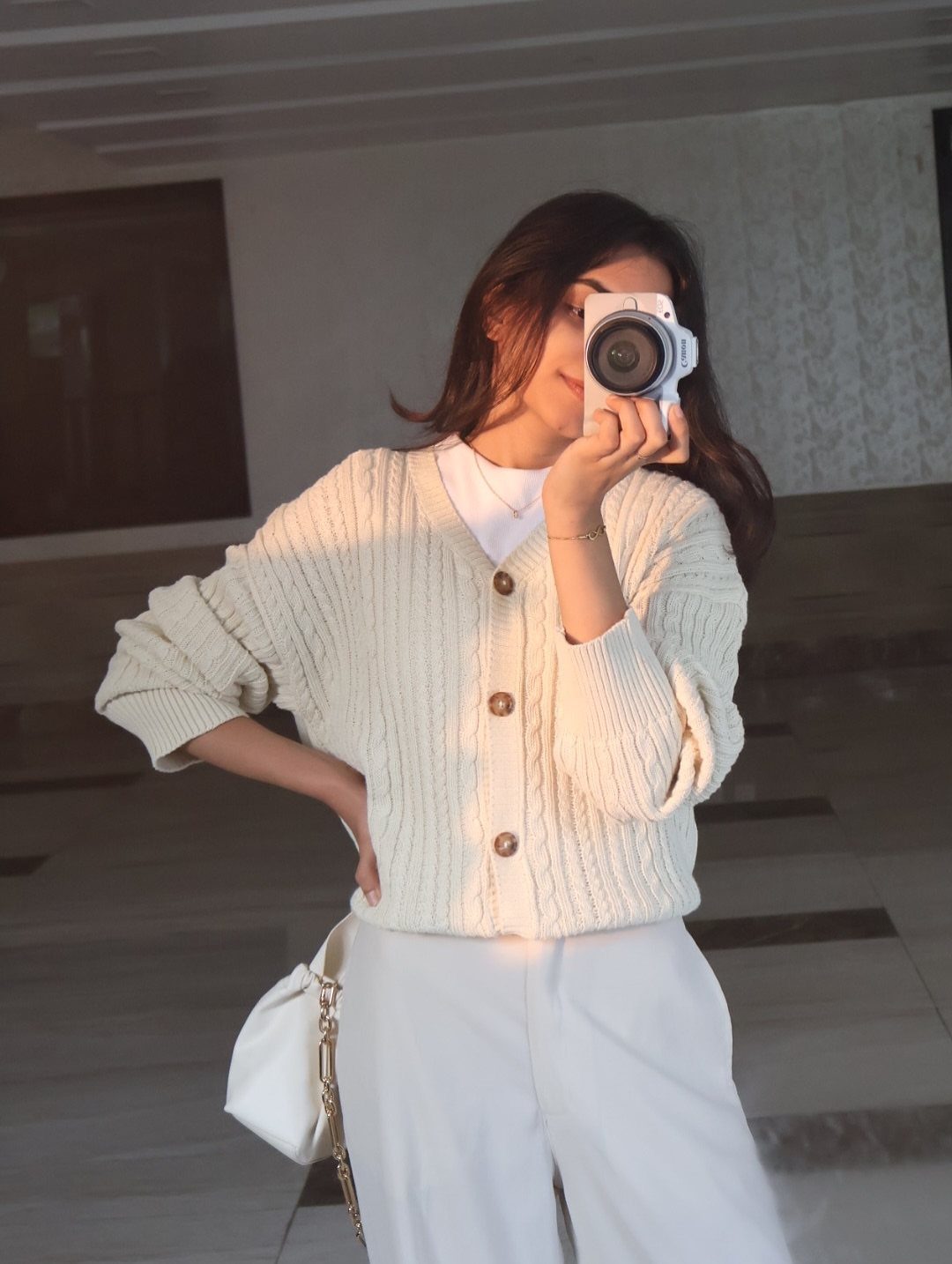
Cream cable knit over a white top and white trousers keeps the whole outfit in one soft color range, and the raised twists add texture so the look never goes flat.
A cardigan suits changing temperatures because it comes off in a second when a room runs warm.
A cardigan buttoned only at the middle 2–3 buttons nips in at the waist, while one worn open drops straight down and stretches the whole line of the outfit.
A thin tee or fine-gauge knit underneath keeps the cardigan from bunching at the arms and across the stomach. Cream shows marks, so I would pick it for indoor days and choose a darker shade for commuting.
Layering Techniques
A V-neck sweater is the easiest layer to build on, because the opening frames whatever sits underneath.
A white tee peeking out gives the outfit a bright line and some depth, and the V also opens up the chest, which makes the top half look longer.
Order matters: tee first, sweater second, coat last. Each layer should be slightly shorter or narrower than the one over it, so the edges show instead of bunching.
For a casual coffee-date look, I like pleated pants with sneakers. The pairing is unexpected, but it works because the pleats add polish and the sneakers keep it relaxed.
Finish with a leather tote and silver hoops. A wool wrap coat on top keeps the whole stack warm without adding bulk at the waist.
Accessorizing
A scarf doesn’t have to sit around your neck. A headwrap covers the ears, which helps if cold air gives you ear pain, and it looks polished and quiet.
Let the accessories do the talking by dressing everything else down: a black coat, a cashmere sweater, wide-leg trousers tucked into pointed-toe boots, then a black tote and flat-top sunglasses to finish.
A triangle wool scarf is the warmer, practical option.
Wear it tied in front over a sweater, or draped over a coat. Neutrals blend in, while a bright color adds a pop against a dark coat.
If you love silk, it’s lovely, but wool does the real work in cold weather. I would choose wool for daily wear and save silk for mild days.
Color Coordination
Color is easiest to add in small doses. Start with the basics you already own, then bring in one bright piece, such as a red scarf or a red layer under a neutral coat.
Because the basics stay quiet, a single pop of red reads as intentional rather than loud. Limit it to one or two spots so the eye has somewhere to land.
Rewearing what you own is often the better move than buying new. Pieces you know fit well get more use, and a fresh accessory in a new color can make an old outfit feel different.
Frequently Asked Questions
What are some good outfit ideas for winter?
Layering is the easiest approach: a thin tee under a V-neck sweater, then a coat on top, with each layer a little shorter or narrower than the one over it.
A long quilted coat in navy over dark-wash wide-leg jeans also works, and so does a cream cardigan over a white top and trousers.
Keeping the basics quiet and adding one bright piece, like a red scarf, makes the outfit look intentional.
What are items of clothing?
Items of clothing are the individual pieces you wear, such as coats, sweaters, cardigans, jeans, skirts, scarves and boots.
For winter, the most useful ones are a coat in a neutral shade, a few knits like cable or chunky sweaters, dark-wash jeans and knee-high boots. Wool and other warm fabrics do more in cold weather than silk.
What makes a woman look wealthy?
Quiet, well-chosen pieces do more than loud ones: a single color family, good fit and a neat finish. Spending more on the pieces that last, like a coat or a scarf made well, helps the look hold up.