Short natural hair runs from a buzz cut that needs only clipper touch-ups to starter locs, a set of Bantu knots, or a braided updo that takes extra pins.
Which one fits depends on how much daily time you will give it, because the low-effort cuts trade styling for trims every 6–8 weeks, while the twist outs, Bantu knots and finger waves ask for hands-on work and a silk scarf at night.
Curls can also shrink by 2–3 inches as they dry, so length is worth deciding while the hair is dry.
1. Finger Waves
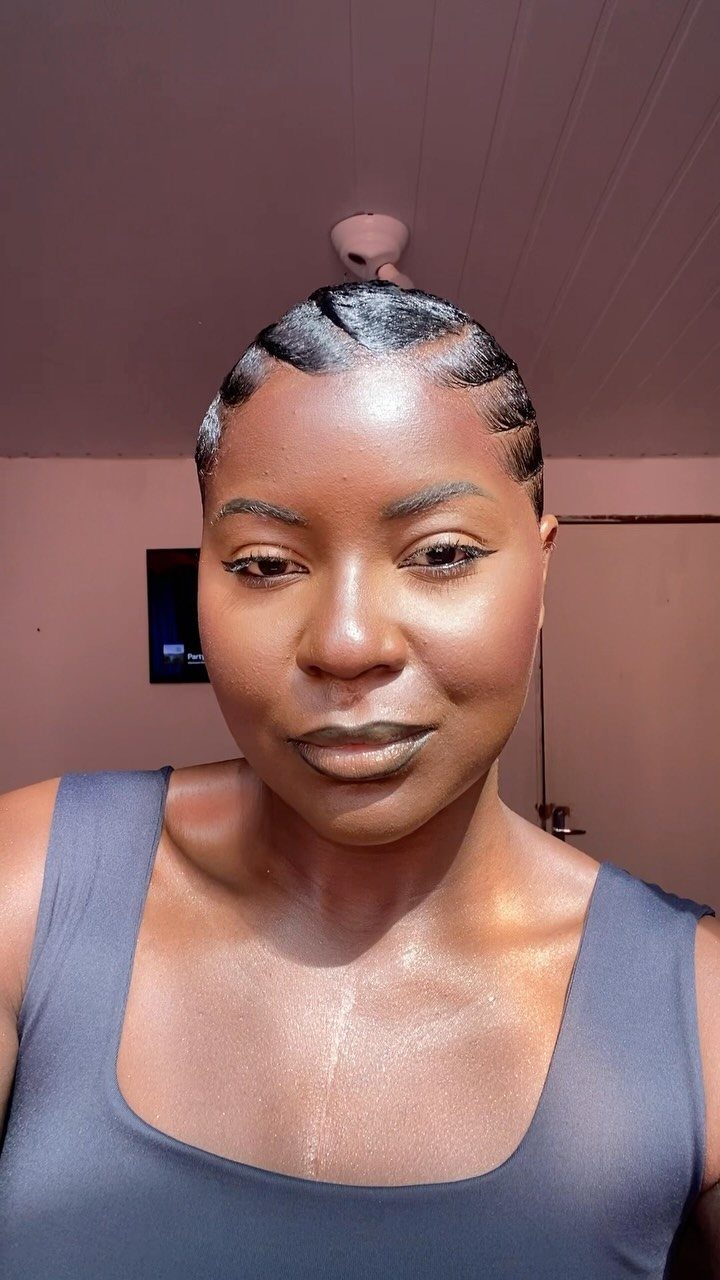
Finger waves are sculpted, glossy S-shaped ridges that sit flat against the head, and on short hair they read as pure polish. The look depends on definition, so each wave needs a clear crest and a smooth dip between.
I like them best for an evening or a formal event, since a tank top and a bold earring are enough to finish the outfit. They suit short hair well because the pattern shows from every angle.
Expect to keep them neat: a silk scarf at night protects the shape.
2. Curly Bob
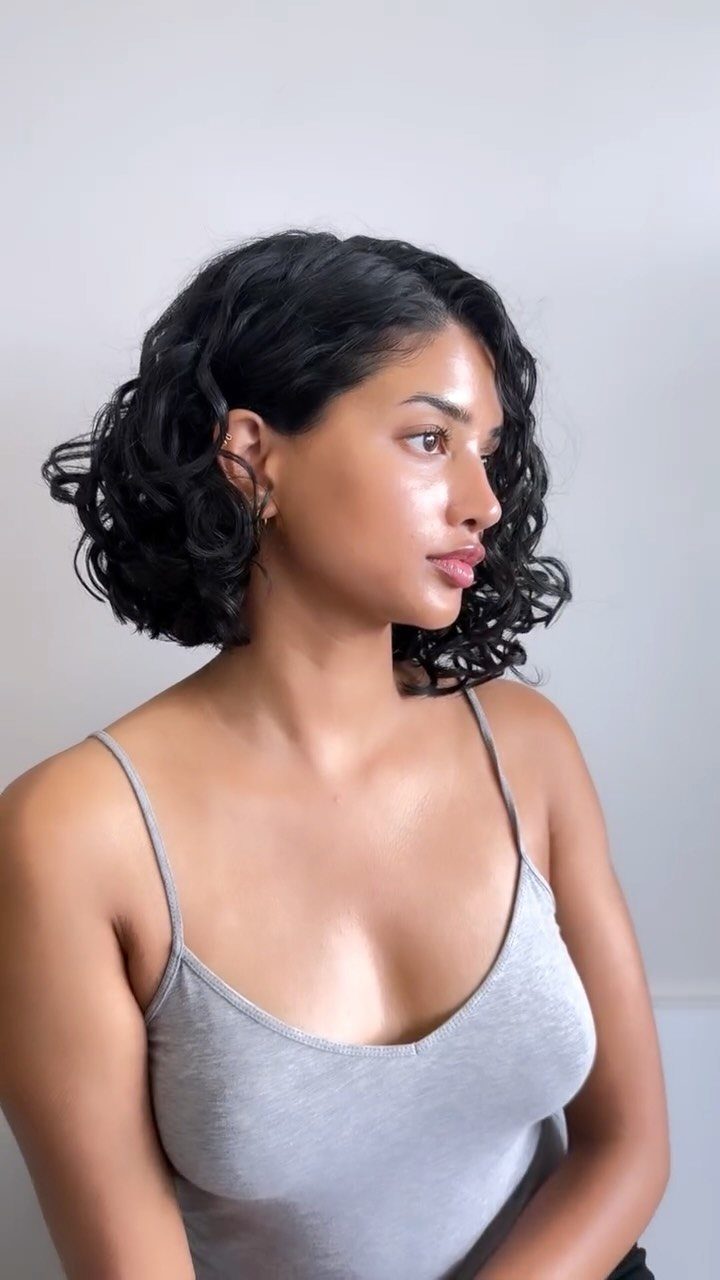
A short curly bob frames the face and keeps the curl pattern as the star. Because the shape is cut and the texture stays natural, the style works with a camisole for dinner or a plain tee for errands.
My preference is to let the curls dry with a light cream rather than brushing them out, which keeps the bob rounded instead of puffy. A shaper who cuts curly hair dry will give you a more accurate length.
Curls shrink as they dry, sometimes by 2–3 inches on tight coils, so ask your stylist for a bit more length than you want in the end.
3. Tapered Cut
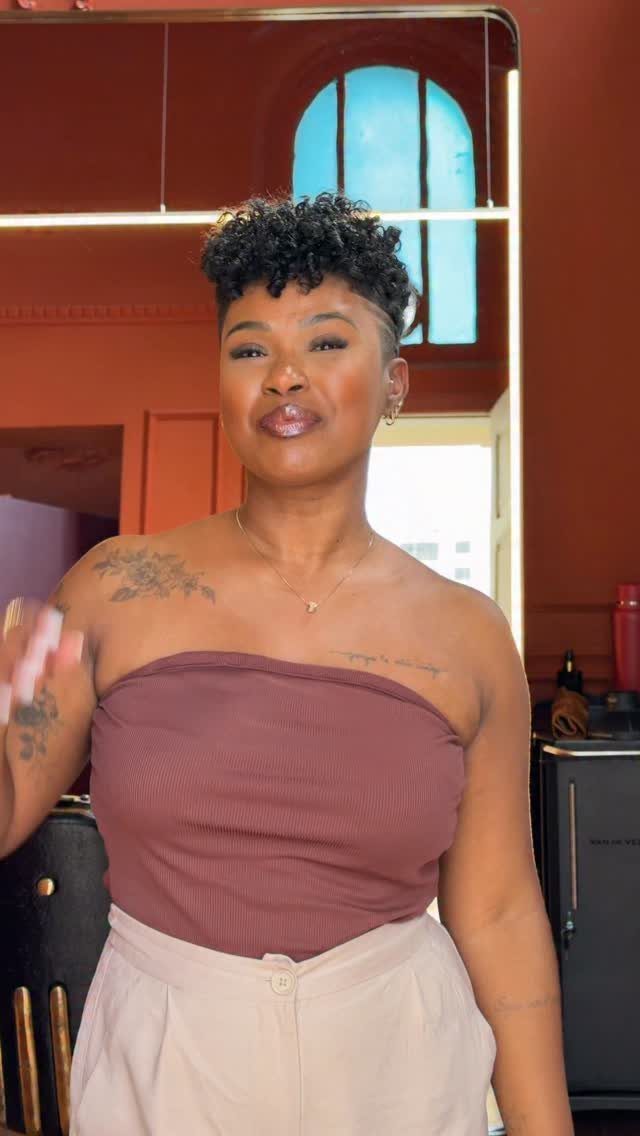
Shorter at the nape and fuller on top: that gradual taper is what makes this cut look tidy without losing the curl. The curly crown does the talking, and the clean back keeps it from feeling messy.
For a 30-something who wants low effort and a polished profile, a tapered cut is one of the most practical choices for short natural hair. Strapless tops and open necklines show off the taper best.
Book a trim often, since the clean nape grows out fast.
4. Frohawk
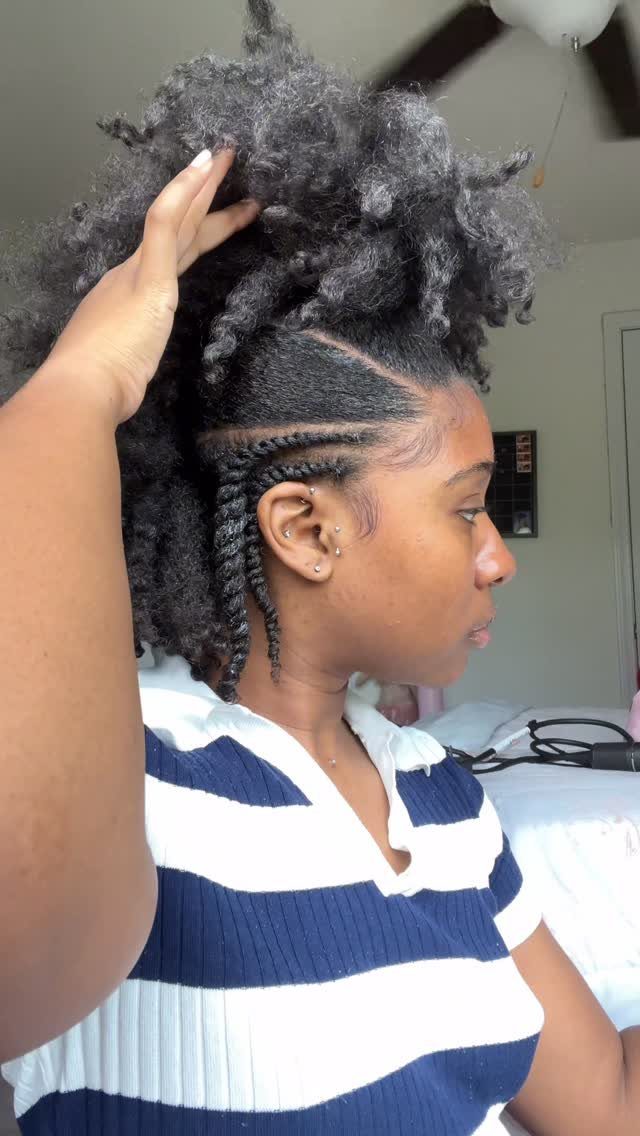
Braided sides with a tall curly center give the frohawk its edge, and the contrast between tight braids and loose curls is the whole appeal. It works for casual days, but it also holds up at a party.
Keep the braids neat and the top fluffed with a pick, lifting from the roots. Moisturize the curls so they stay springy rather than dry.
If a full mohawk feels like too much, start with narrower braided sections and a smaller crown.
5. Braided Updo
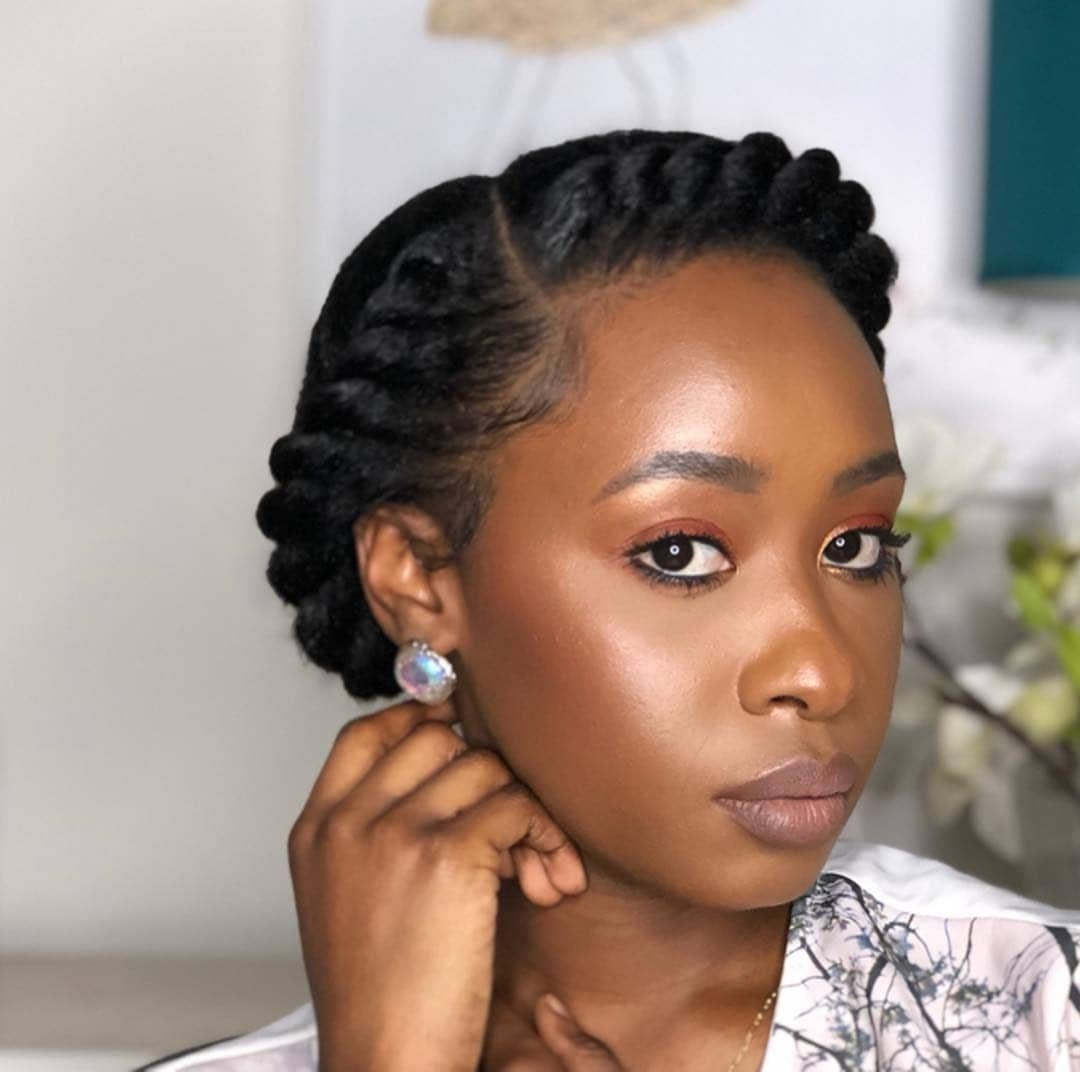
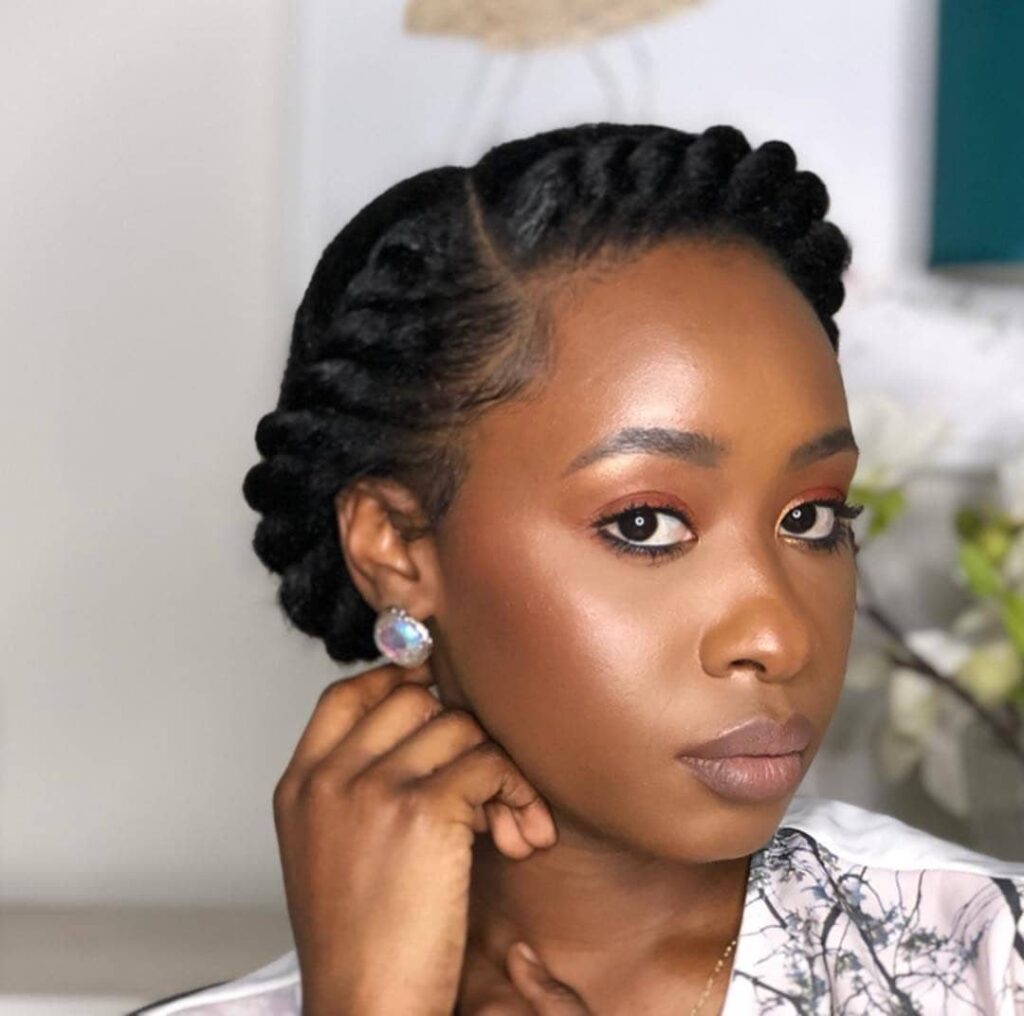
Short natural hair can still be pinned up, and a braided updo proves it. Braids gathered on top make a playful shape that suits a robe-and-earring kind of getting-ready moment as well as a wedding.
I would choose it when you want your neckline and earrings on display. Braid sections first, then pin them upward and secure with small pins that match your hair.
Short lengths may need extra pins to stay in place.
Here, 10 photos that prove how striking short natural hairstyles look and the countless ways you can wear them.
6. Curly Fro
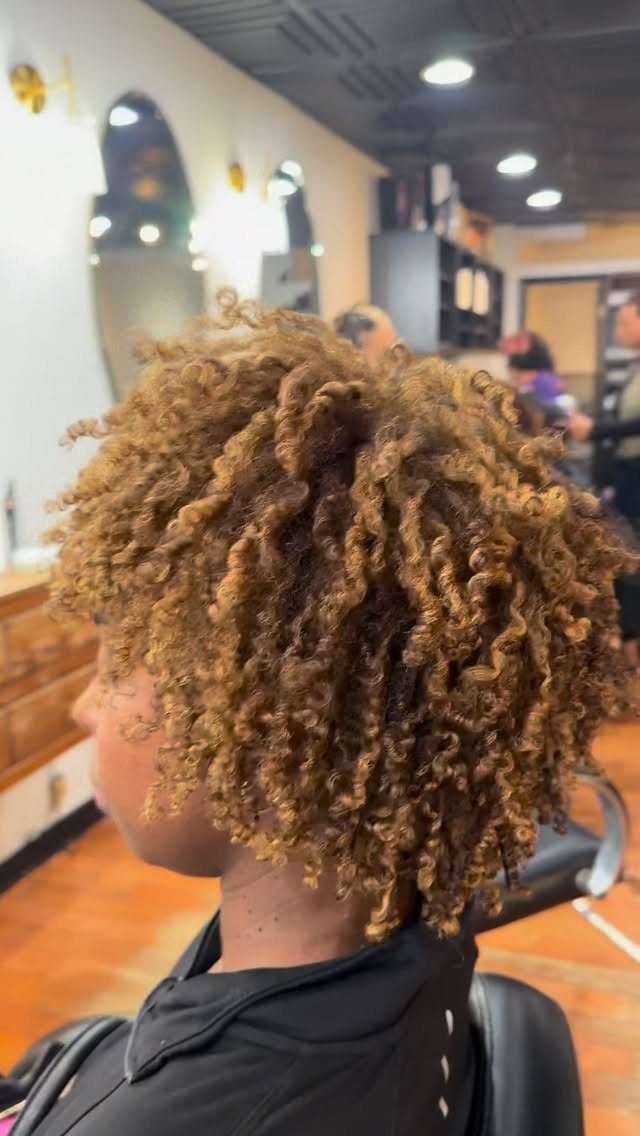
A curly fro lets the natural curl pattern set the shape, so there is little to do except keep it healthy and well defined. Honey-brown or deep black, the volume looks best when the curls are moisturized and evenly rounded.
Shape it with a pick at the roots, then leave the ends alone. I like it for anyone who wants a style that needs no heat and little daily fuss.
A trim every so often keeps the outline even.
7. Twist Out
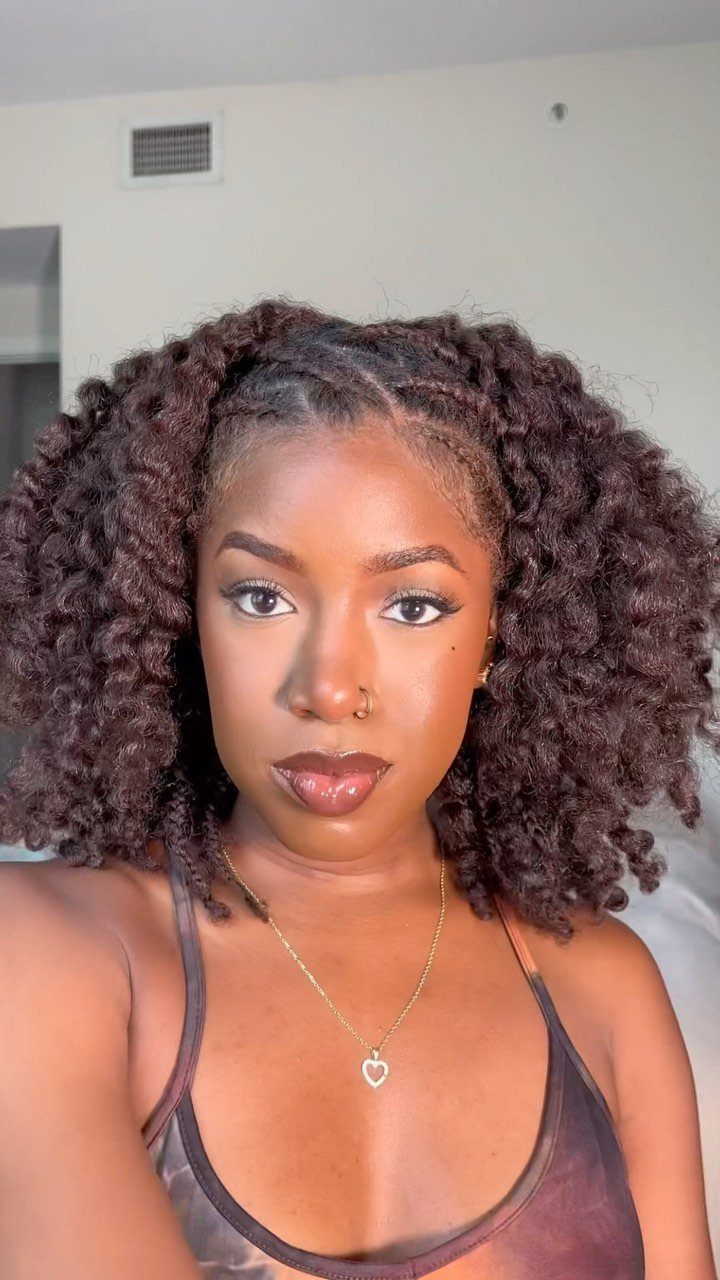
Twisted while damp and unraveled once dry, a twist out leaves defined, stretched curls with plenty of body. It is a simple style that lasts a couple of days.
Separate the twists gently once the hair is fully dry, and fluff with your fingers rather than a brush, which keeps the pattern intact. A heart pendant and a plain top let the hair do the talking.
Expect it to loosen by day two or three, so plan it before a busy stretch.
8. Pixie Cut
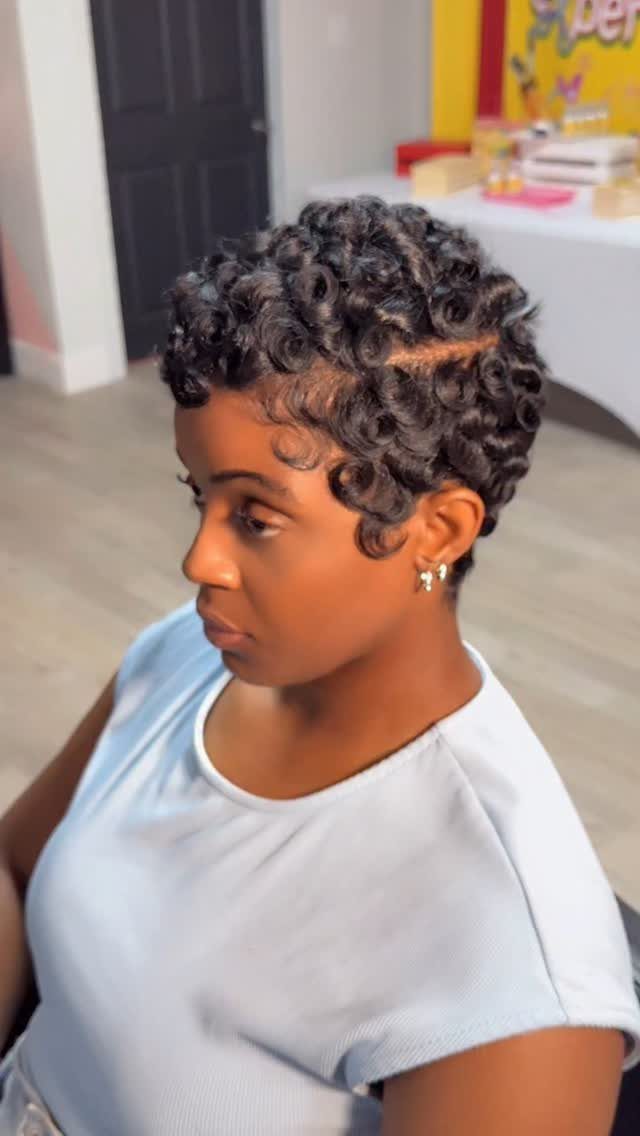
Short and curly, a pixie cut keeps the shape close to the head and lets the curl pattern fill in the top.
Few cuts are as versatile: I would wear it tousled with a plain tee for errands, or smoothed down with a dressier top for the evening.
Shaping it differently from day to day takes only a little product and your fingers.
The trade-off is upkeep. A cut this short loses its outline quickly, so plan regular trims.
9. Buzz Cut
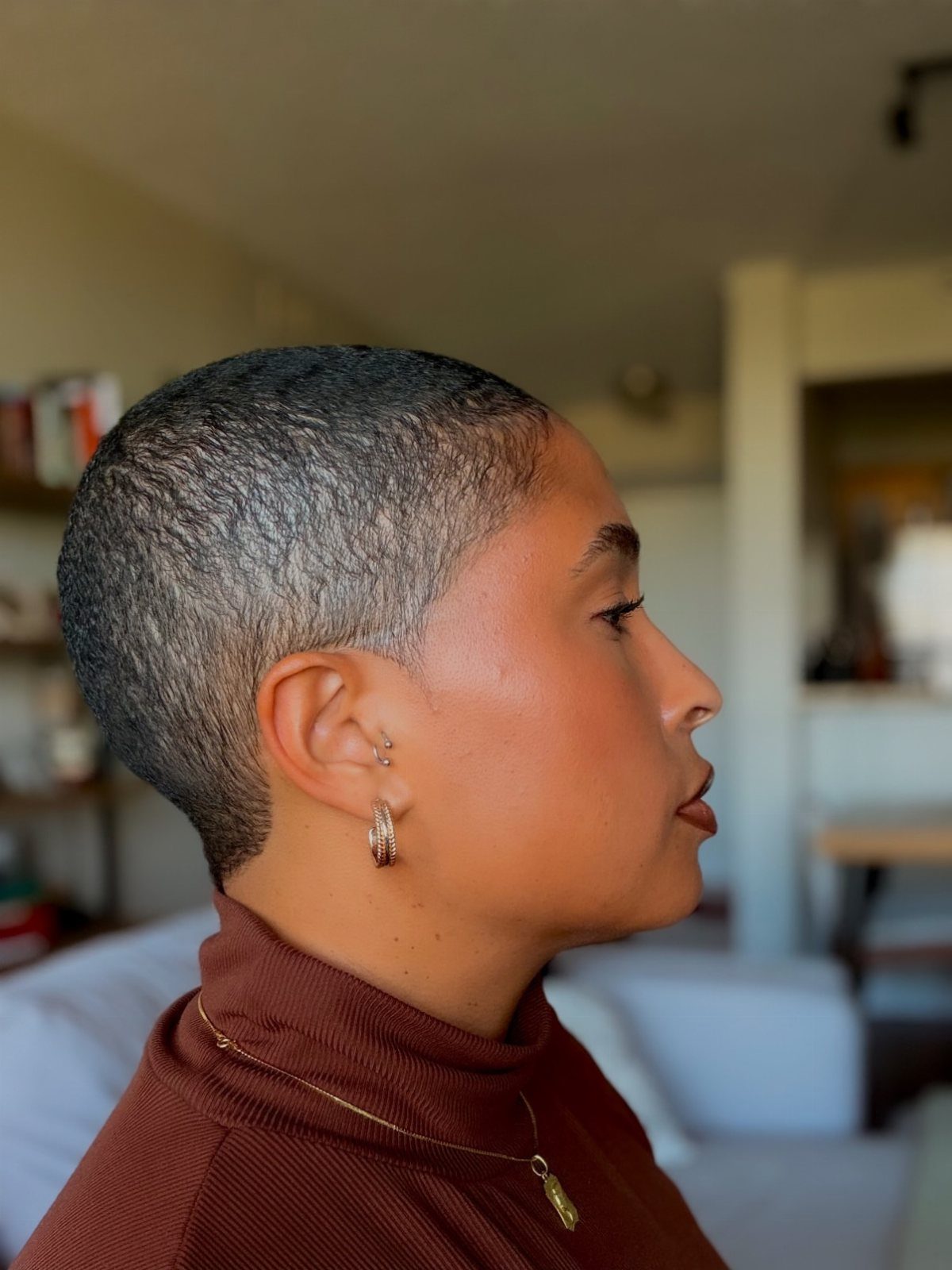
A buzz cut is about as low-maintenance as hair gets: no styling, no product, no morning routine. What it asks for instead is a good outfit and good accessories, since nothing else frames the face.
Gold earrings and a turtleneck are my pick, because they add warmth and detail without competing with the clean line of the scalp.
Keep the edges tidy with regular clipper touch-ups. Once the outline grows fuzzy, the whole look reads as unfinished.
10. Bantu Knots
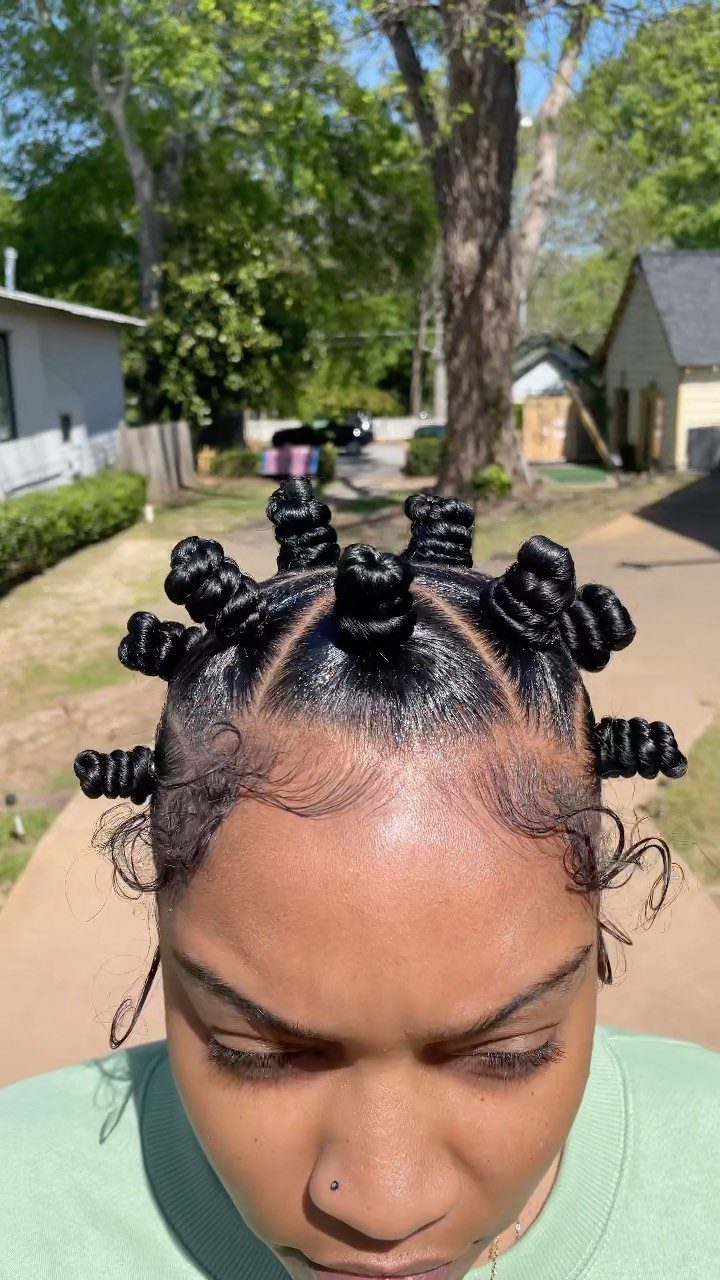
Small coiled knots sitting all over the head make Bantu knots one of the most adaptable styles here. They work for a casual afternoon outside, and they suit nearly any outfit.
I like wearing them as they are, since each knot is a finished shape on its own. Another option is to take them down later for a curly set, which gives you a second look from one install.
Parting the sections evenly is what keeps the pattern looking deliberate.
11. Slick Back
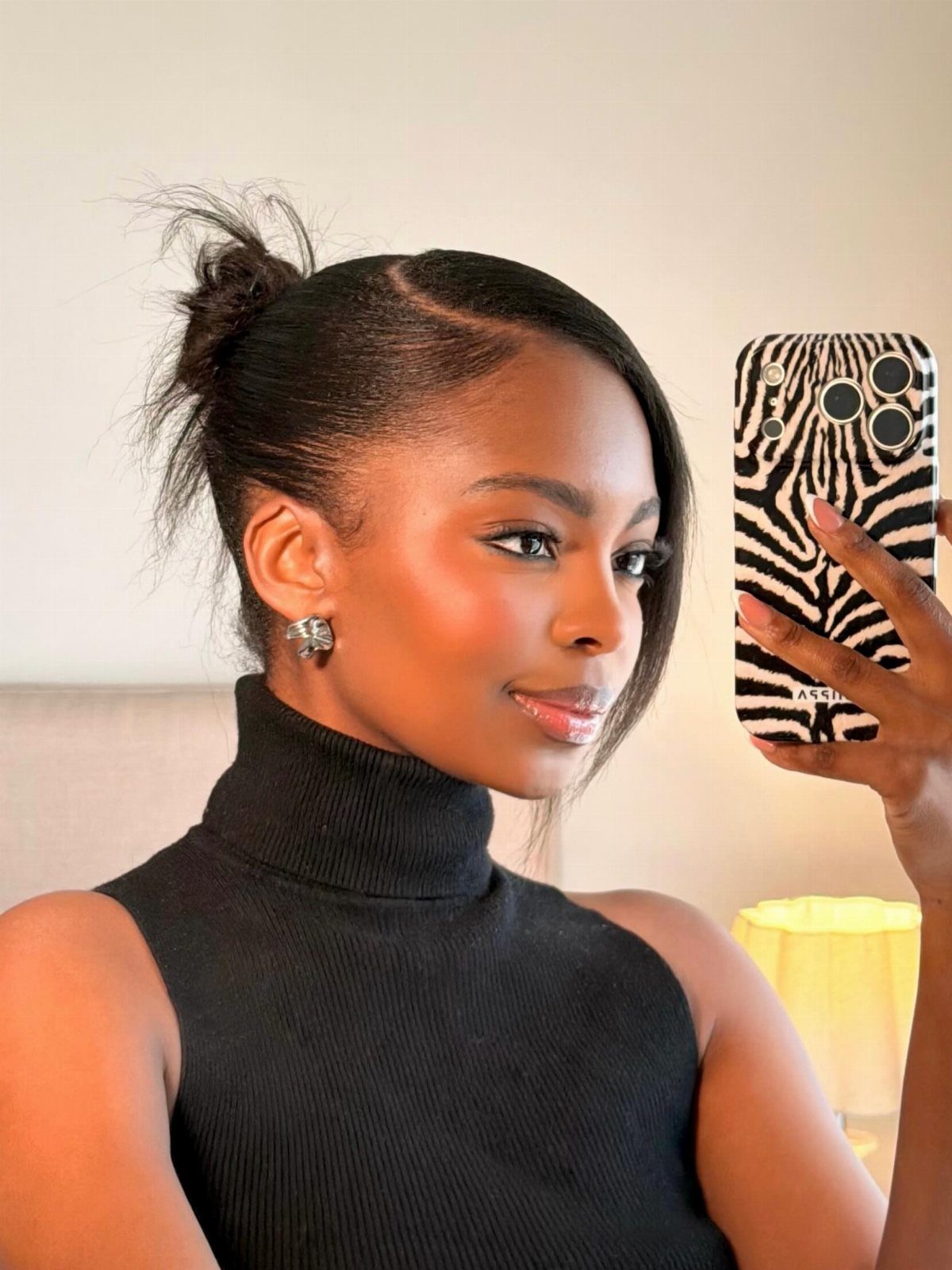
Hair pulled back smooth and tight, finished with a small bun, keeps everything off the face and puts the jawline and earrings in front. It is the most polished option for a work day.
A smoothing gel and a soft brush get the surface flat. Short hair may need a little extra patience to gather into the bun.
12. High Puff
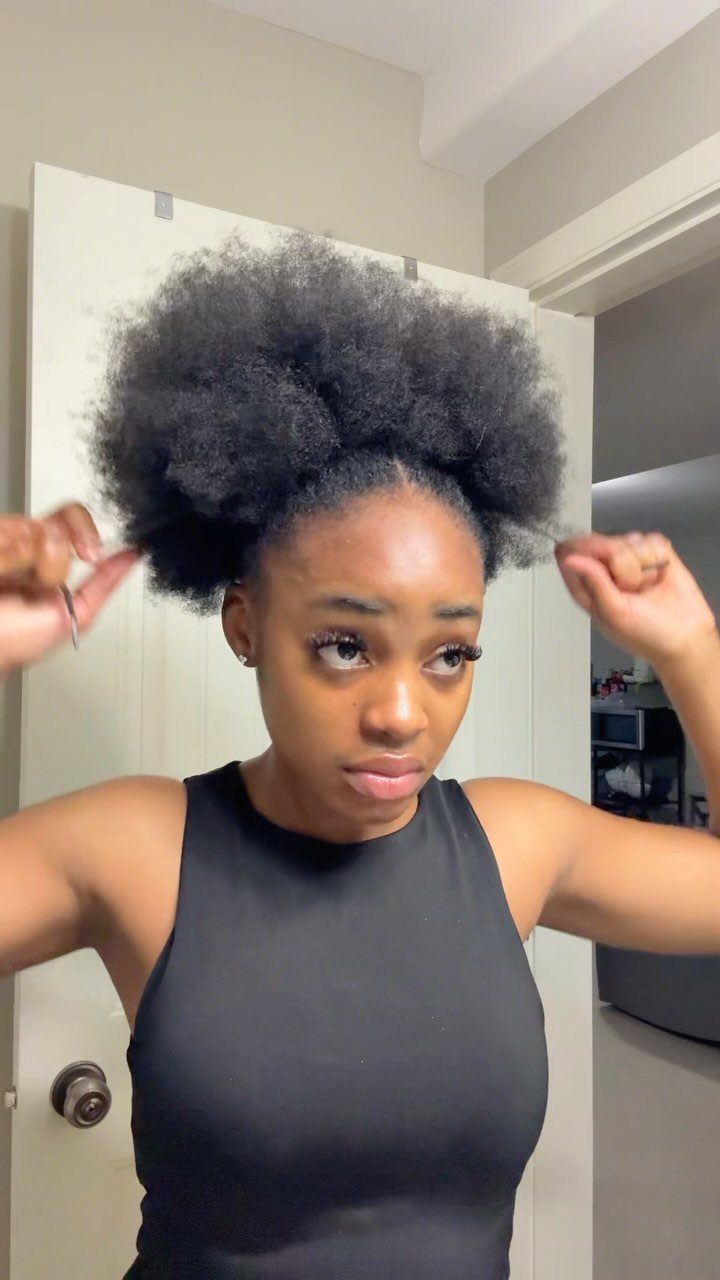
Short hair can still go up. A high puff gathers the hair at the crown and lets it spread into a full, rounded shape, which gives you height and volume in one move.
I would pair it with a sleeveless top, since the bare shoulders balance all that volume on top.
Use a soft band rather than a tight elastic so the puff stays round and the hairline is not pulled. Fluff gently with fingers or a pick afterward.
13. Starter Locs
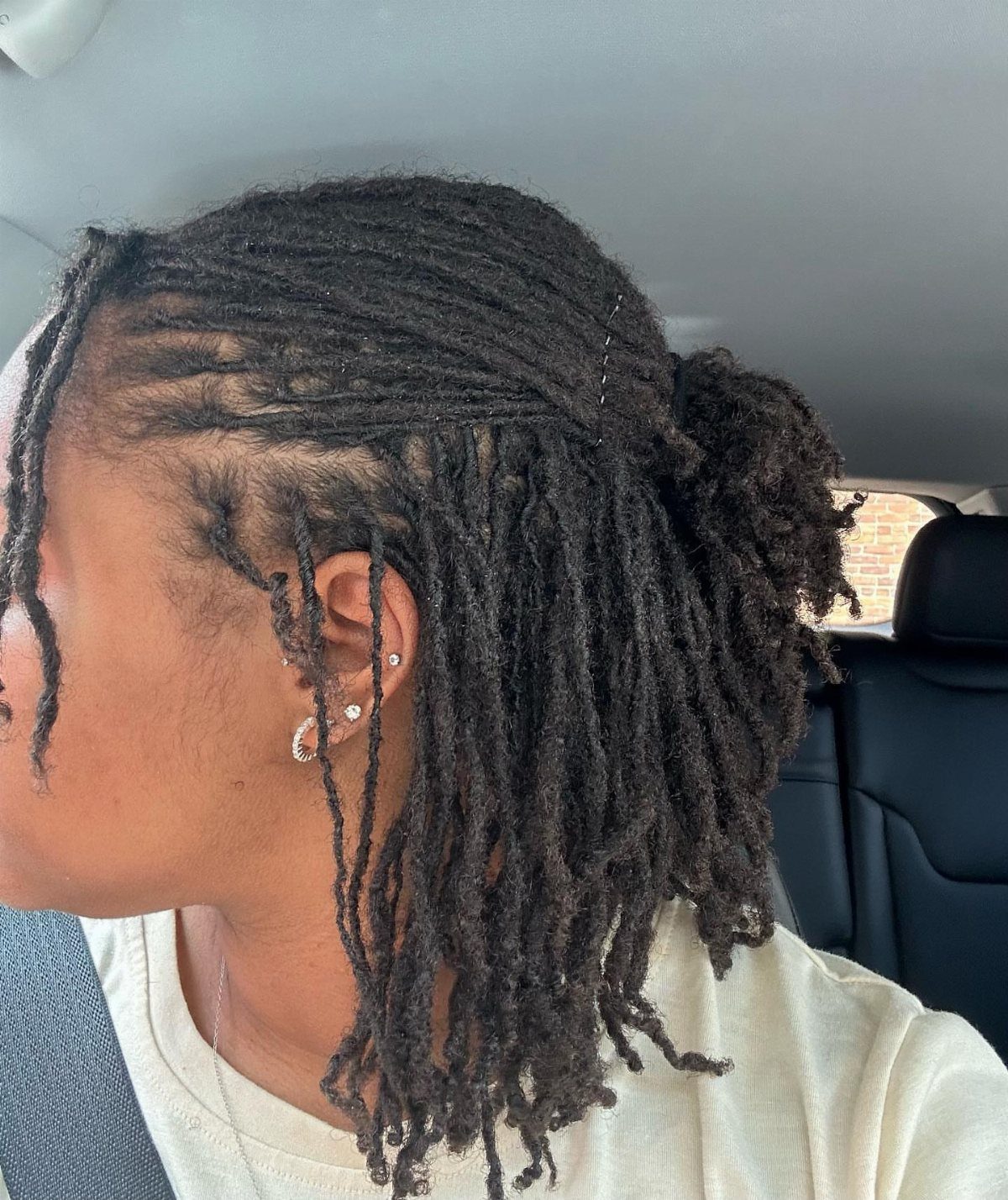
Starter locs are the first stage of a loc journey: small, rope-like sections that begin short and tidy, and tied back in a low ponytail they stay neatly out of the way.
With earrings and a plain white tee, the hair needs nothing else.
A low ponytail works well at this length because it gathers the locs without pulling at the roots.
A soft fabric band or a coil sponge-safe scrunchie beats a tight elastic here, since anything that pinches can pull at the new roots.
Expect the locs to change shape as they mature, so treat this stage as a beginning, not the final look.
Styling Techniques for Short Hair
3 techniques do most of the work on short natural hair, and they give different results. A braid out works like a twist out but with braids, and the pattern it leaves is crimped and crinkled rather than smooth.
Finger coiling goes the other direction. Finger coils work best on damp hair: twirl one small section around a fingertip until it holds a tight spiral, then move on to the next section.
It takes patience, though on a short cut it goes faster than you’d expect.
A diffuser on the blow dryer cuts drying time, and its wide, gentle airflow keeps your curl pattern from frizzing out.
It dries the hair while keeping the natural curl pattern intact, so you skip the frizz that comes from blasting it with bare airflow.
Baby hairs need a fine touch, so I reach for a small rattail comb and a dab of edge control pomade to lay them down cleanly.
Maintaining Short Natural Hair
Plan a trim every 6–8 weeks.
Deep conditioning belongs in the routine just as firmly. Short hair has less length to hide dryness, so a regular treatment is what keeps curls soft and springy rather than brittle.
A simple rhythm helps: put the trim on your calendar when you book the last one, and pair each deep conditioning session with a wash day so it doesn’t get skipped.
Choosing Styles for Face Shapes
Face shape is a useful starting point, not a rule. These pairings are general guidelines:
- Oval: pixie cut, bob, or tapered cut
- Round: asymmetrical bob, layered pixie cut, or faux hawk
- Square: soft layered bob, side-swept pixie cut, or curly undercut
- Heart: long bob, layered pixie cut, or tapered cut
If you land on a bob, consider an A-line. Because the back is cut shorter and the length builds toward the front, the shape pulls the eye to your jawline.
Try the shape that suits your face, then check it against how you feel in it. The best cut is the one you’re comfortable and confident wearing.
Frequently Asked Questions
What are the best short natural hairstyles?
Pixie cuts, curly bobs and tapered cuts are the most practical picks. A tapered cut keeps its shape because the nape is cropped close and the crown holds its volume; a curly bob puts the curl pattern front and center.
For no styling at all, a buzz cut is the lowest-maintenance option, though its edges need regular clipper touch-ups.
How do I style short natural hair?
3 techniques do most of the work: twist outs, braid outs and finger coiling. A twist out gives defined, stretched curls, a braid out leaves looser, softer curls, and finger coils on damp hair give a tight spiral.
How do I pack my natural hair?
On short hair, gather it into a high puff at the crown or a low ponytail with a small bun. A soft fabric scrunchie or band is gentler than a tight elastic, which tugs at the hairline and the roots.
How to look girly with short hair?
Let earrings and the neckline do the work.
A braided updo or a slick-back with a small bun puts your earrings and neckline on display, and a curly bob frames the face softly. Pair either with a camisole or a sleeveless top for a dressier feel.