Casual chic can be as simple as a classic cardigan or a silk scarf over plain jeans, or as built-out as a fitted blazer with a linen button-down, and the cost and effort rise with every piece you have to buy.
Your pick starts with what’s already hanging in your closet: if the jeans are good, one layer or accessory finishes the look, and if you’re starting over, the money goes to the pieces you’ll wear on repeat, like quality basics and a pair of feel-good denim.
Shoulders and trouser length are the first things I’d check on any of them, and 2 or 3 neutral shades keep the whole closet working together.
1. Fitted Blazer with Jeans
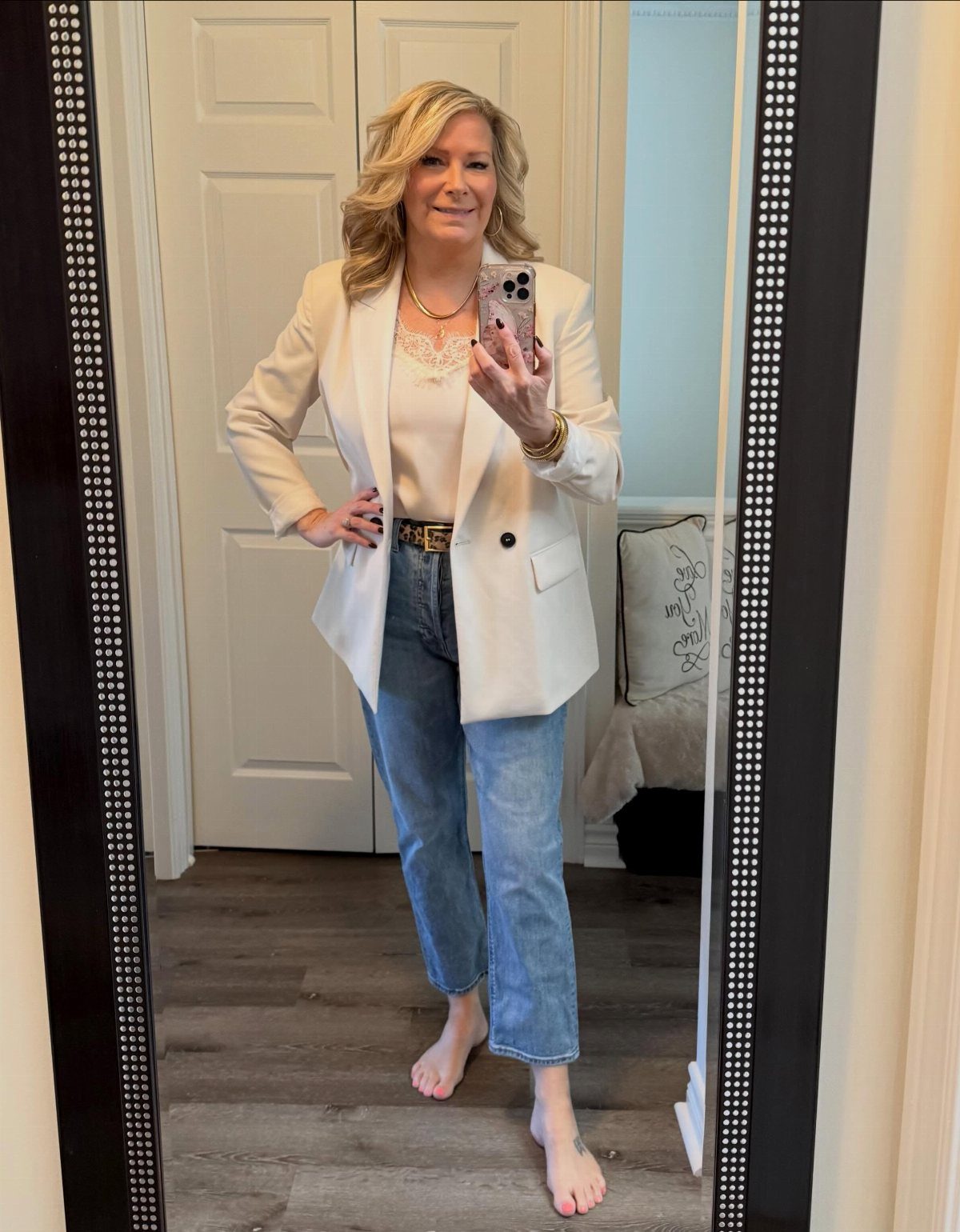
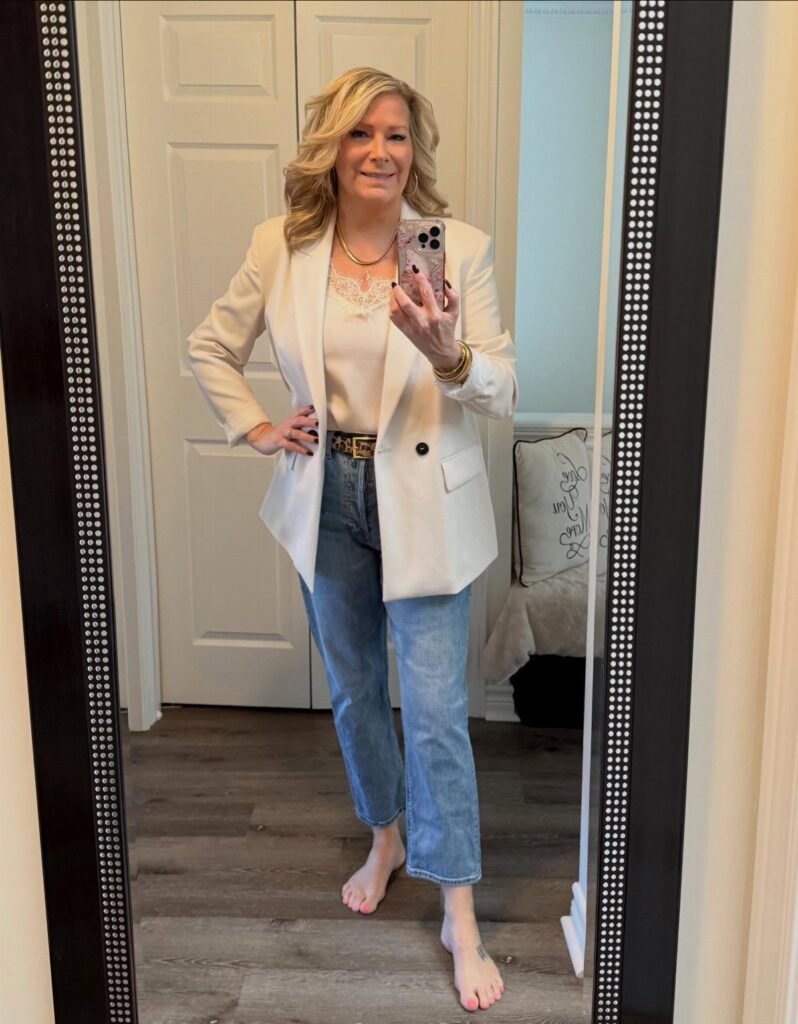
A white blazer over white and blue denim is a low-effort formula, and the fit does the work. Shoulder seams should sit right at the edge of your shoulders, and the sleeve should end near the wrist bone.
Keep the tee or top simple so the blazer stays the focus. A light wash like this one reads softer than dark denim, while a darker pair gives more contrast if white feels too bright for you.
I’d pick a blazer that buttons without pulling, since a snug one is hard to wear open.
2. Layering Techniques
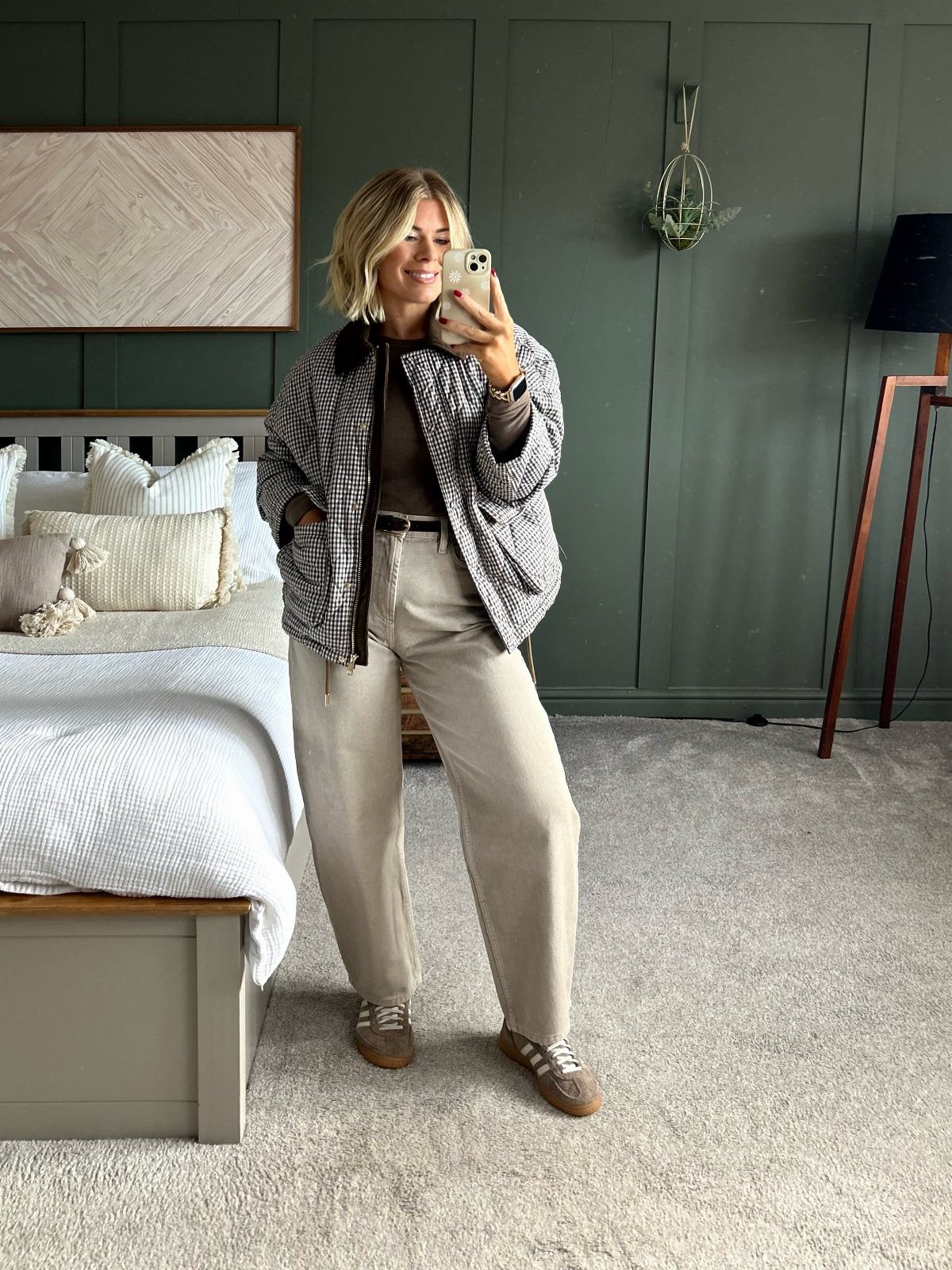
Brown, beige and one patterned piece: that is a layered outfit with a clear limit on color. Let the jacket carry the pattern and keep the top and trousers plain, so the layers add depth without clutter.
A top that is shorter than the jacket hem looks tidy. Sneakers keep the whole thing relaxed, which suits errands and long days.
If you are new to layering, stay within 2 or 3 neutral shades and add pattern in only one place.
3. Mixing Casual and Chic

Wide-leg white trousers with a denim shirt make the formula easy to see: one relaxed piece, one cleaner one, and the outfit lands in the middle. Denim brings the ease, and the crisp white pant gives it polish.
Sunglasses finish it without any extra effort. A denim shirt that reads too casual gets sharper with a tuck and a belt, which defines the waist and gives the line some structure.
I like this pairing because both pieces already work with most closets. White does show everything, so check the fabric’s opacity before you buy.
Style Notes: While it sounds simple, don’t underestimate the power of a white tee paired with black tailored trousers. To balance the boxy shape of the top, copy Lison and opt for a more tapered pair of trousers that cinch in at the ankle.
4. Classic Cardigan
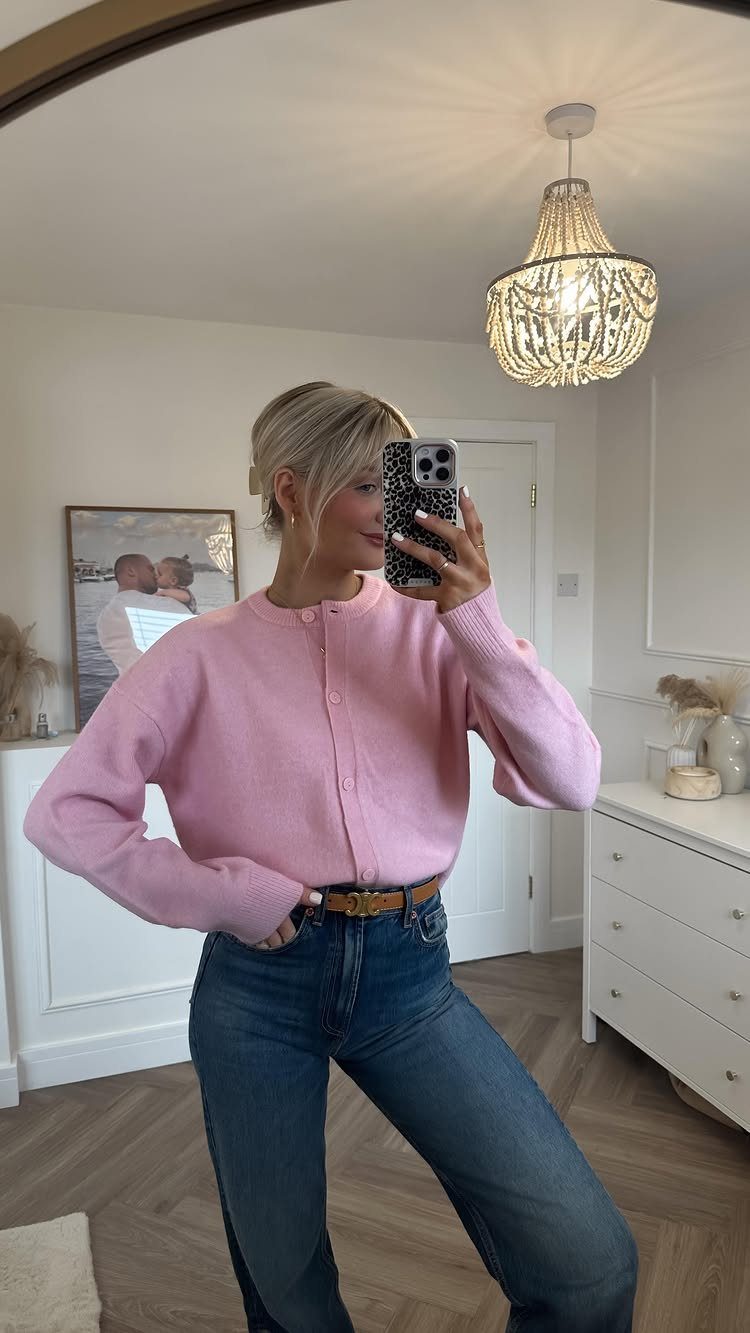
A pink cardigan makes plain jeans look finished, and it asks for nothing more. Worn open over a simple tee, or buttoned on its own, it covers two moods from one piece.
Choose a knit that holds its shape at the cuffs and hem. A softer color like pink pairs easily with blue denim, though a neutral cardigan will go with more of what you own.
Buy one in your best color first, then add a neutral.
5. Chic Dresses
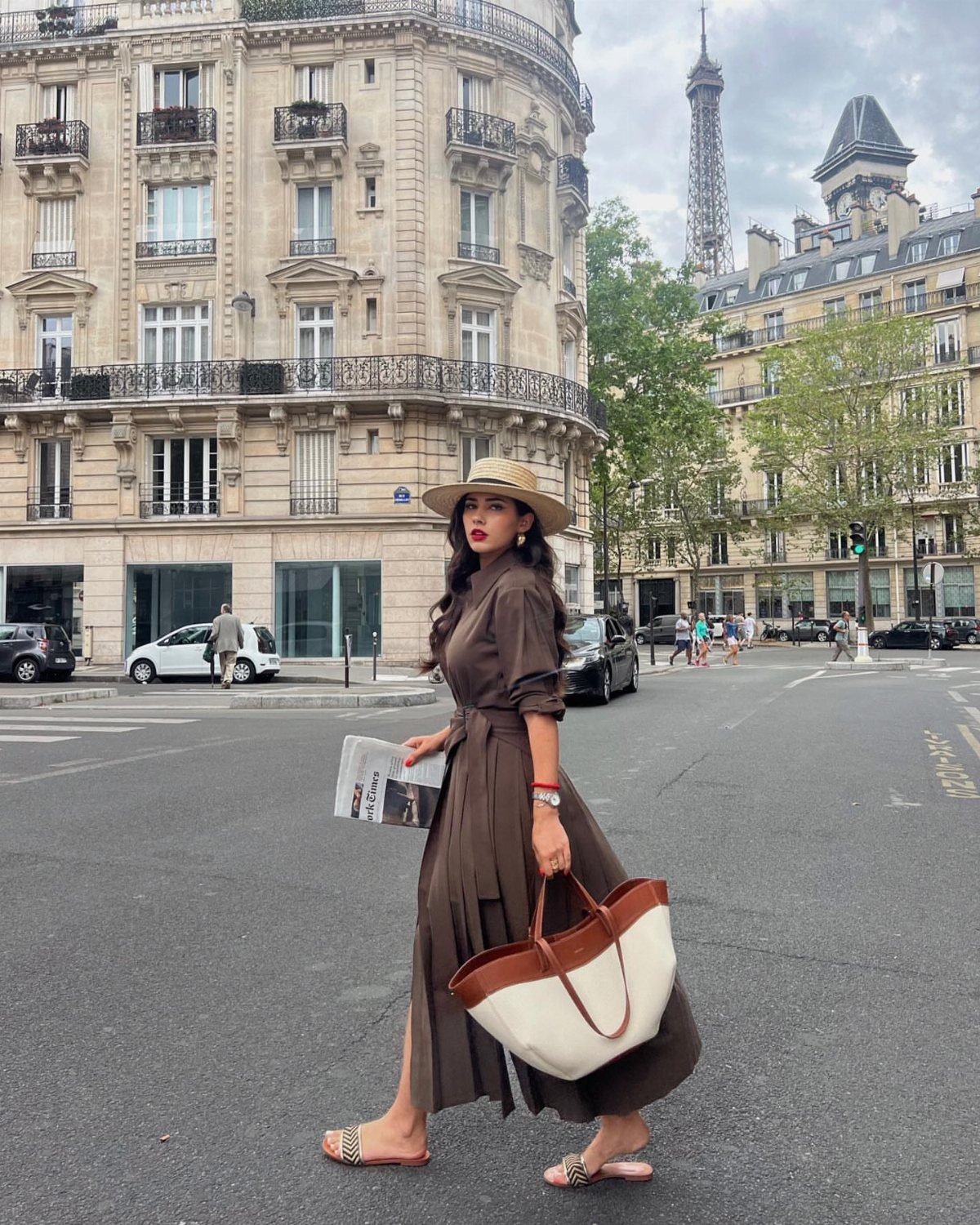
A midi dress is the easiest one-piece outfit I know: you put it on and you are dressed.
Look for a hem that lands mid-calf and a fabric that moves without clinging. Plain colors repeat well, so you can change the look with a tote or a hat.
A few good dresses beat a rack of trend pieces, especially if you shop online and can’t try them on.
6. Classic Loafers
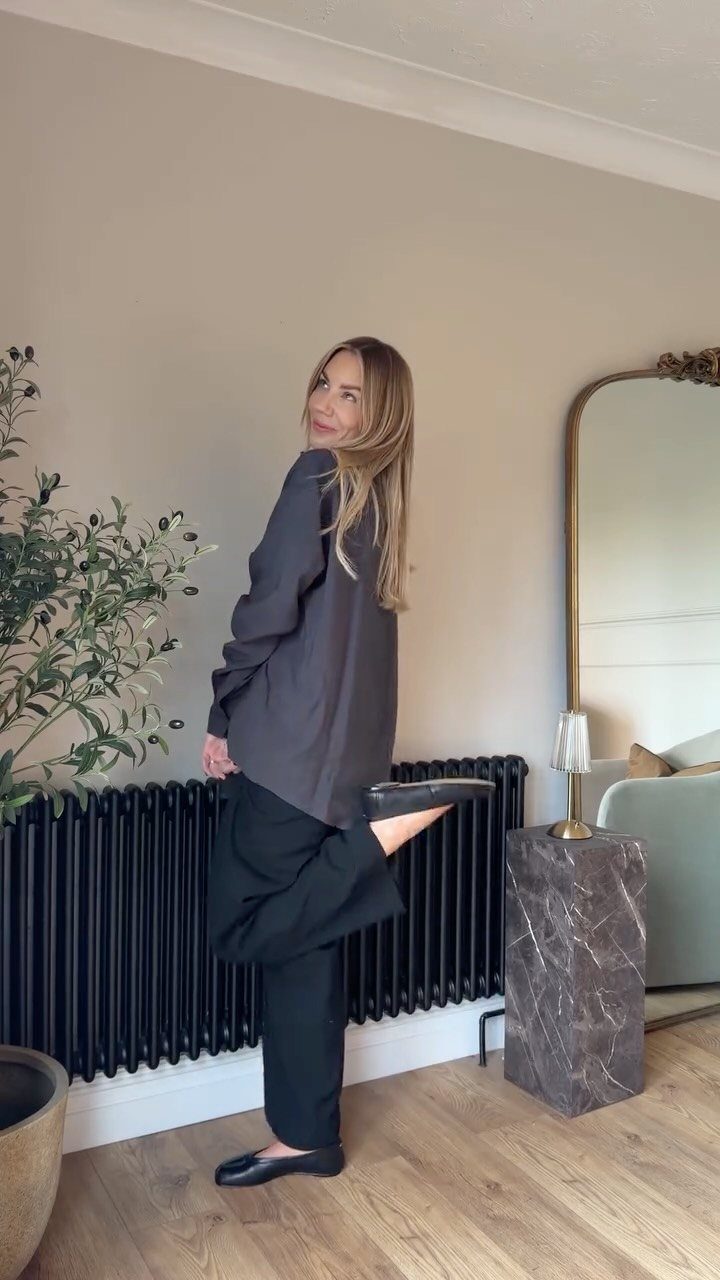
Black loafers do the quiet work in an outfit like this, keeping grey and black trousers sharp without dressing them up too far. A low, flat profile also makes them easy to wear every day.
Match the shoe to what you already own. Black suits tailored trousers best, while brown or burgundy can warm up denim.
I would buy one pair in black first and see how often you reach for them before adding another color.
7. High-Quality Basics
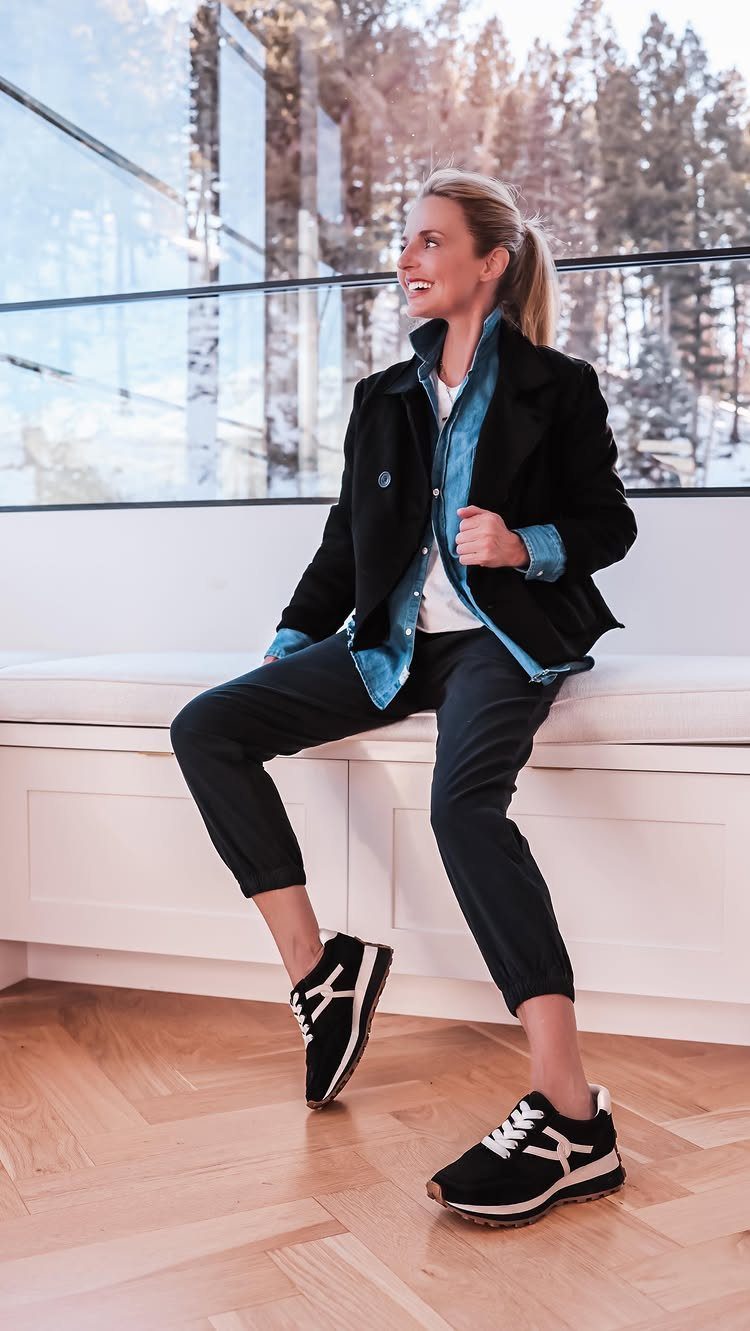
Black blazer, blue shirt, black trousers: three pieces in two colors, and each one earns its place by fitting well. Sneakers keep the set relaxed, so the outfit works for a workday or a weekend.
Spend on the pieces you will repeat most, and check the shoulders and the trouser length before anything else. Plain, timeless cuts stay wearable for years, which is the point of buying fewer things.
I’d start with the blazer, since it changes everything under it.
8. Statement Jewelry
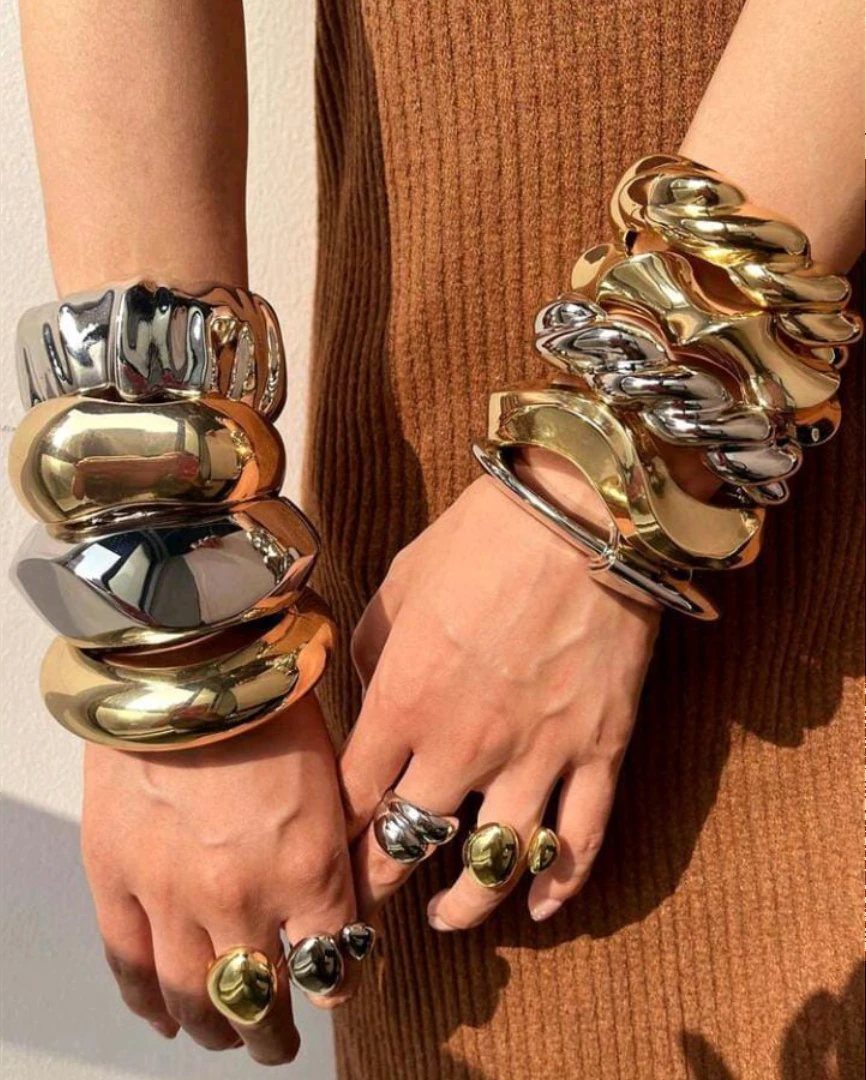
Stacked bangles and rings can carry an outfit alone. Against a plain brown ribbed knit dress, chunky gold and silver pieces become the only thing that needs your eye.
Mixing the two metals looks deliberate when you wear them in clusters rather than one lone piece of each.
Stack bangles on both wrists and spread rings across both hands; that way the weight sits evenly and nothing looks lopsided. Heavy pieces can clink on a desk, so I save the biggest stack for evenings out.
9. Silk Scarf
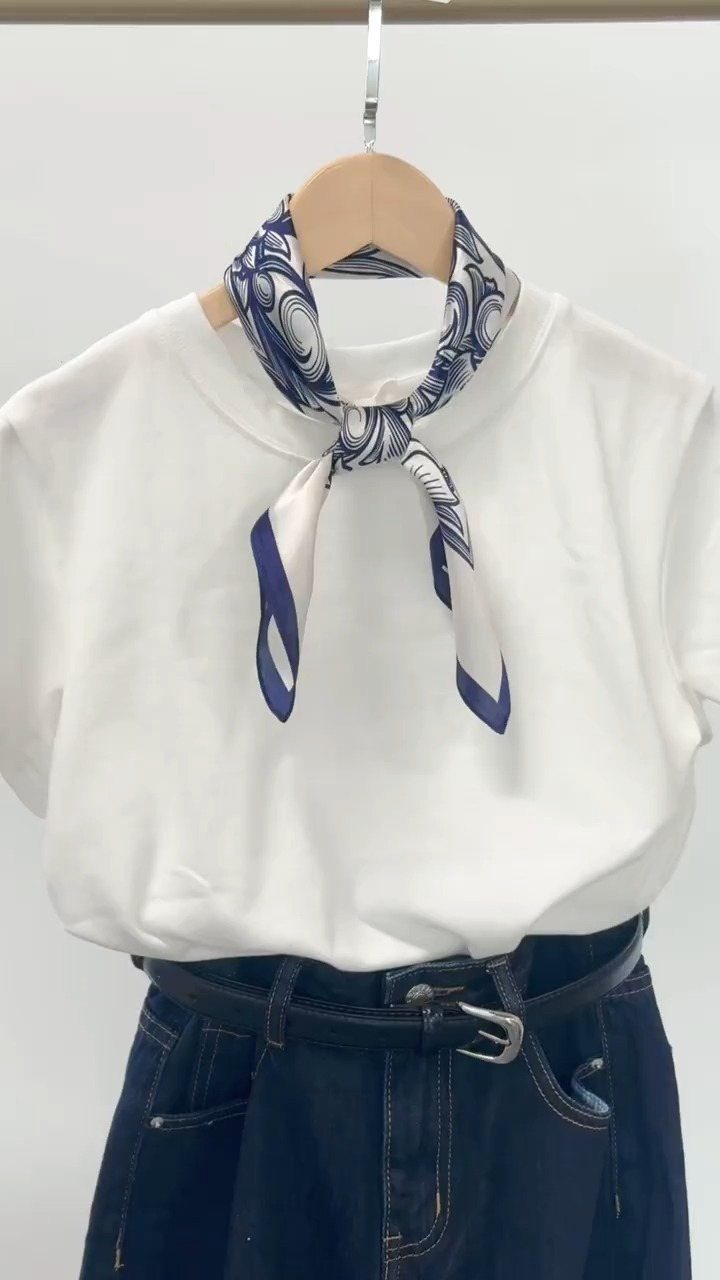
A blue and white pattern picks up the denim, so the colors already agree.
Pick a scarf in shades you wear often, and let it be the only pattern. A small knot sits neatly against a crew neck.
One scarf costs far less than a new top, and it is the quickest change I know for a basic look.
10. Linen Button-Down
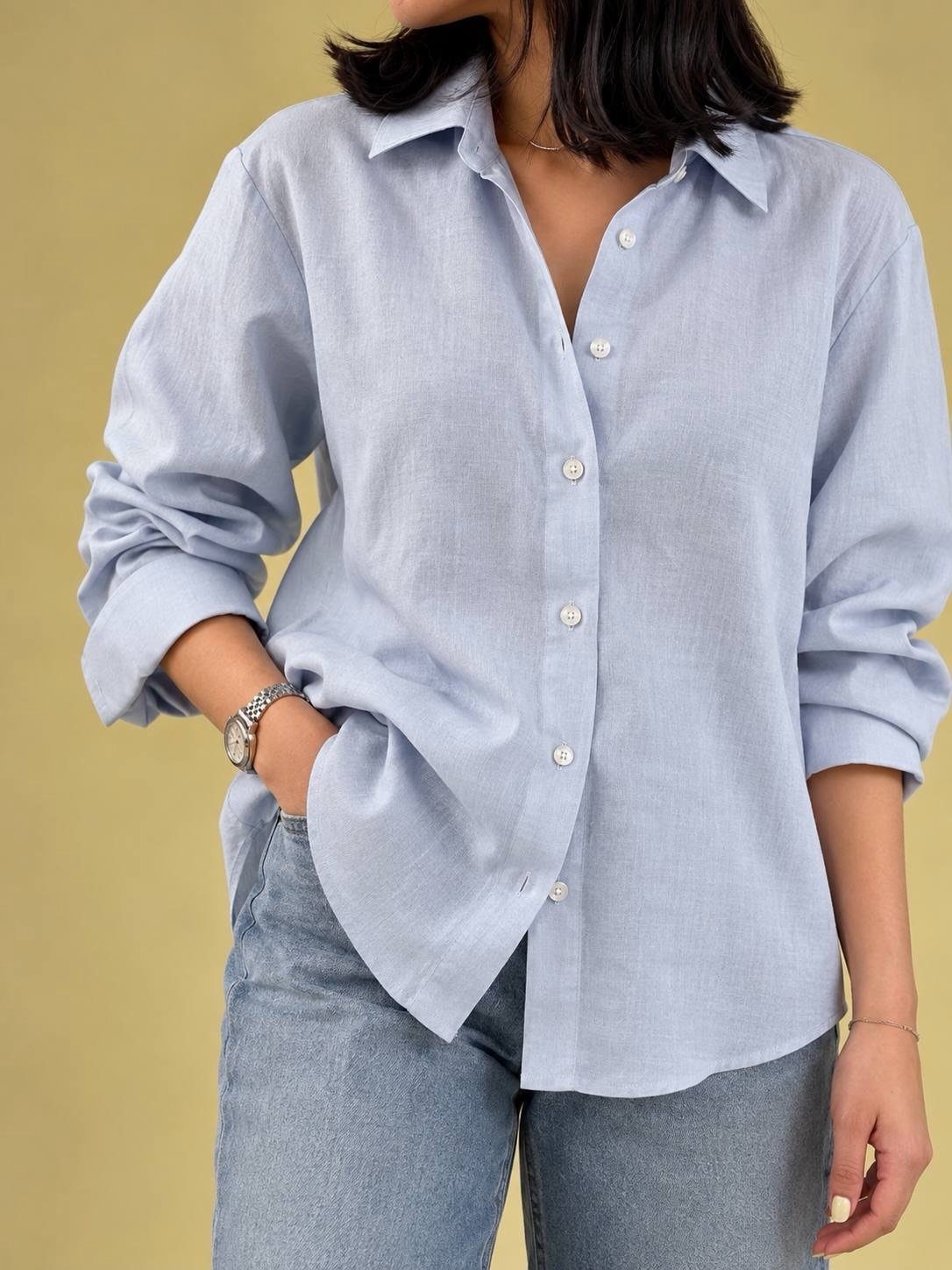
Linen shirts last for years, and a light blue one tucked into light-wash jeans is about as easy as dressing gets. Tonal blues look calm and put together without trying hard.
Linen wrinkles, and I think that is part of its charm, but a tuck keeps the shape tidy. Since the fabric comes in so many colors, white, sage or sand are good next buys once you own blue.
Roll the sleeves for warm days and leave a button or two open at the collar.
11. Feel-Good Denim
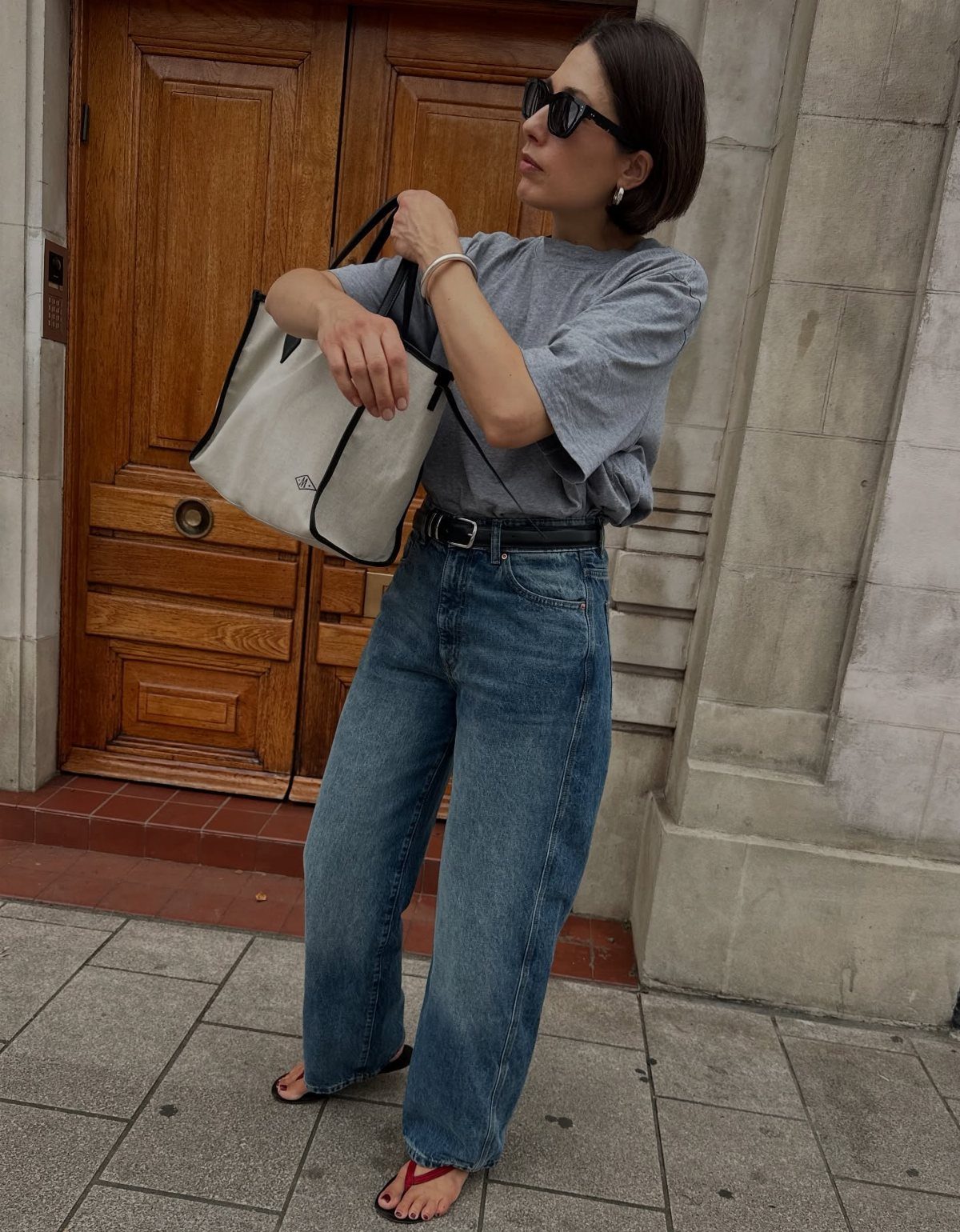
The waist should sit comfortably without gapping at the back, and the leg should skim the ground over your shoes.
Of everything in a small closet, a pair of jeans that truly fits earns the biggest share of the budget, and I’d spend there first.
Try them sitting down as well as standing, since comfort decides how often they get worn.
Quality Over Quantity
A well-made staple holds its shape and color through many more wears than a cheap one, so the cost per wear drops fast.
You don’t have to spend a lot, and you don’t have to do it all at once. Build up high-quality basics over time, one piece at a time, and let the closet grow around them.
I’ve found this approach worth the money, mostly because it ends the cycle of replacing things that wore out after a season.
Importance of Fit
A piece you love that doesn’t quite fit is not a lost cause.
Take it to a tailor. An inch taken in or let out can change how the whole outfit sits and how comfortable you feel in it.
Alterations also make online shopping less risky. If a garment fits in the shoulders but is slightly off elsewhere, a tailor can usually fix the rest.
Choose natural fibers when you can, since they tend to last longer, and pair them with a fit that flatters your figure. Fit and fabric together are what make simple clothes look polished.
Personal Style Expression
Casual chic leaves room for your own taste. A capsule wardrobe of interchangeable pieces gives you many outfit combinations, so you can mix and match for different occasions without buying more.
Casual chic is where your personality shows: which pieces you pair, what you repeat, what you skip.
Fewer decisions also help. When your pieces work together, mornings stop being a guessing game, and you can dress for brunch, errands or coffee with friends from the same small set.
Frequently Asked Questions
What is casual chic style?
Casual chic sits halfway between lazy and dressed up: one easy, lived-in piece paired with something sharper, like a tee under a tailored blazer. It looks put together without looking overdressed.
What makes a woman look wealthy?
Fit and fabric do most of it. Simple clothes in natural fibers that fit your shoulders and frame look polished, and a tailor can fix an inch here or there.
A small set of well-made pieces in a few neutral shades reads as more expensive than a rack of trend items.
What is the 3-3-3 rule for clothing?
A close cousin of that idea works well for casual chic: keep an outfit within 2 or 3 neutral shades and put pattern in only one place.
That limit keeps layers from looking cluttered. It also makes the pieces in a small closet easier to mix.