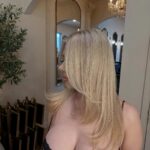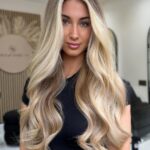
Hair length and texture decide which of these cuts fits: chin-length layers or a textured layered bob with bangs suit wavy hair and shorter lengths, while a long shag or long, bouncy layers keep long curls from stacking into a triangle.
The list runs from a soft Italian bob to long, bouncy layers, and from curtain bangs to a cut with no bangs at all.
Face-framing layers can be adjusted to your face shape, and the Choosing the Right Layers section covers how much morning styling each cut takes, so bring both to the consultation.
1. Curtain Bangs

Parted down the middle and swept to each side, curtain bangs open the face instead of closing it off.
On natural hair, that opening is what makes them work: the longer pieces blend into the rest of your layers rather than sitting as a blunt, separate fringe.
I like them best on hair worn up, since the bangs stay put while everything else is pulled back.
Have them cut the bangs long enough to tuck behind your ears, so you can pin them back on days they get in the way.
2. Curly Layered Mane
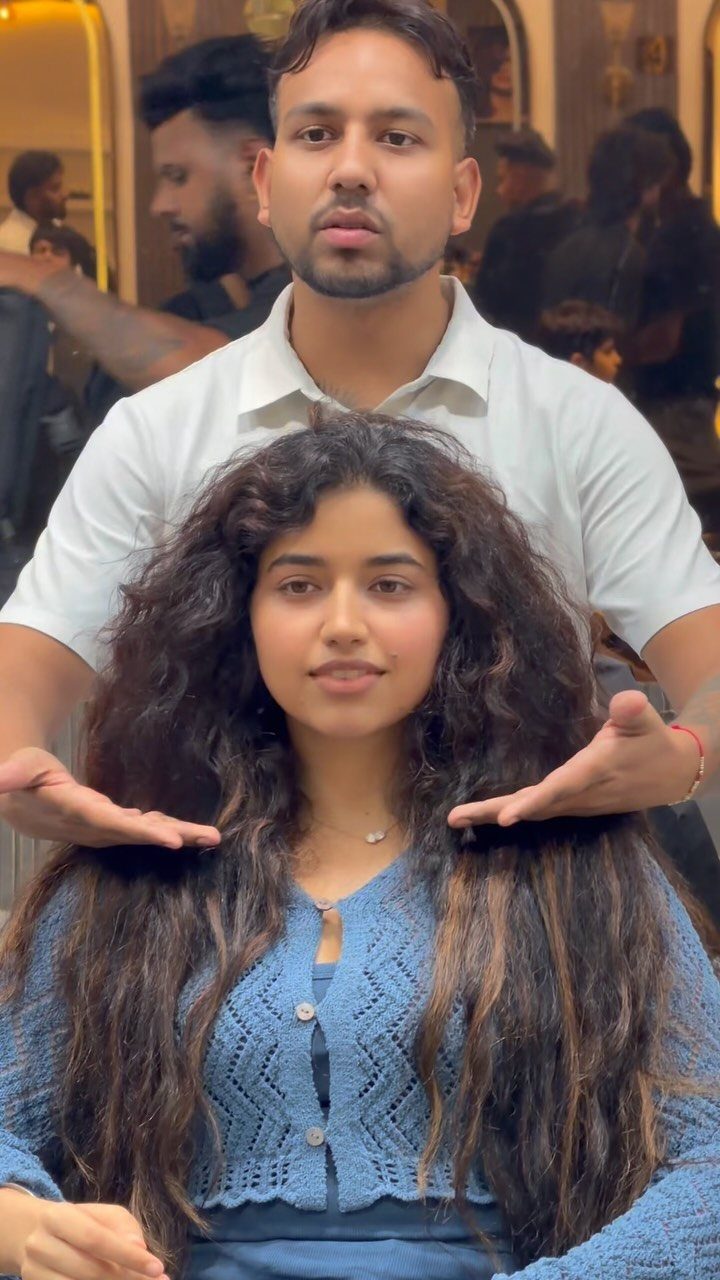
Layers cut to follow the curl pattern are what give a long curly mane its shape. Without them, length tends to hang heavy and the curls stack into a triangle.
My advice is to find a stylist who cuts curls on their own terms, ideally dry or with the curls in their natural state, so you can see where each one falls.
Bring the photo, and say how you actually wear your hair most days too. A cut built for how you really style it will serve you far longer than one that only looks right in the salon chair.
3. Face-Framing Layers
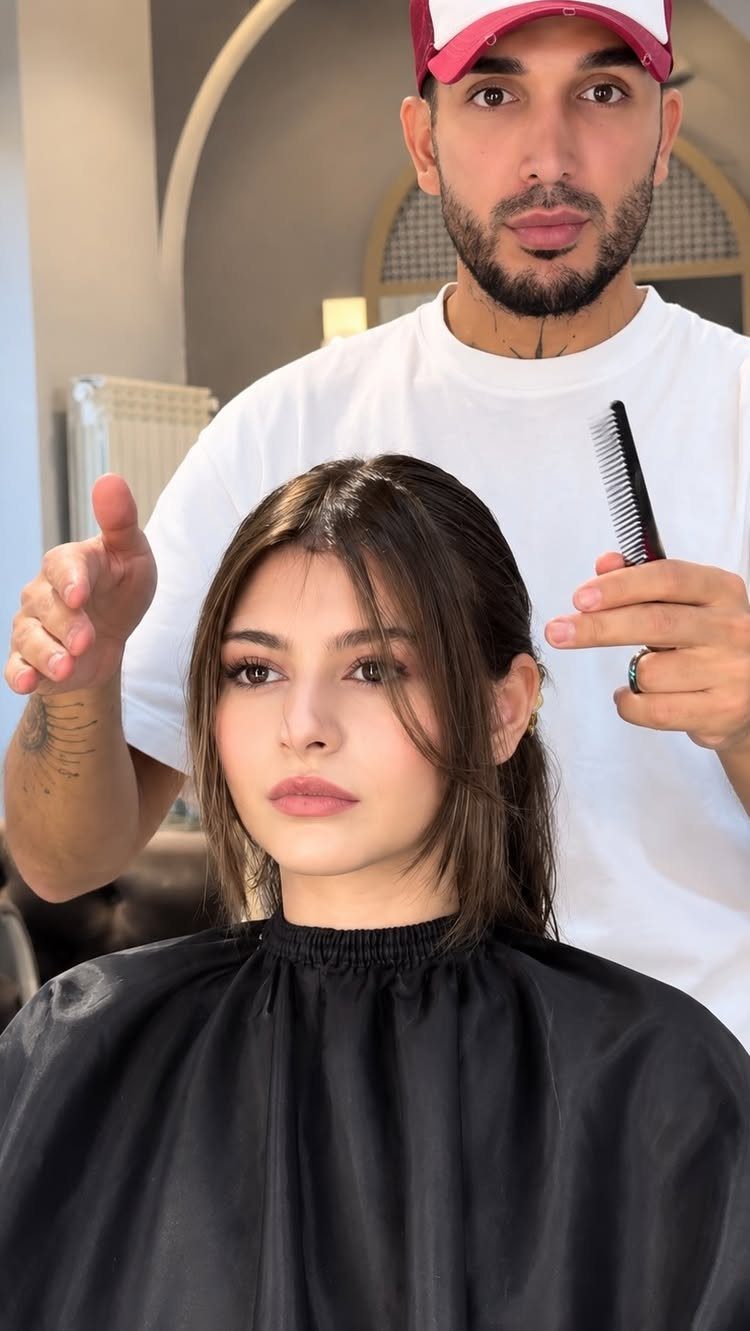
Shorter pieces cut near your cheeks and jaw are the quickest way to add definition without losing length. They sit near the cheekbones and jaw, so they draw attention exactly where you want it.
For natural hair, I would keep the cut soft and gradual rather than sharply stepped.
The shorter front pieces should blend into the longer layers behind them, so the shape looks intentional from every angle; tell your cutter that up front.
The trade-off: those front pieces need a little styling to behave, and they grow out into awkward lengths before the rest does.
4. Wolf Cut
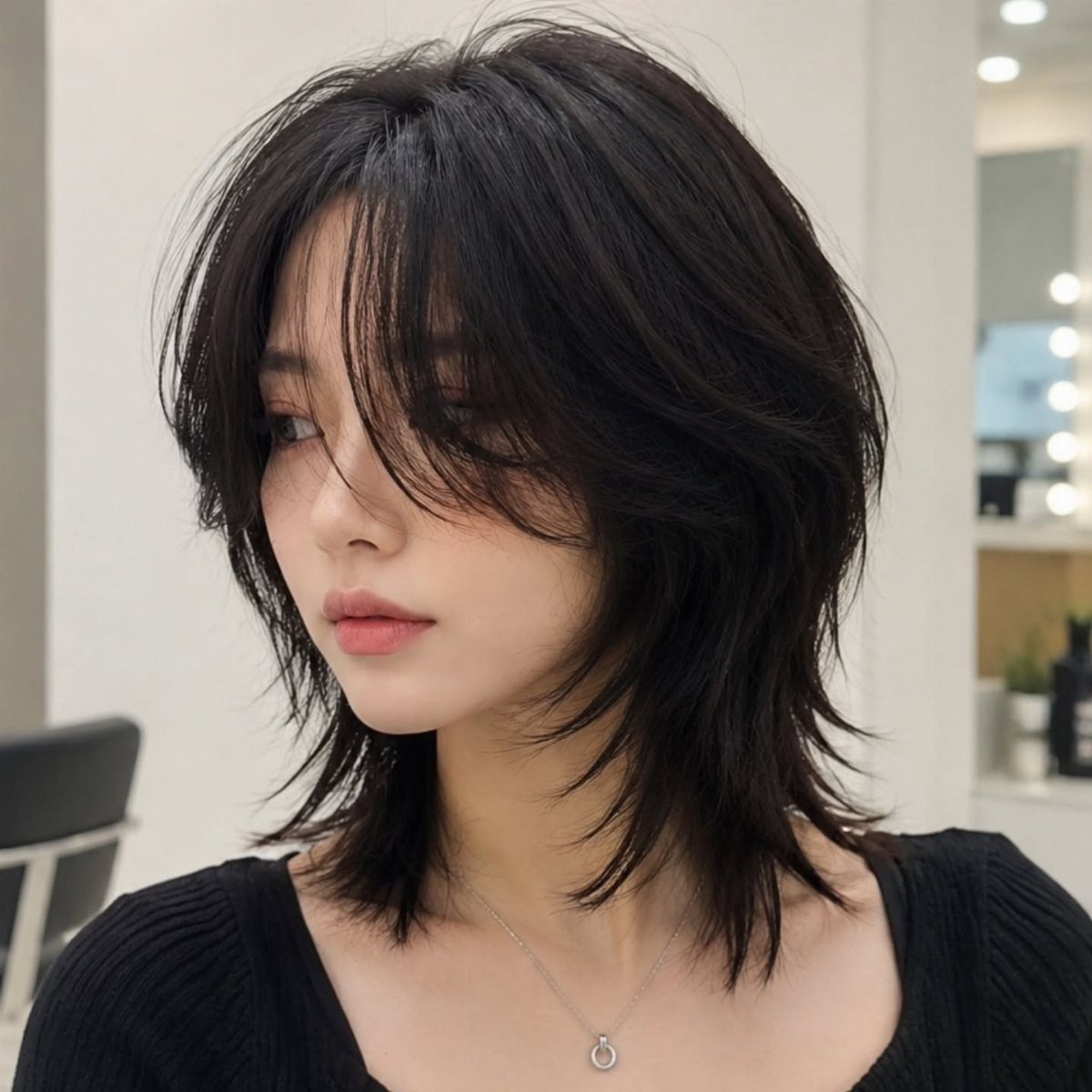
Choppy, uneven layers with wispy ends give the wolf cut its edge, and the texture does much of the styling for you. Natural hair already has body and movement, which suits a cut that wants to look a little undone.
Ask for visible, separated layers through the crown and ends rather than a smooth blend.
Skip heavy, slick products; they flatten the very texture that makes the cut work. A light, scrunch-friendly cream is enough to keep the ends defined.
5. Soft Italian Bob
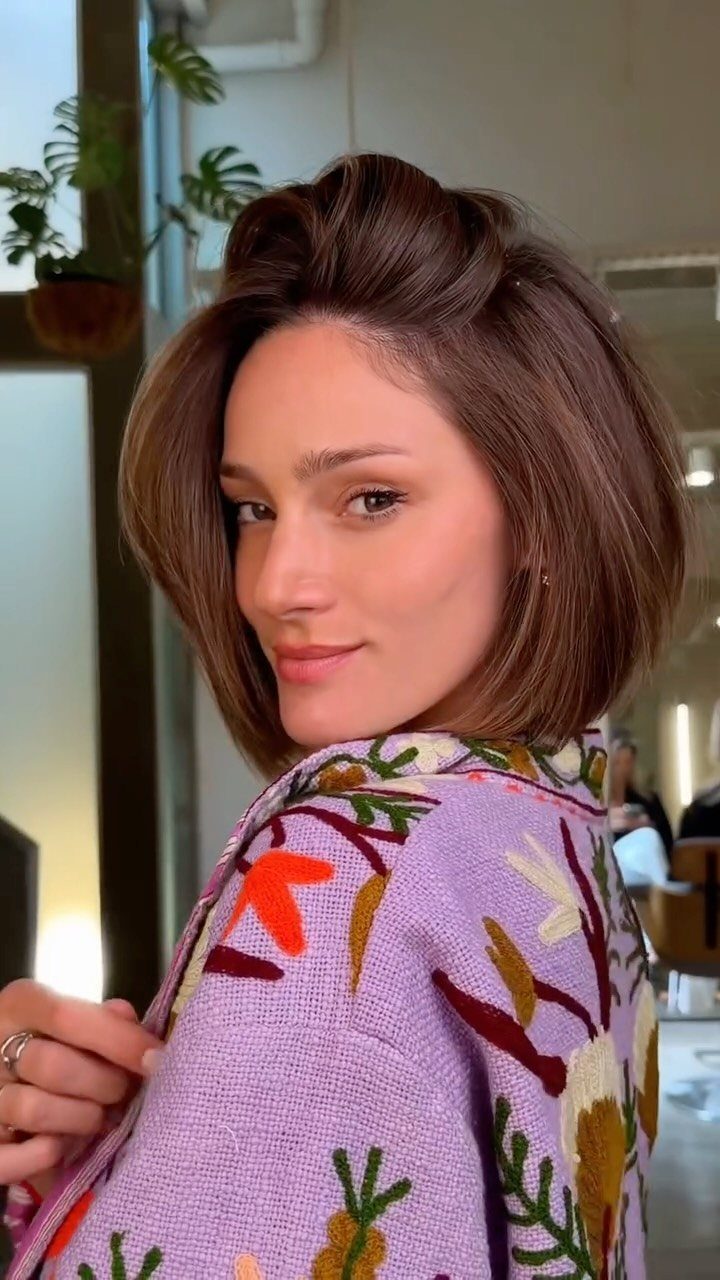
Soft texture and movement are what separate a soft Italian bob from a stiff, blunt one. The ends stay light and the shape has room to move, so the volume reads as natural rather than styled.
On natural hair, that volume is built in, which is the appeal. For a polished look that still isn’t fussy, this is the cut I would pick.
Tell your stylist you want softness at the ends, not a sharp line. The cut works with your texture instead of fighting it, and that makes daily styling easier.
6. Long Shag
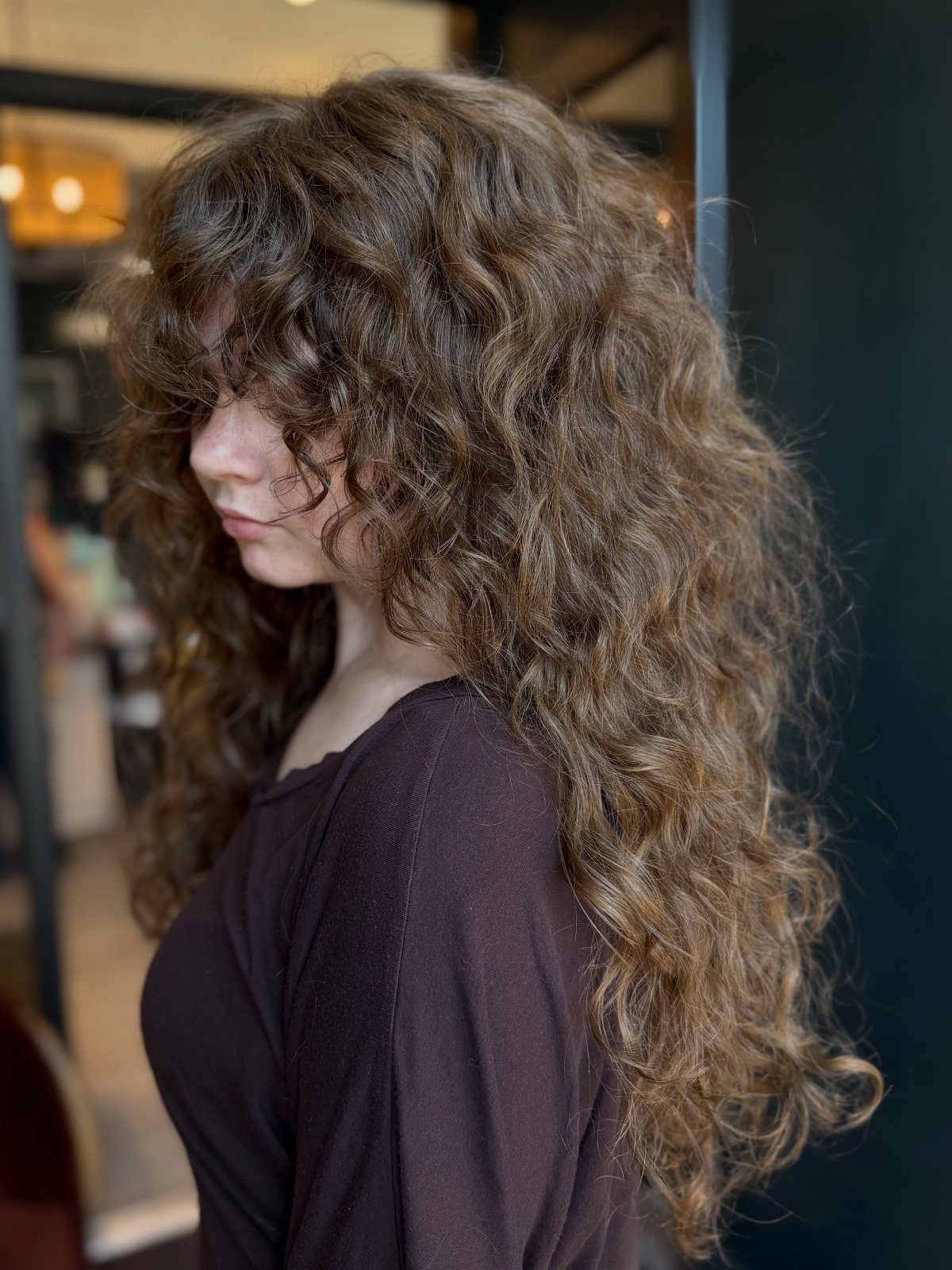
Heavy layering combined with a tousled bang is the whole identity of a long shag. The layers add lift and shape through the crown, while the bang breaks up the length so it never feels like one flat sheet.
Curly and wavy textures take to this cut well, because the layers let each curl spring up instead of weighing down.
If you are wary of bangs, ask for them long and wispy so they blend with your layers. You keep the length and still get the shag shape.
7. Chin-length Layers
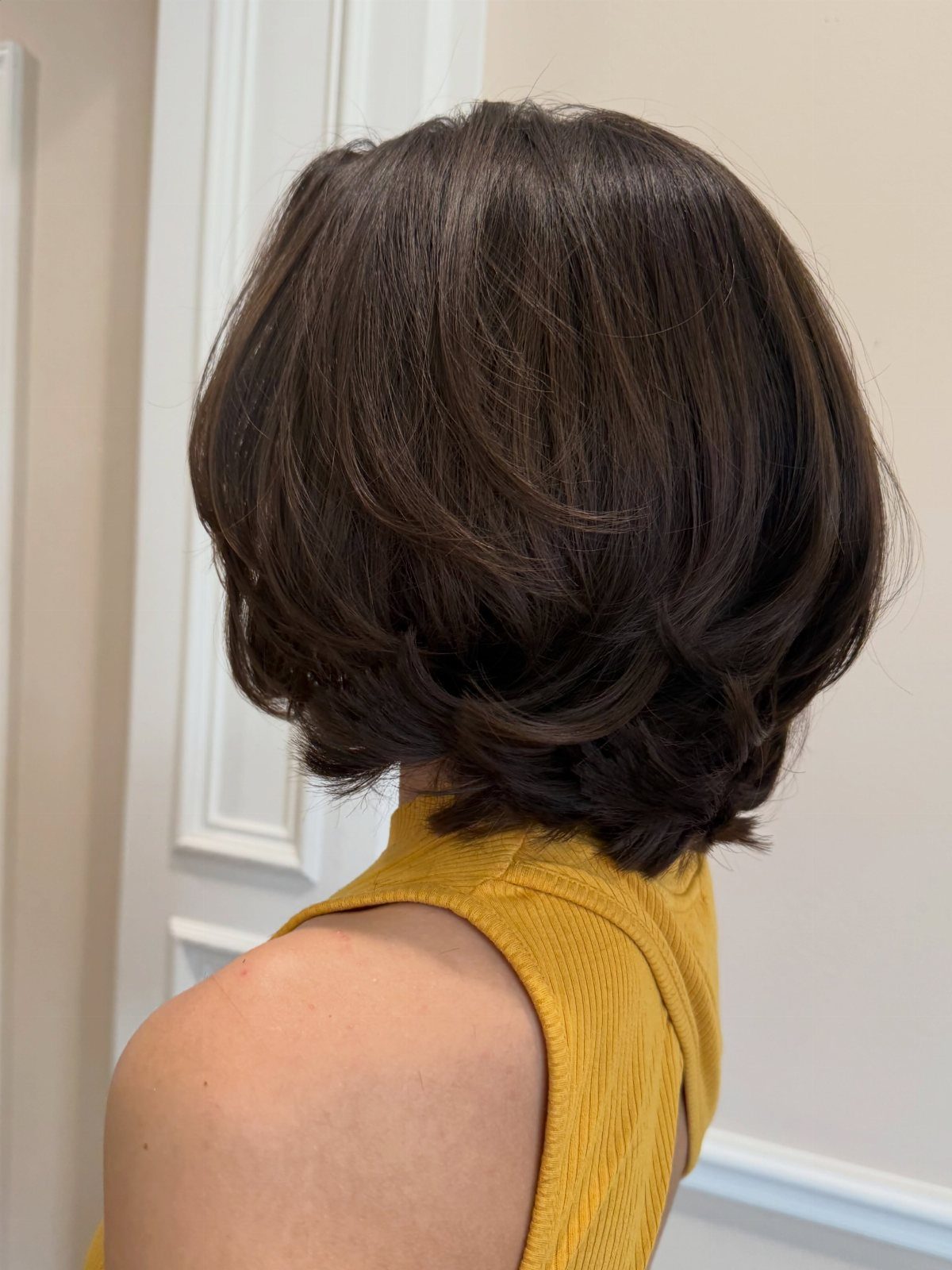
A chin-length cut with curved, layered ends keeps the weight at the jaw and lets the layers do the moving.
The shape is short enough to show off a sharp jawline, yet the layering gives it volume instead of a flat, blunt edge.
On natural hair, I would ask for the layers to be cut with your texture in mind, so the ends curve under or flip out on their own.
Shorter hair shrinks as it dries, so book the cut a little longer than you think you want and let the curl pattern settle before you go shorter.
8. Long, Bouncy Layers
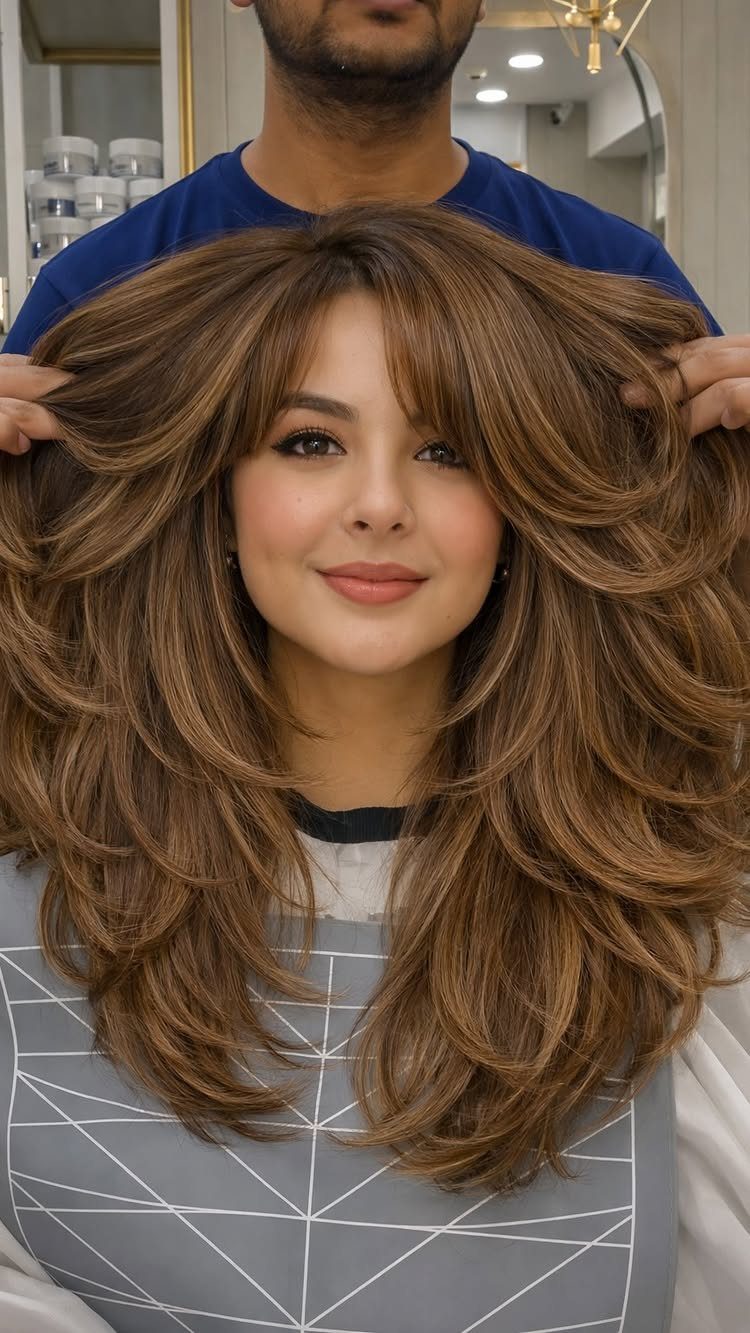
Layers that begin around the jawline and cascade down are what keep long natural hair from hanging in one heavy sheet. Each layer gets room to bounce, so the length reads as movement rather than weight.
I would pick this over a blunt long cut for anyone whose hair stacks wide at the bottom. Ask for the first layer to land at the jaw and for the rest to fall gradually below it.
Long layers cost you a bit of fullness at the ends, since the weight that once sat at the bottom gets shifted up toward the crown.
9. Textured Layered Bob with Bangs
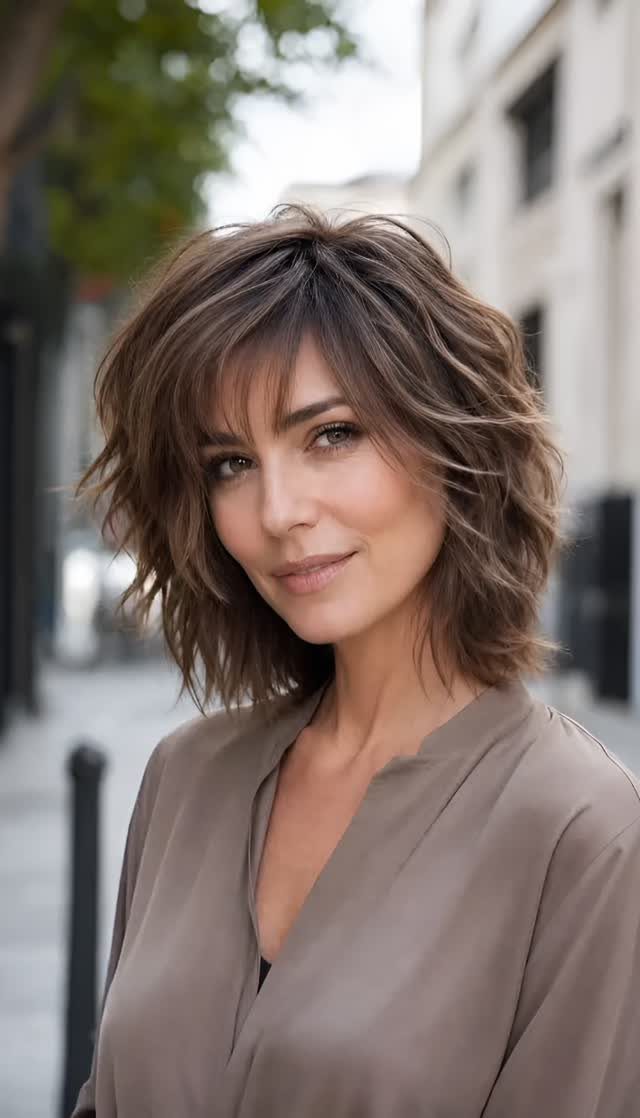
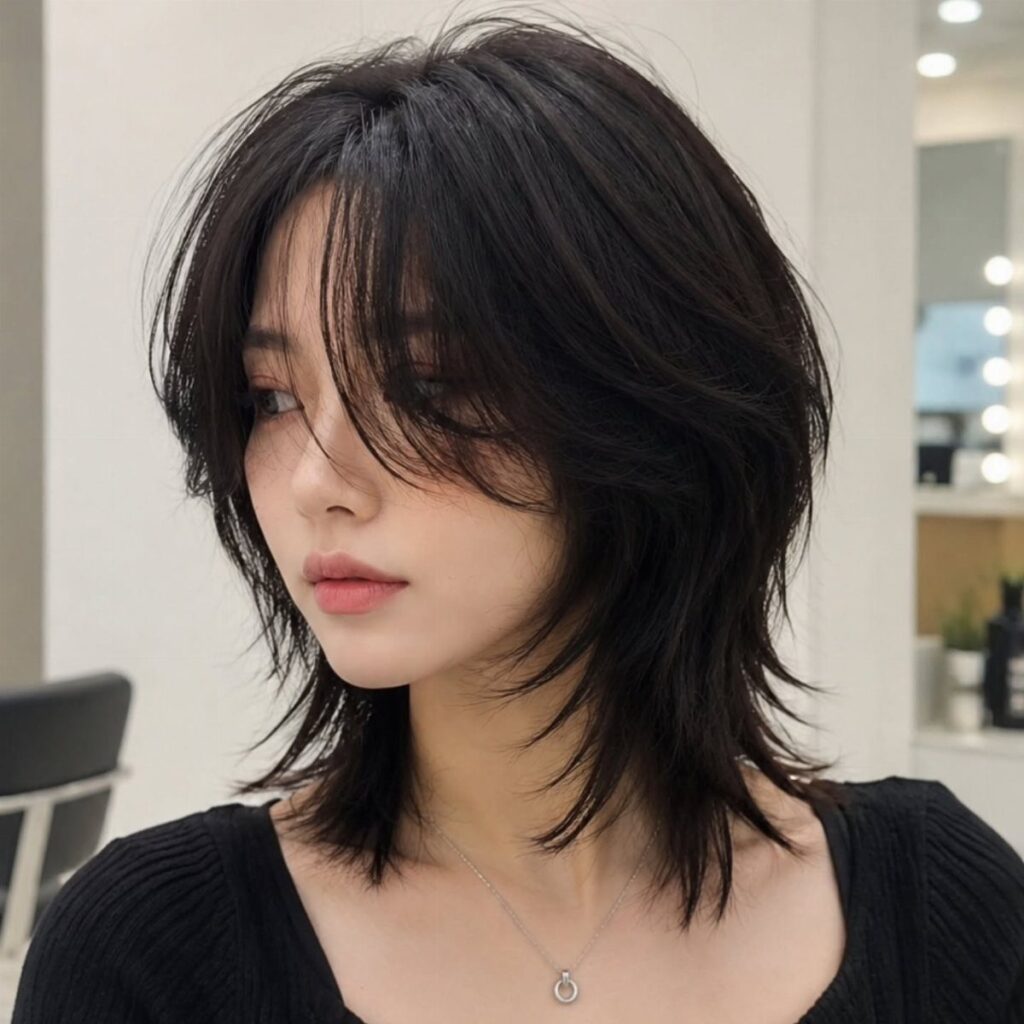
Soft bangs on a medium-length, textured bob give wavy hair a built-in shape at both the top and the ends. The layers stop the bob from puffing out, and the bangs add a focal point near the eyes.
Ask for the bangs to be cut dry, so you can see how your waves actually sit. Wavy hair springs up once it dries, and a bang cut wet often ends up shorter than planned.
A light texturizing spray is plenty for styling.
10. Side-Parted Shoulder-Length Layers
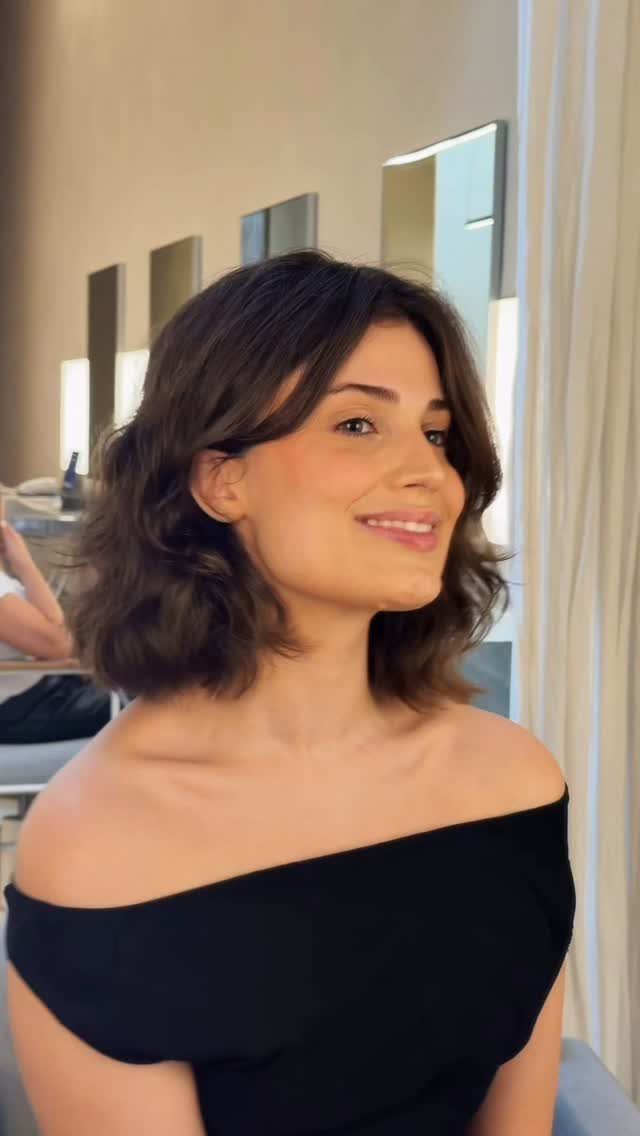
A side part and subtle layers are the easiest way I know to give shoulder-length waves some shape without a dramatic cut.
The part adds lift at the root, and the soft layers keep the waves from collapsing into a single line.
Part your hair while it is still damp, then let it dry without touching it, so the waves settle around the part.
Subtle is the word to repeat to your stylist: just enough layering to guide the waves, not enough to thin the ends.
Benefits of Layered Haircuts
Layers give hair movement, and that is what I notice first: strands swing and separate instead of hanging in one heavy sheet.
Hair that sits flat and heavy picks up shape and bounce once the weight is spread out, and the root area gets lift instead of lying in one dense sheet.
On fine hair that tends to lie flat, shorter pieces around the crown take weight off the ends and let the roots lift a little. Thick hair gets the opposite benefit: the weight is lighter and easier to manage.
Shorter layered cuts are also easier to live with. On wavy or curly hair, a wash-and-go routine works because the cut already enhances the natural movement, so a pixie or a shorter layered bob needs little fuss.
On longer lengths, layers can open up the face. If the hair gets finer around the hairline over time, a fringe helps balance the weight.
Reed seconds this, adding: “Layers are essential for shape and balance. They allow curls to move freely while preventing the silhouette from becoming too heavy or triangular.”
— Elle
Styling Tips for Layers
Layers hold their shape only when the ends stay fresh, so regular trims matter more here than with a blunt cut.
Once the ends grow out, the layers lose their bounce and the hair starts to hang in one piece again.
For lift, a volumizing product at the roots does the most work, since that is where flat hair gives up first.
Apply it to damp hair and keep the amount small; too much weighs the layers down and cancels the point of cutting them.
A short layered cut needs the least work from me, since the shape does most of the styling before you pick up a brush. Let the natural movement do the rest.
Choosing the Right Layers
Start with your face shape, then let a professional confirm it. A stylist who sees your hair in person can judge what it will do better than any photo.
Round faces usually look best with layers that start below the chin, because the longer lines draw the eye down and make the face look narrower. Oval faces suit shorter, face-framing pieces.
Face-framing layers can flatter almost anyone, but the best version depends on your face shape, so bring that question to the consultation instead of just a picture.
Ask what the cut will look like on your hair type once it dries, and what it will need from you each morning.
Frequently Asked Questions
Can layers thin your hair?
They can, mostly on very fine or thin hair, where too many layers make the ends look sparser.
Ask for subtle, soft layers that guide the shape without thinning the ends. On thick hair, layers take out bulk, so the cut dries faster and sits more easily.
Which hair style is good for natural hair?
A soft Italian bob, a wolf cut, a long shag and long, bouncy layers all suit natural texture, because each lets curls and waves move instead of stacking up.
Pick by length and effort: the bob is polished without much fuss, while the wolf cut is meant to look a little undone.
Tell the stylist about your curl pattern before the first snip, and ask for the cut to be shaped around it.
Who shouldn’t get layers?
Fine hair has little to spare, so a few long, light layers work better than many short ones, which leave the ends see-through.
Very curly or coarse hair can also get frizzy and harder to manage if the layers ignore the natural texture. In both cases, a stylist who cuts for your hair type and keeps the layers soft is the safer route.