The list runs from a chin-length bob and a textured pixie to long, loose beachy waves, and which one suits you depends on your natural curl pattern.
Morning time matters too: a style that needs a long diffuser session won’t last a busy week, and vintage waves take more upkeep than a loose, tousled finish.
1. Beachy Waves
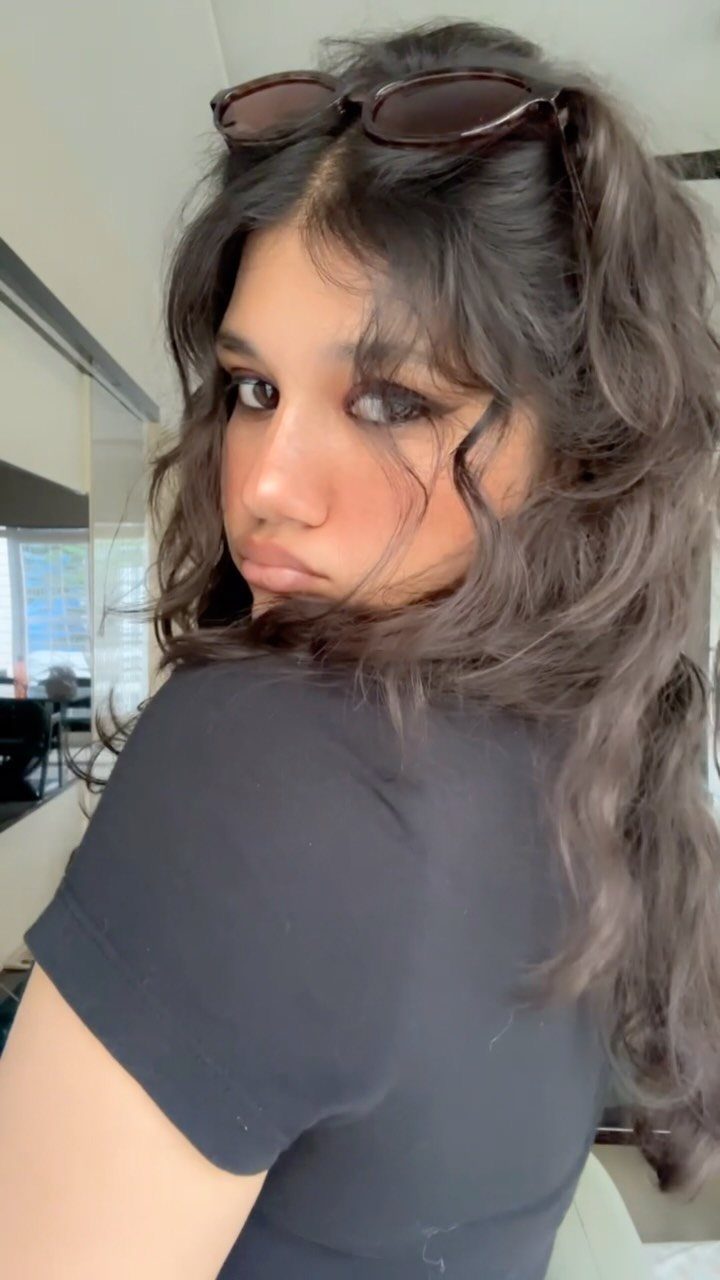
Dark hair gets its best beachy waves when the bends stay loose and uneven, so skip anything that looks like a row of identical ringlets.
Long lengths like this one carry the style easily, and the relaxed shape pairs well with a plain tee and sunglasses pushed back.
I’d keep the ends slightly undone rather than polished. That is what makes it read as natural.
2. Wavy Lob
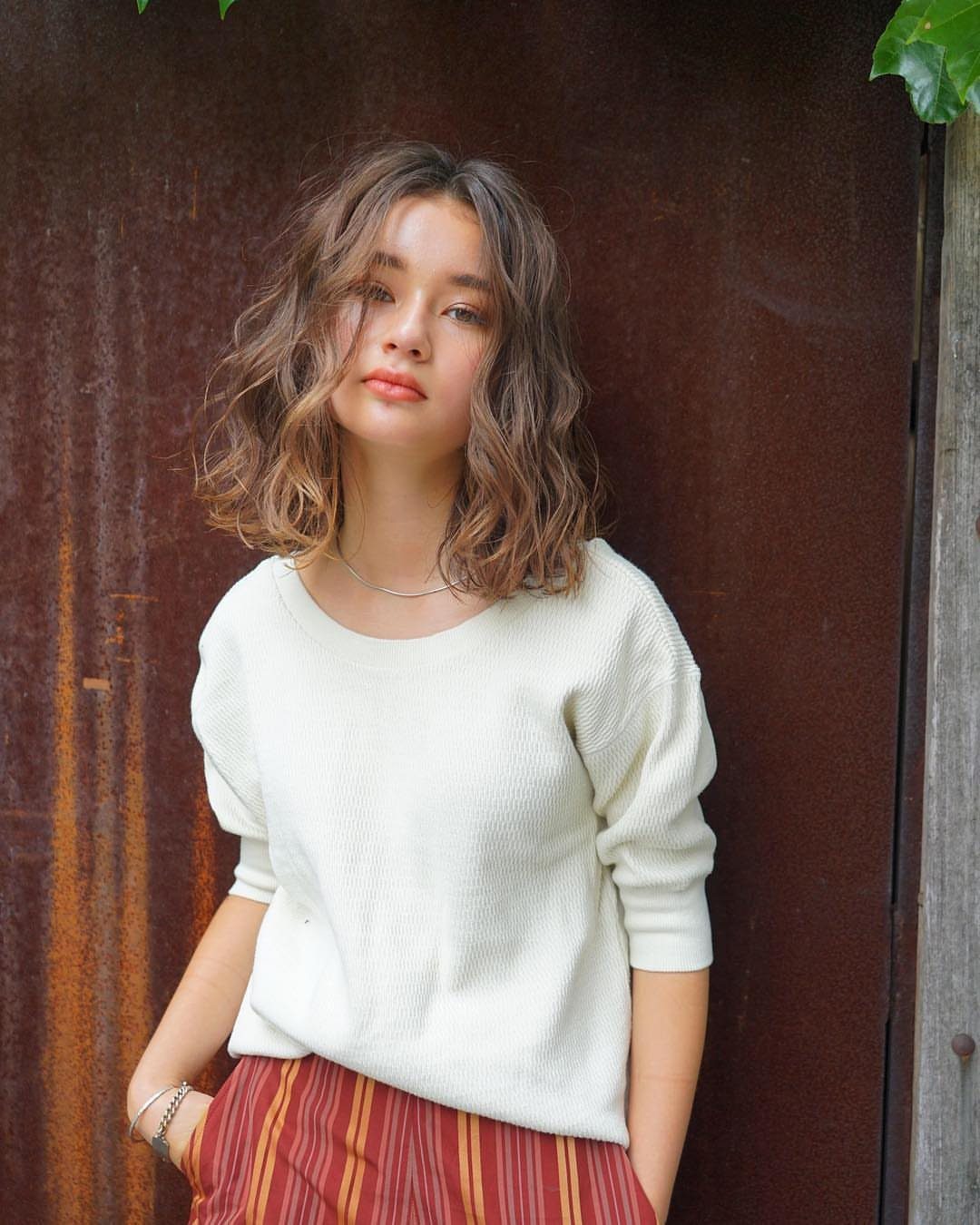
Shoulder-length cuts show off wave better than most lengths, because the hair has enough weight to fall in soft S-shapes but not enough to pull them flat.
A wavy lob also moves when you walk, which a blunt straight bob can’t do.
For work and weekends alike, it sits well above a sweater collar. I’d ask for a cut that follows your natural bend instead of fighting it.
3. Romantic Half-Updo
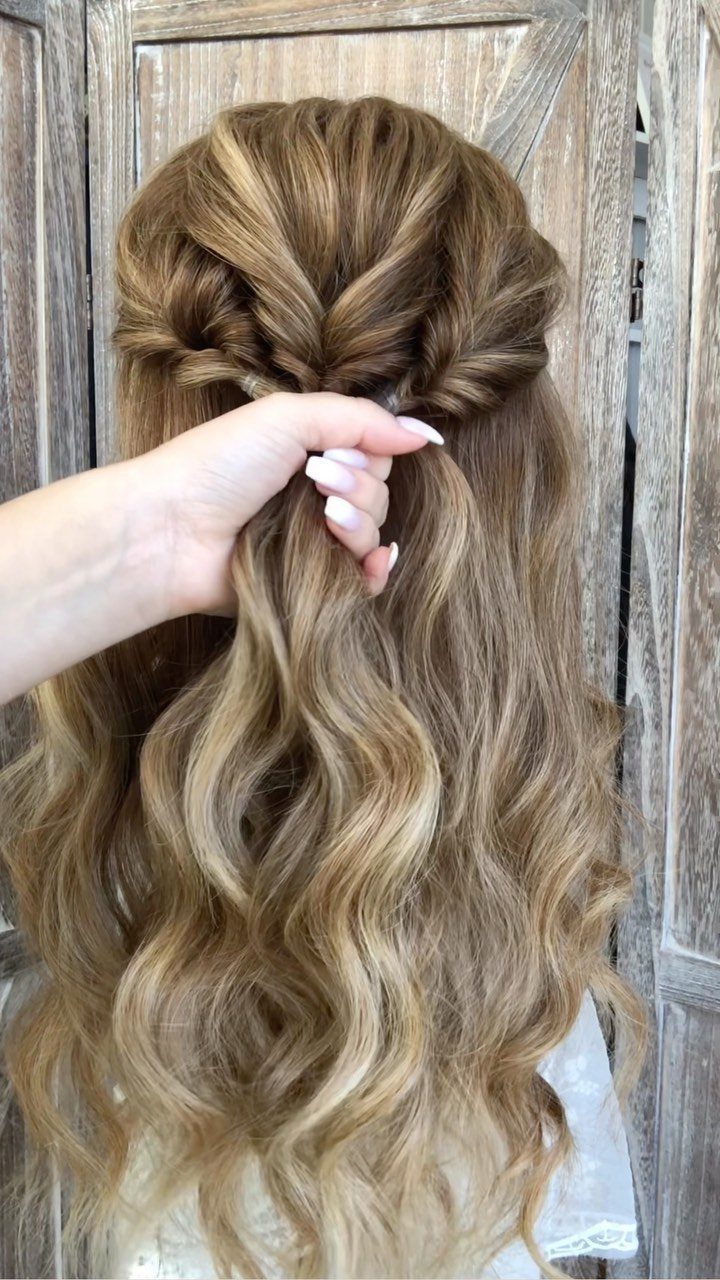
A half-updo keeps loose waves off your face while the length still falls down your back. Twisting the top section before pinning it gives the look its romantic finish.
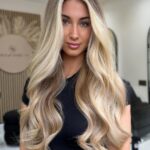
I like it best on honey-blonde or any shade with some dimension, since the twist shows off the color. Leave the lower waves loose and soft so the pinned section looks like a deliberate touch, not a fix.
4. Voluminous Curls
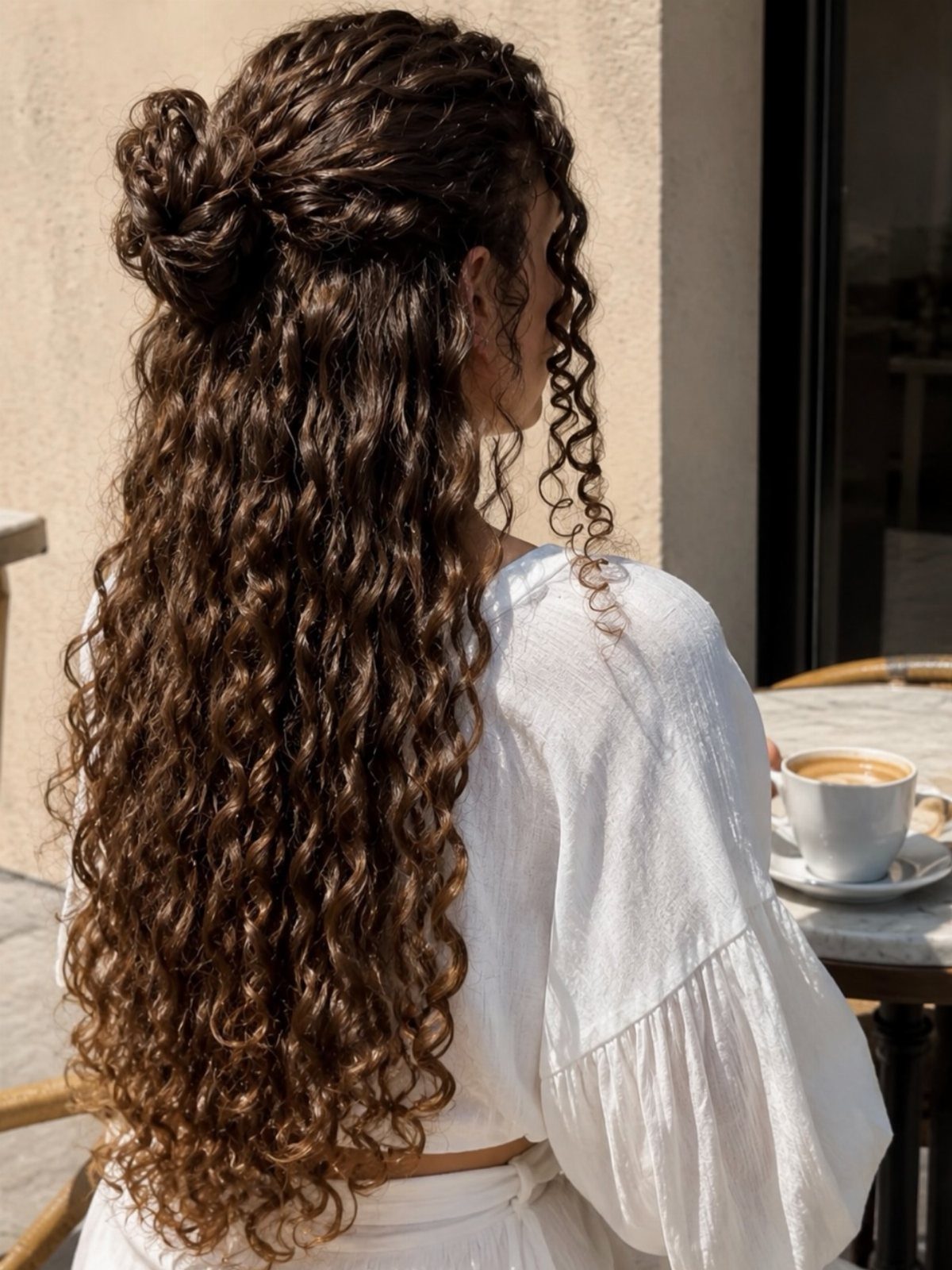
Curls with real volume sit between loose beach waves and tight coils, and that middle ground is why I like them.
Pulling part of the hair up, as in a half-updo, keeps the size under control while the length still shows.
Voluminous curls suit casual daytime plans and dressier evenings alike, and they look especially good against a plain, simple top like a white blouse that lets the hair carry the outfit.
Let the curls dry with their natural shape instead of brushing them out.
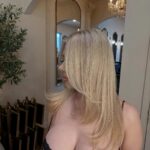
5. Curtain Bangs with Layered Wavy Hair
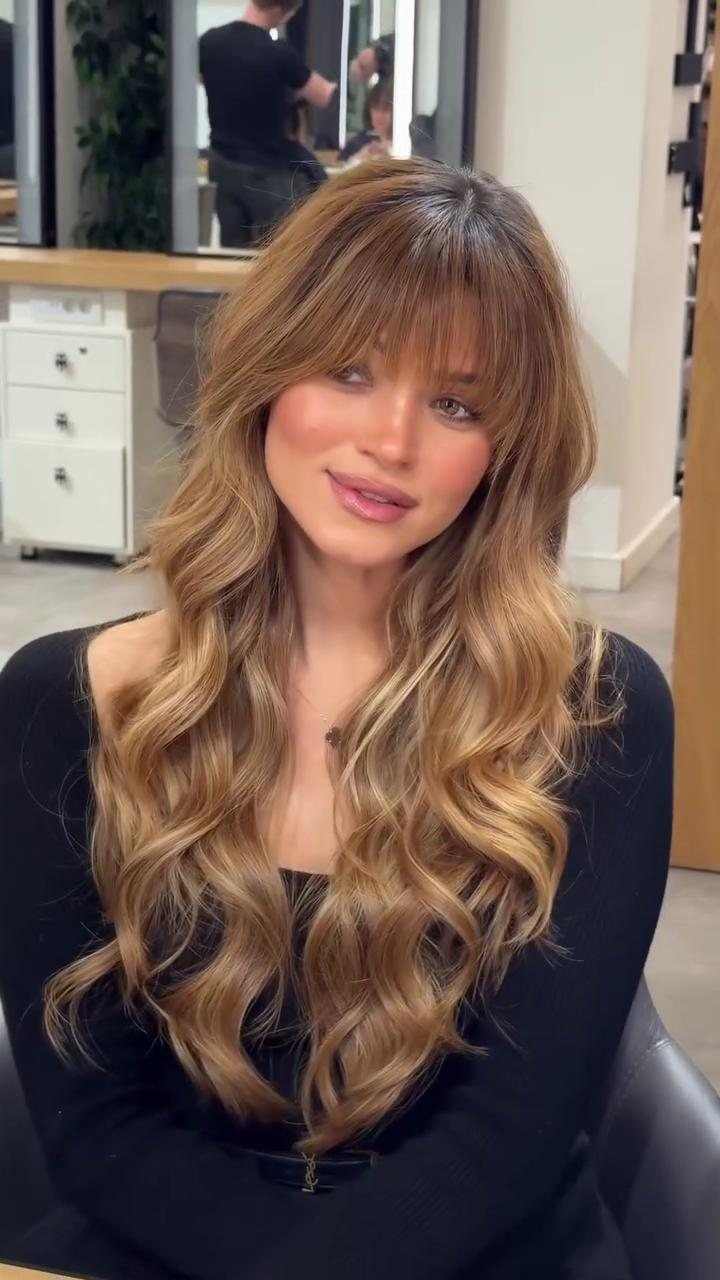
Curtain bangs part in the middle and sweep to each side, and on layered waves they frame the face with very little effort. The layers keep the length from feeling heavy, so the waves bounce.
Honey-blonde shades show the layering clearly. Expect some upkeep, since bangs need regular trims to stay at the right length around your cheekbones.
6. Textured Pixie
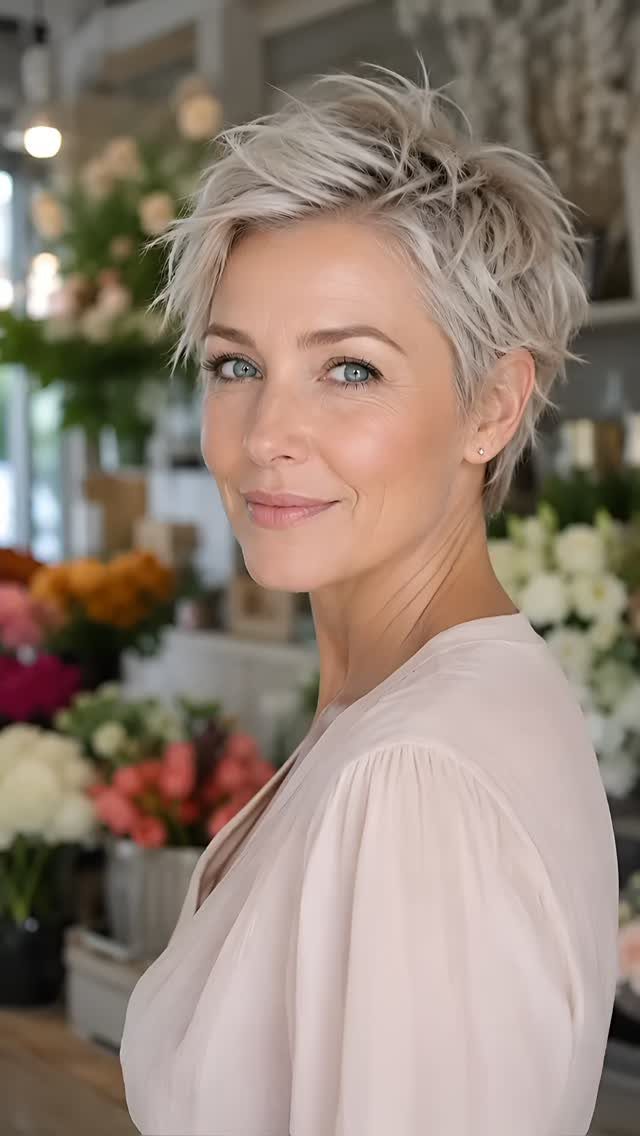
Short hair rarely looks as soft as a textured pixie on natural wave. The bend gives the cropped layers lift on top without any heavy styling, and it suits a light blouse and a polished, easy look.
Blonde shows the texture well. If you’re nervous about going this short, a pixie is one cut where wavy hair does half the work for you.
7. Chin-Length Bob
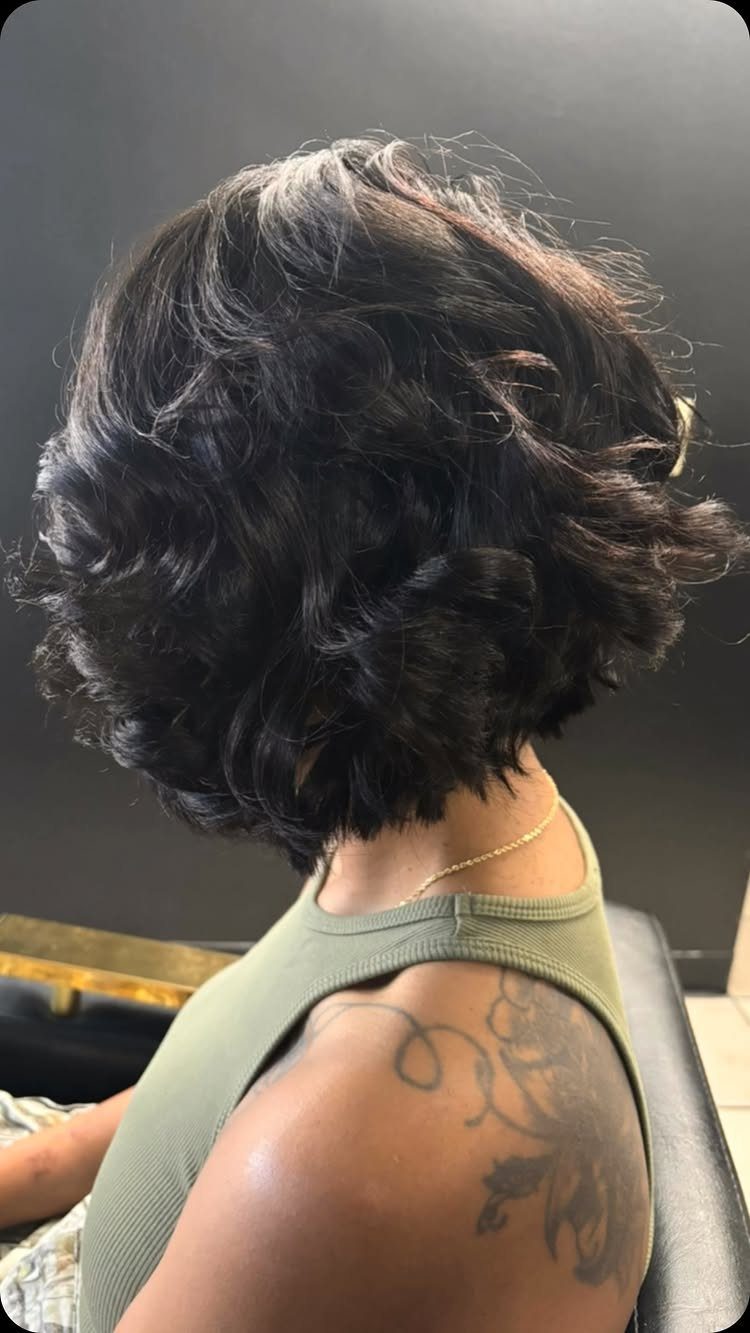
A chin-length bob cut with wave in mind lets the bend do the shaping, so the ends turn in or out on their own instead of sitting in a flat, blunt line.
From the back, the dark color shows every curve of the cut.
The length also leaves your neck and shoulders bare, which suits a tank, a collared shirt or a visible tattoo.
I’d ask the stylist to cut it dry, or at least check it dry, so you can see where your waves spring up before anything gets shortened.
8. Voluminous Ponytail with Tousled Waves
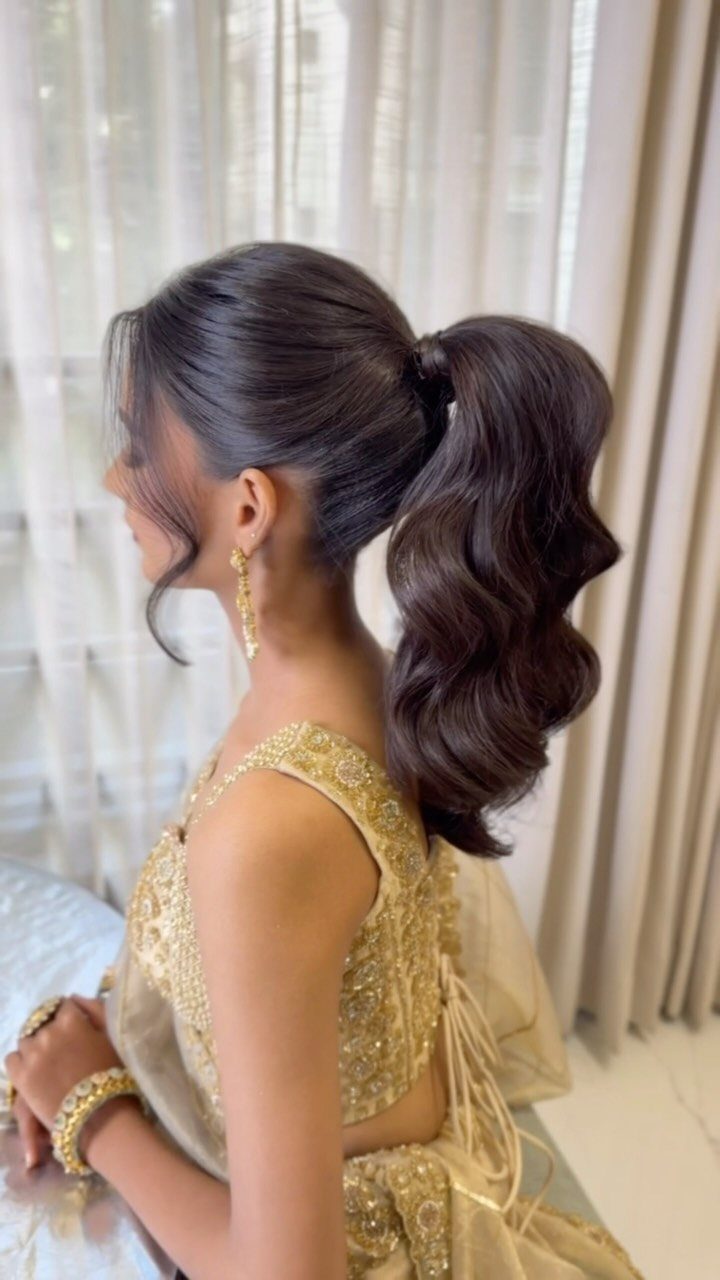
Ponytails earn their reputation because one elastic changes the whole outfit, and a high one with tousled waves adds height instead of a flat, slicked-back finish. Leave a few loose pieces at the front so it reads soft.
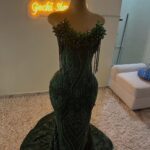
This works best with a dress that has detail near the neckline or shoulders, since pulling the hair up puts them on display.
Jewelry shows too. I’d wrap a small section of hair around the elastic to hide it.
9. Vintage Waves
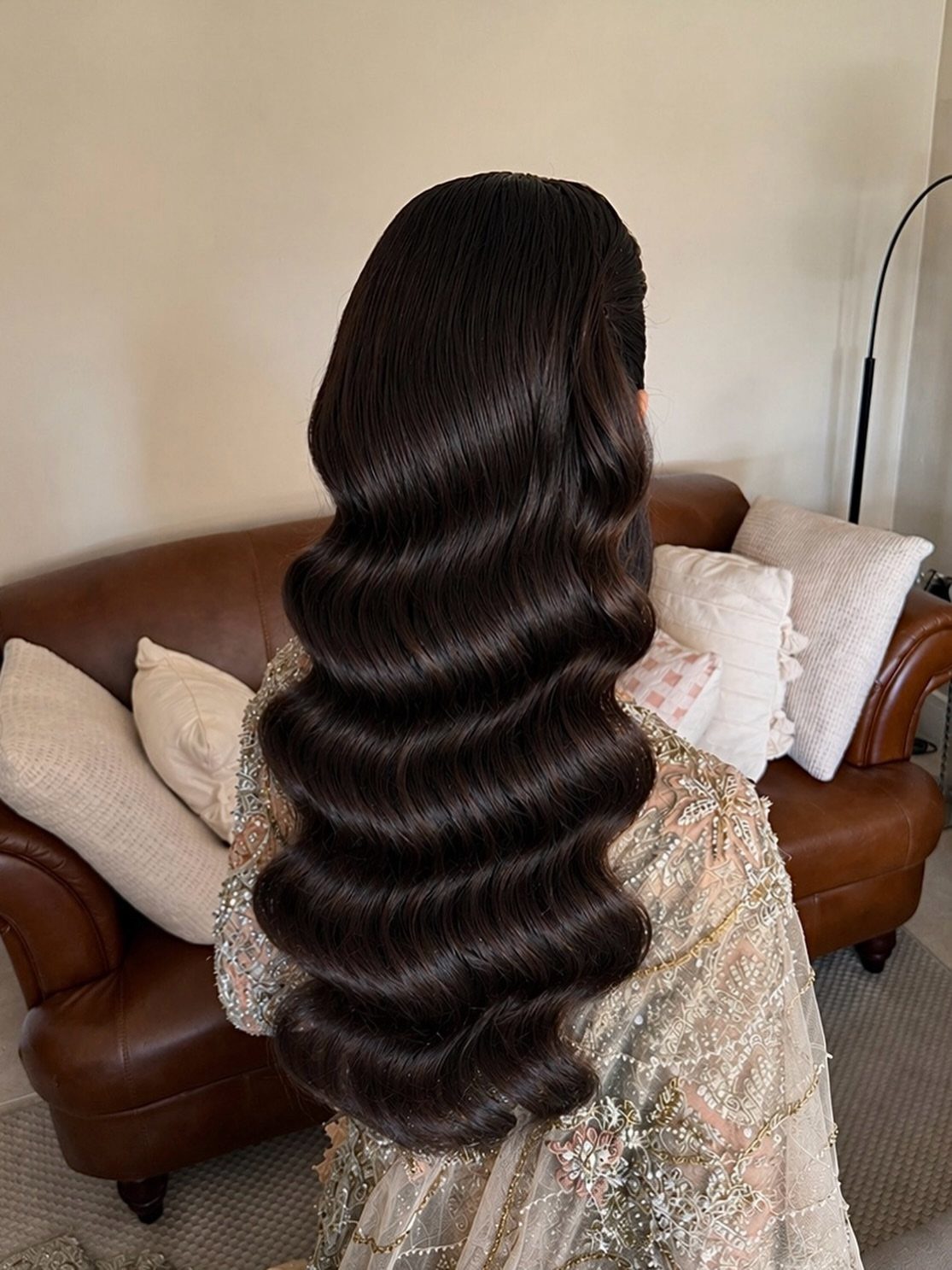
Vintage waves look polished because each S-shape is smooth and defined, with a glossy finish instead of frizz.
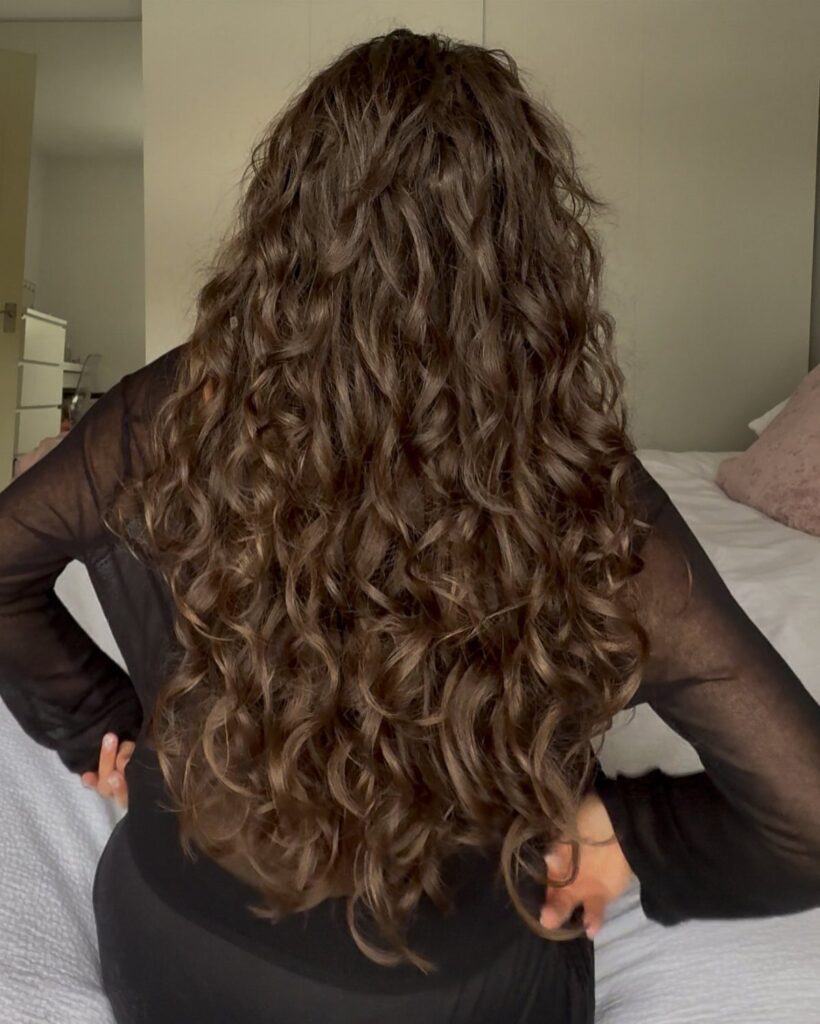
Shine does half the work on vintage waves, especially on dark brown hair, so finish with a light serum or glossing spray after brushing the curls out.
Brush the waves out gently once they cool so they join into one soft sweep, not separate curls.
The style pairs well with a dress that has some embellishment, since the hair already looks dressy. I’d save it for evenings and events, as it asks more upkeep than loose beach waves.
10. Bouncy Waves
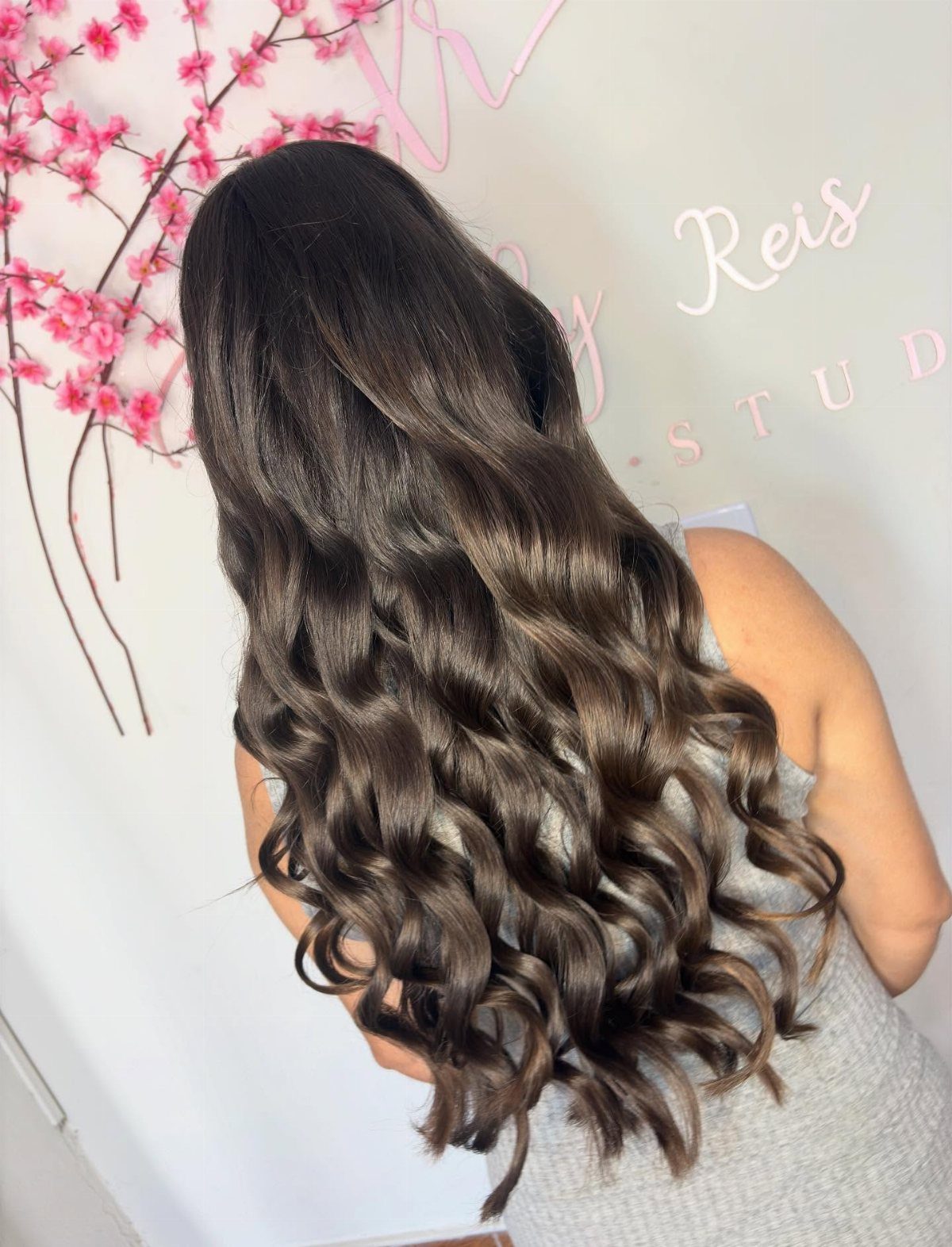
Bouncy waves are about lift at the roots and movement through the lengths, so the hair swings when you turn your head. Long dark brown hair shows that shine well.
Aim for body, not tight curl.
I’d keep the shape full and soft, and skip heavy brushing afterward, which pulls the bounce out. It works for casual days or a dinner out, with almost any neckline.
Choosing the Right Wavy Hairstyle
Face shape, hair texture and lifestyle decide whether a wavy style works for you, and lifestyle is the one people skip. A cut that demands a long diffuser session every morning won’t survive a busy week.
Start with texture.
Loose waves and tighter curls behave differently, so a cut built for one can look wrong on the other. Check your own curl pattern after a wash, before any product goes in.
Face shape comes next. Look at where a style puts its width and its length, then ask whether that frames your face or fights it.
If you can, preview a cut on a selfie with a try-on app before the salon visit. It won’t be exact, but it catches obvious mismatches.
Maintaining Healthy Waves
A regular trim holds the cut’s outline and stops split ends from creeping up the strand.
Hydration matters as much as the cut. A weekly leave-in conditioner feeds dry strands and calms frizz.
On non-wash days, a light mist of water and a scrunch of foam will wake the waves back up.
Detangle with a wide-tooth comb or your fingers so you don’t break up the wave pattern.
Spray on a heat protectant before the curling iron or flat iron touches your hair.
For touch-ups, a large-barreled curling iron is a good choice. Air dry whenever you can.
Styling Tips for Wavy Hair
Lightweight products win on wavy hair. Heavy creams drag the bend flat, so start with a small amount on damp hair.
A thickening serum adds body without extra weight. Brushed-out waves with a side part flatter most face shapes, whether your hair is medium or long.
For everyday wear, a curl-defining cream controls frizz while keeping the natural texture. Loose ponytails are an easy fallback.
For a formal night, side-swept waves with polished accessories look right, and a flexible shaping spray holds them without a stiff, crunchy feel.
For a relaxed finish, tousle with a texture spray.
9 out of 10 times, that means a cut with some type of layering going on. Adding layers to your hair will give form and shape to your waves – plus they can give you hair added volume and make your hair look thicker and fuller too.
Frequently Asked Questions
How do you tell if your hair is wavy?
Start with freshly washed, product-free hair and let it dry on its own; the pattern that shows up is your real one.
Wavy hair is also called Type 2 and falls into 3 categories, 2A, 2B and 2C, based on how pronounced the waves are.
What haircut looks best on wavy hair?
Layers are my usual pick, since a little cut-in movement lets each wave stack and spring instead of hanging in one heavy sheet.
Cutting with your natural bend, not against it, is what keeps the shape from sulking by midday. A wavy lob, curtain bangs on layered waves and a textured pixie are all cuts where the bend does much of the work.
Should wavy hair be layered?
Yes, in most cases.
Layers reduce bulk, add volume and let waves spring up instead of hanging heavy at the ends. Hair that frizzes fast does better with long, blended layers; short, choppy ones leave ends that puff out.
What is the best length for wavy hair?
Shoulder length, or just below, works best for most people. Around collarbone to mid-chest, the strands carry just enough weight to settle into soft S-shapes without dragging the wave out.