Face-framing highlights on brown hair run from chocolate pieces only a few shades lighter than your base to a blonde money piece that sits in two chunky front sections.
Regrowth and contrast should decide your pick, because soft blends like balayage and caramel stretch longer between touch-ups, while a bright, chunky money piece shows its roots sooner.
Skin tone then sets the shade, with warm or golden skin leaning toward caramel and honey, and cool or pink-toned skin toward ash or cooler blonde.
1. Honey Blonde Highlights
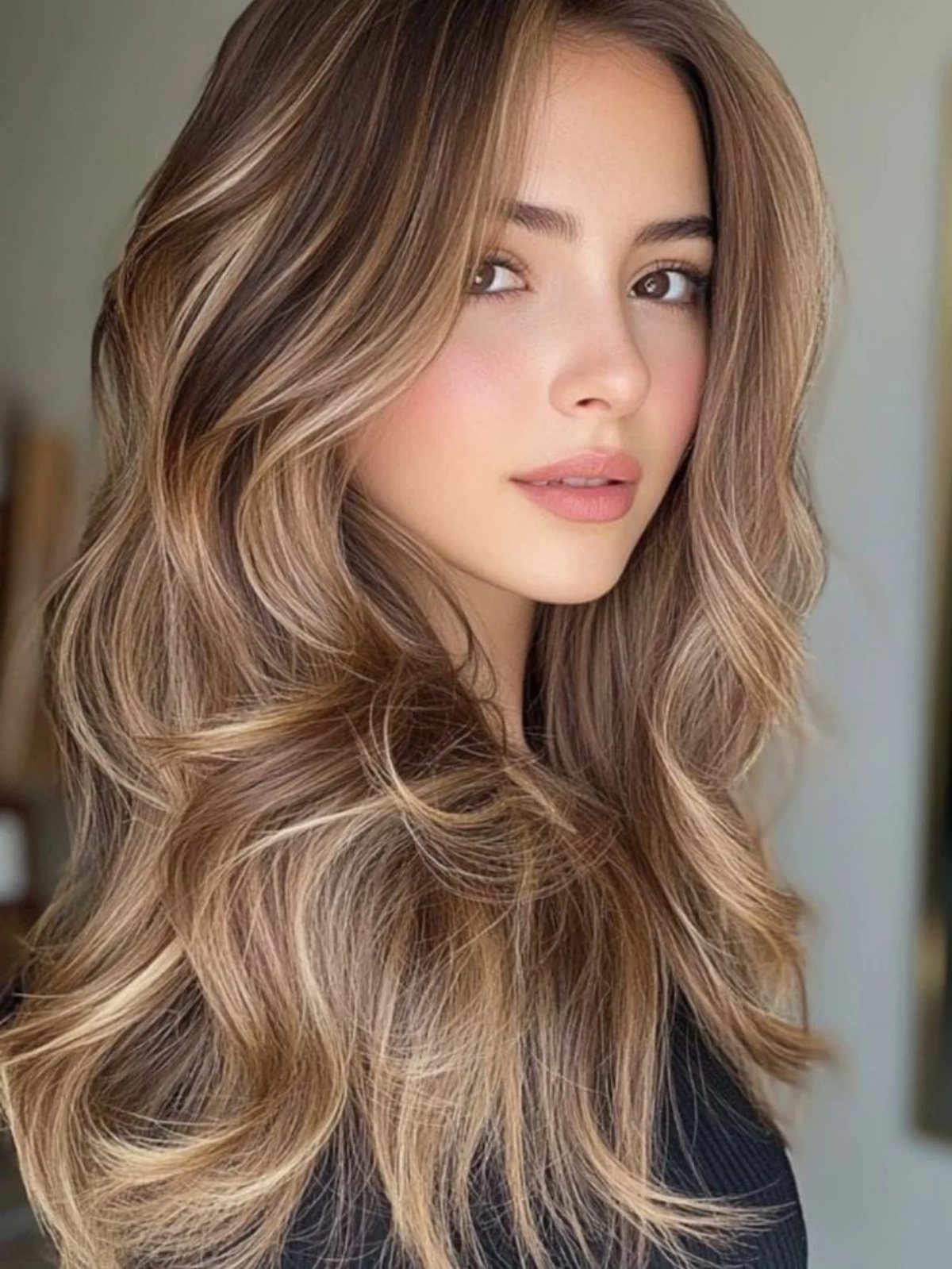
Brightness is the whole appeal here: honey blonde placed right at the front pieces lights up the face against a brown base. Brown hair gives it contrast, so the color reads clearly even at a distance.
Ask your colorist for honey tones rather than a pale blonde, since the warmth is what keeps it soft against brown.
It is a bolder choice than caramel, and I would pick it if you want the change to be obvious.
2. Caramel Face-Framing Highlights

Caramel sits closer to brown than any blonde does, which makes it the easiest face-framing color to live with. The warm tone brightens the area around the cheeks and jaw without a hard line.
For a reader who wants quality over fuss, this is my pick for a first round of highlights. Bring a photo to your colorist and say "caramel," not "blonde," so the warmth stays in.
3. Softly Blended Balayage Highlights
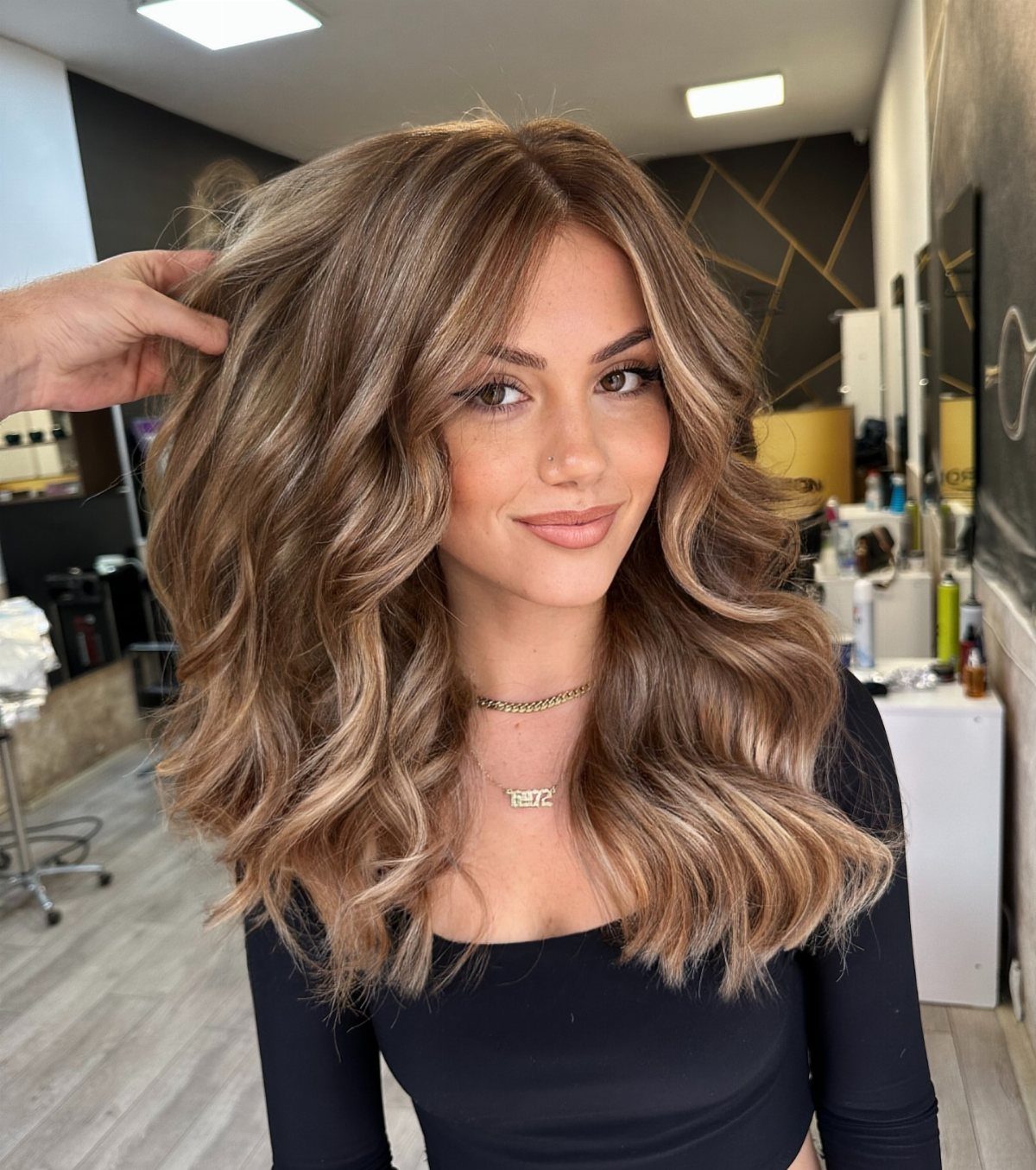
Balayage is painted on by hand, so the color melts from brown into caramel without a stripe. That softness is why it suits women who want highlights nobody can pin to a salon date.
I like it for anyone who dislikes visible regrowth lines, because the blend has no sharp edge to grow out.
Balayage this soft reads as subtle, so if you want a visible change from across the room, a bolder placement will suit you better.
4. Loose Waves with Highlights
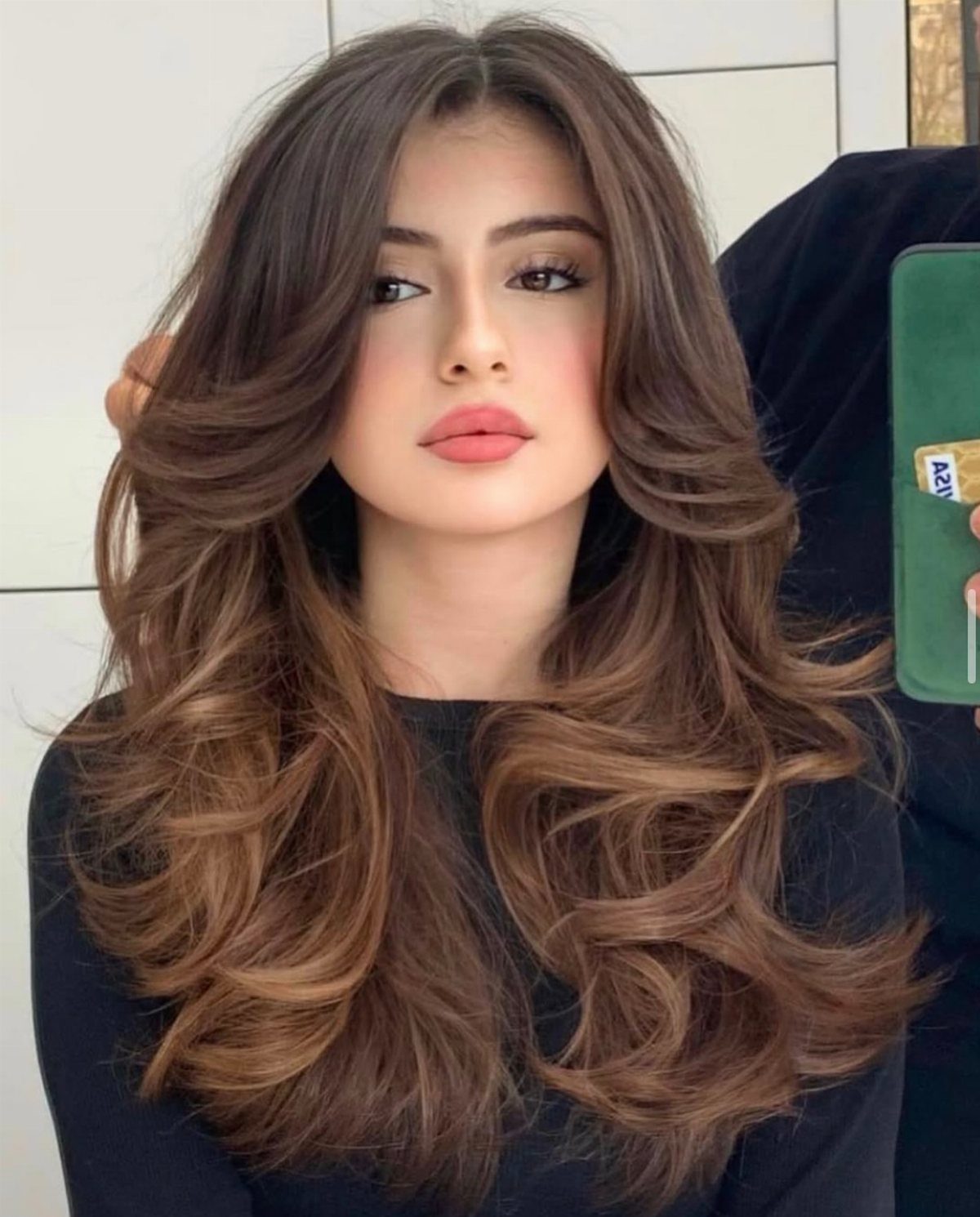
Loose waves give highlights movement, and movement is what shows off the lighter pieces at the front. Flat, straight hair hides some of that dimension; waves let brown and caramel catch the light in layers.
Keep the waves relaxed and undone, with volume at the crown. Tight curls would shrink the highlights, so I would stay with a loose bend.
5. Chocolate Brown Highlights
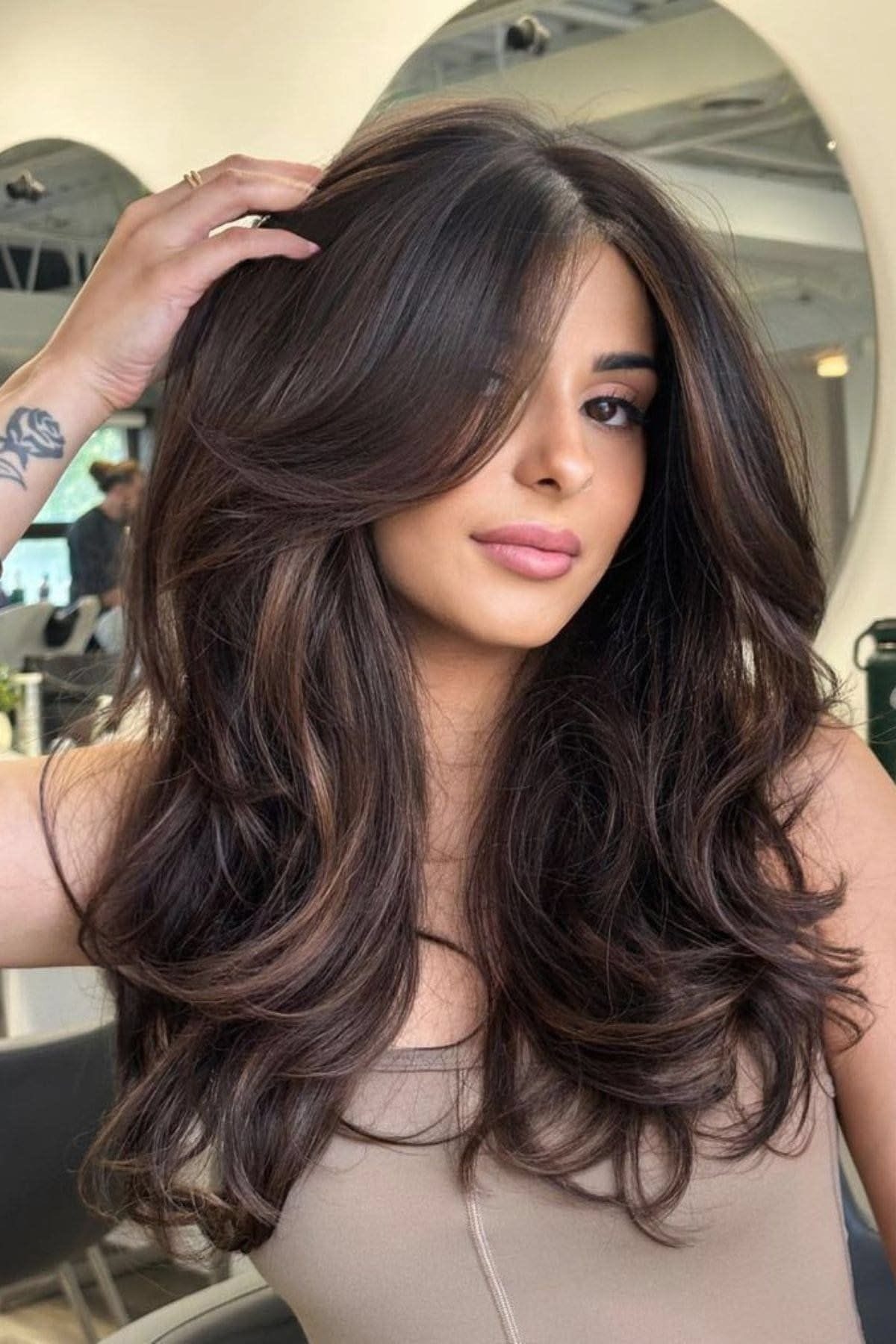
A rich chocolate base with subtle highlights is the quiet option: depth first, lightness second. The highlights stay close to the base shade, so the face gets a gentle lift rather than a contrast.
This suits anyone nervous about going blonde. Ask for highlights only a few shades lighter than your base, and the result stays glossy and low maintenance.
6. Blonde Money Piece
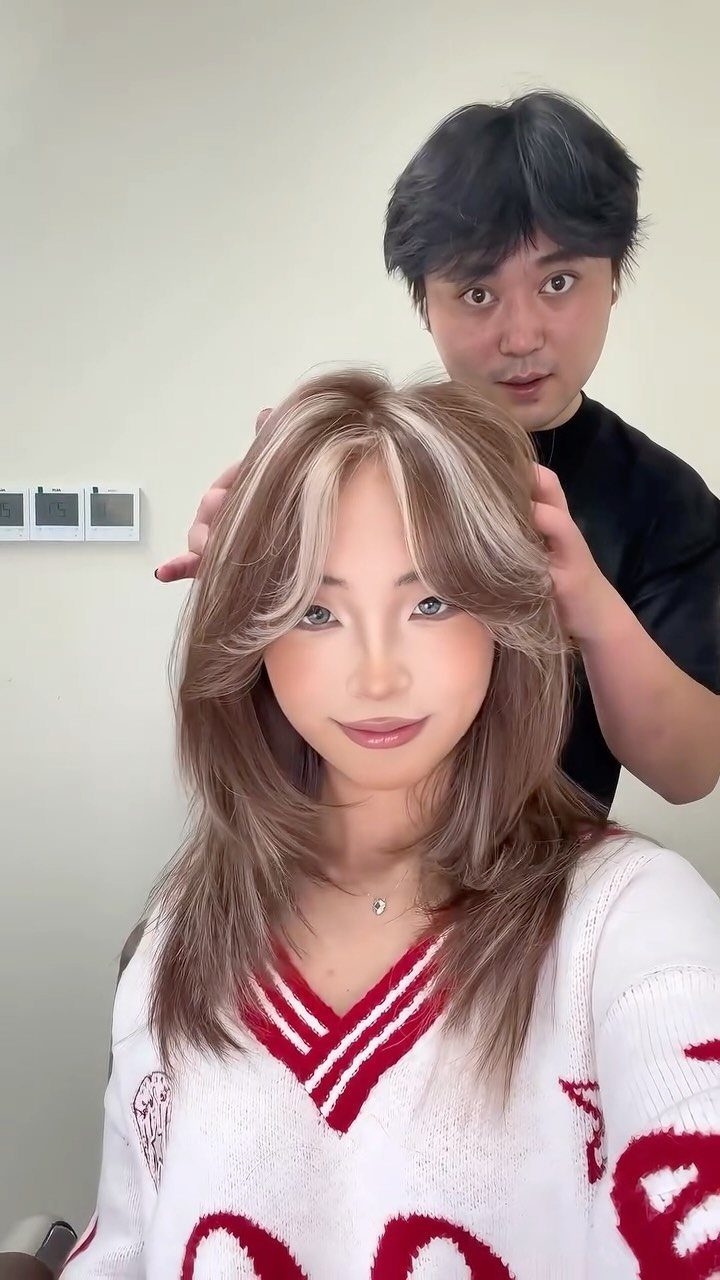
The money piece is two chunky blonde sections right at the front, and the contrast with brown is the entire point.
Since the color sits only in the front pieces that frame your cheeks and jaw, a colorist can lighten it without touching the rest of your hair.
I would choose it if you want a high-contrast look that still feels contained. Be honest with yourself about upkeep: bright, chunky color shows its roots sooner than a soft blend.
7. Long Layered Haircuts with Highlights
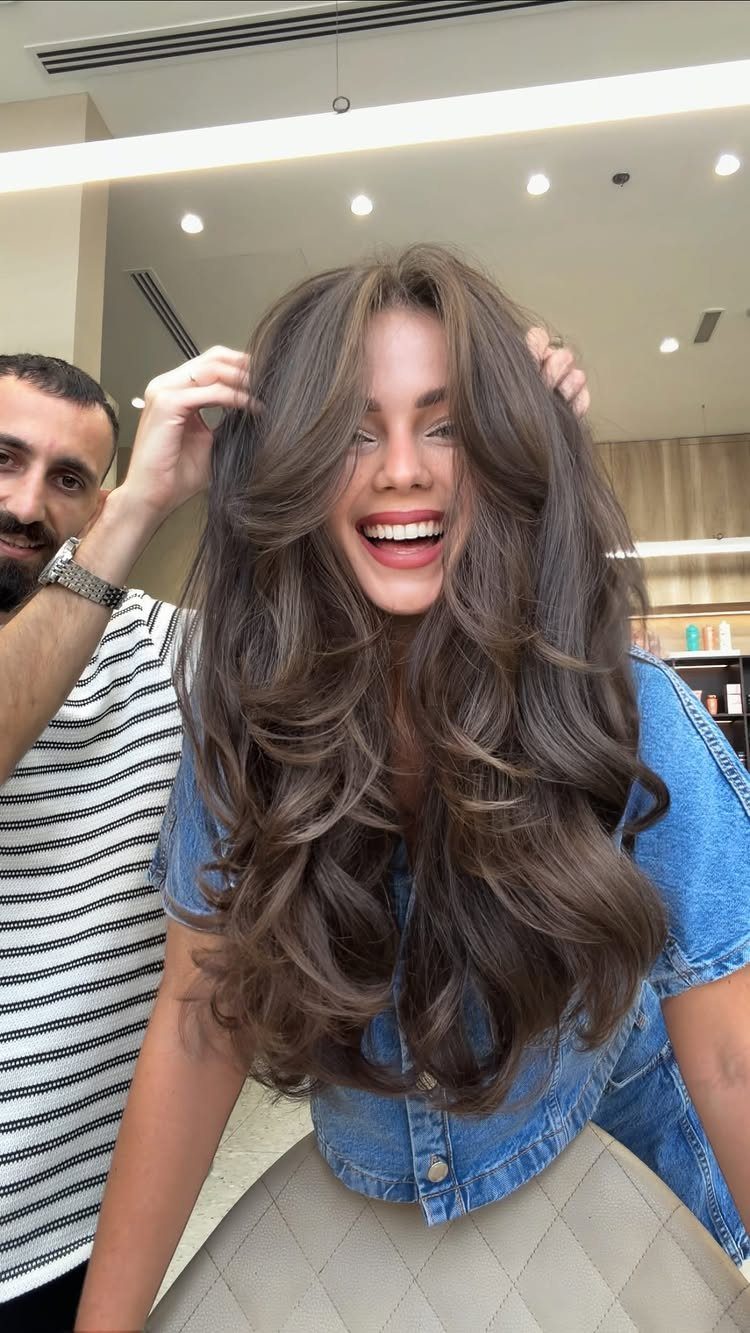
Layers are what make long brown hair move, and highlights follow that movement, so the lighter pieces fall in different places instead of sitting in one flat block. Caramel tones against the brown base look natural on this length.
Tell your stylist you want the layers and the color planned together.
Cutting first lets the highlights be placed around the shape rather than chopped through it. Long hair also leaves room to grow the cut out gracefully, which suits readers who prefer quality over frequent salon trips.
8. Short Hair with Face-Framing Highlights
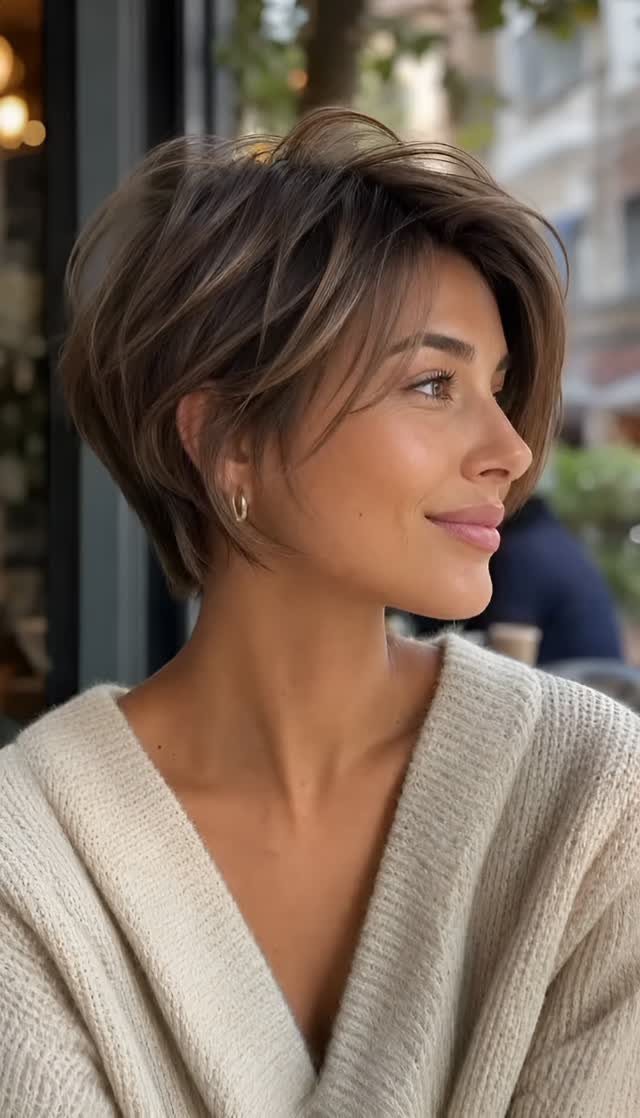
On a short bob, a few light brown pieces near the face do a lot of work, because there is so little hair to carry the color.
Keep them only a shade or two above your base and the look stays soft instead of striped.
Short hair leaves little length to blend, so place the highlights precisely and keep them thin. I would pick light brown over a bright blonde here: it brightens the cheeks and jaw, and a trim never removes the whole effect.
Choosing the Right Highlights
Skin tone decides whether a highlight looks bright or brassy, so hold a few swatches or photos against your bare face in daylight before you book.
Warm or golden skin usually does well with caramel and honey shades. Cool or pink-toned skin often looks better with ash or cooler blonde tones.
Placement matters as much as shade. Money piece and balayage arrangements both keep the lightest color near the cheekbones and jawline, but they suit different habits: one is a sharp frame, the other a soft glow.
Pick the one that matches how you actually dress and style your hair most days.
If you live in simple, neutral clothes, a softer blend tends to look more natural, and a bolder front section works if you want your hair to be the accent.
Maintenance Tips
Color-safe shampoo and conditioner are the easiest habit to keep. Sulfate-free formulas are gentler on lightened pieces, and washing less often helps the color last.
Lightened strands are drier than the rest of your hair, so use a deep conditioning mask once a week. A heat protectant before any hot tool matters too, since heat dulls the tone fast.
Warm tones like caramel and honey can drift brassy over time.
A purple or blue toning shampoo only helps if the highlights have gone brassy in a way you don’t want, and on purposely warm shades like caramel or honey it strips the warmth and leaves the color dull or ashy.
Book touch-ups when the roots start to show, not on a fixed date. Soft blends can wait longer than bright, chunky sections, so let your own regrowth set the schedule.
Styling Techniques
Start with a curling iron or wand on the face-framing pieces first. Curl them away from your face, then loosen the curl with your fingers so the lighter strands separate and show against the darker hair around them.
Add volume at the crown before you finish. Lift gives the waves room, and the highlights can then catch light at different depths instead of lying flat.
Medium-length layers take waves especially well, with a soft, tousled finish that looks lived-in. Skip stiff hairspray and use a light texture spray, which keeps the movement visible.
Finish by pulling a few front pieces forward over your shoulders. That small step puts the brightest color right where you want the eye to go.
Frequently Asked Questions
Which highlights suit brown hair?
Caramel and honey blonde are the two I’d start with. Caramel sits close to brown, so it’s the easiest to live with and a good first round.
Honey blonde is the louder choice, with more contrast against brown, so it fits if you want people to notice the change right away. Ask your colorist for the warm tone by name so it doesn’t turn pale.
What do face framing highlights mean?
These are lighter strands placed in the front sections, mostly by the cheeks and jaw, to brighten your features. The look can be a sharp frame like a money piece or a soft glow like balayage.
What is replacing balayage?
Nothing has to replace it, since hand-painted balayage still gives the softest result.
Is brown hair with blonde highlights attractive?
Yes, because brown gives blonde something to stand out against, the color reads clearly and brightens your face. Keeping the blonde warm, such as honey, stops it from looking harsh against the base.