The list runs from a low bun that takes 2 minutes to glass hair where a single flyaway shows, so the real question is how much time you will spend on your hair each morning.
Pick by how much daily styling you will actually do: a low bun, side braid or blunt bob asks for very little, while straight-across bangs and a fluffy blowout need a round brush or flat iron most days.
Cuts also carry upkeep of their own, and the post sets trims at 6–8 weeks.
1. Half-Up Ponytail
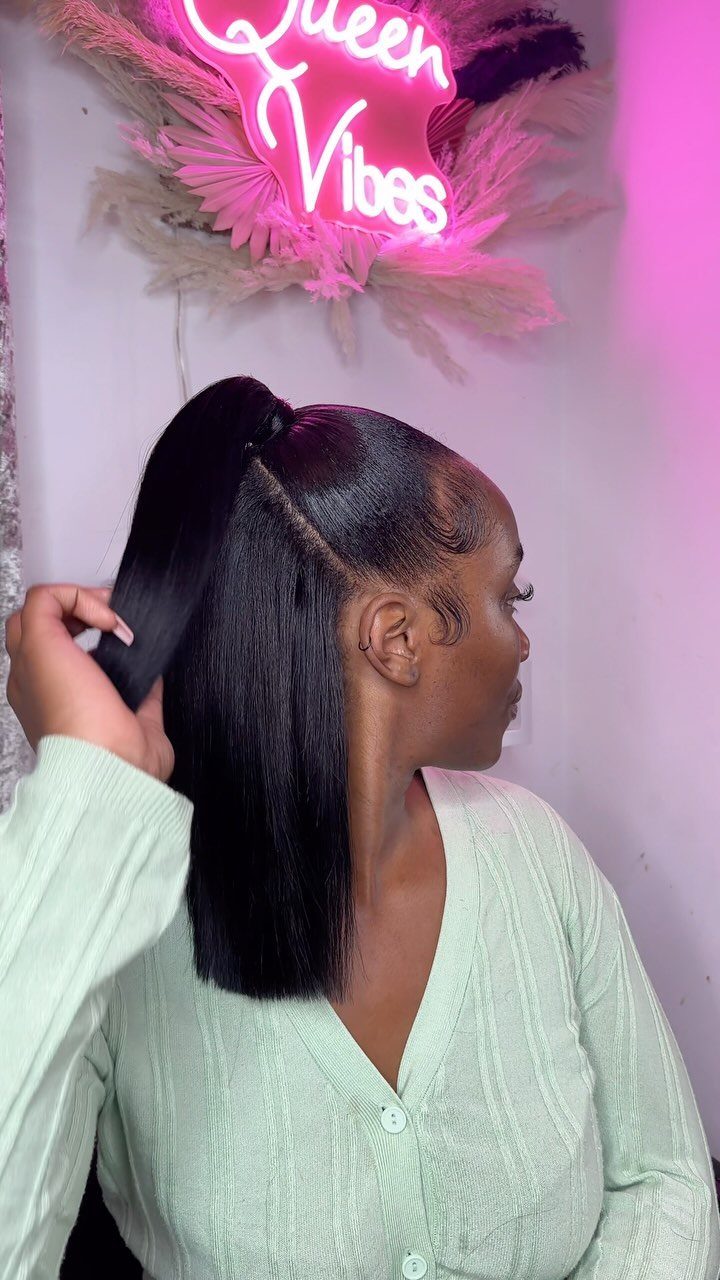
Straight hair holds a half-up ponytail well because the strands lie flat and the crown section looks clean without much work. Gather only the top section, from about ear level up, and leave the rest down so the length shows.
A smooth brush-through before you tie it matters more than any product. A sleek half-up ponytail works with a casual cardigan or a dressier top, so it carries you from errands to dinner.
2. Slicked-Back Ponytail
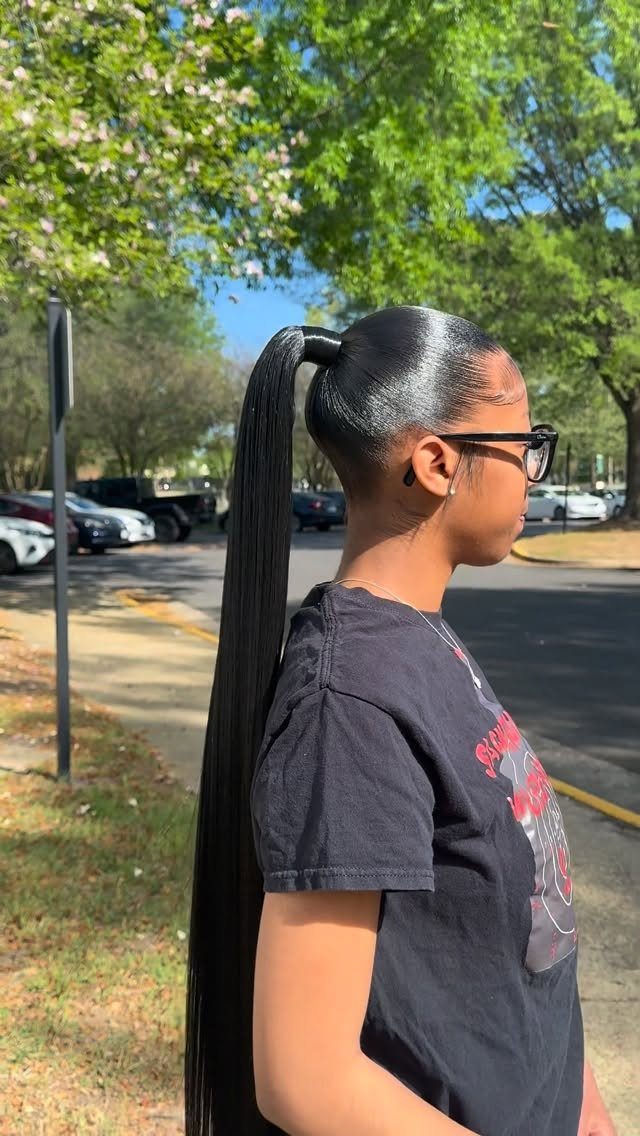
Pulled high and smoothed flat against the scalp, this ponytail puts the whole face on display: cheekbones, jawline, glasses frames. That is also its limit, since there is no fringe or length to soften anything.
Straight hair is ideal for it because the surface stays glassy with a brush and a little smoothing product. I would choose it for days that call for a polished look without much fuss.
3. Layered Bob

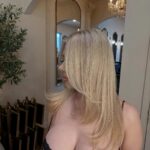
Layers keep a straight bob from looking like a flat slab. Cut at different lengths through the ends, they let the hair move and give fine strands some visible texture.
Ask your stylist for soft layers rather than choppy ones, and mention bangs up front, since the fringe should blend into the shortest layer. A light blonde shows the layering clearly.
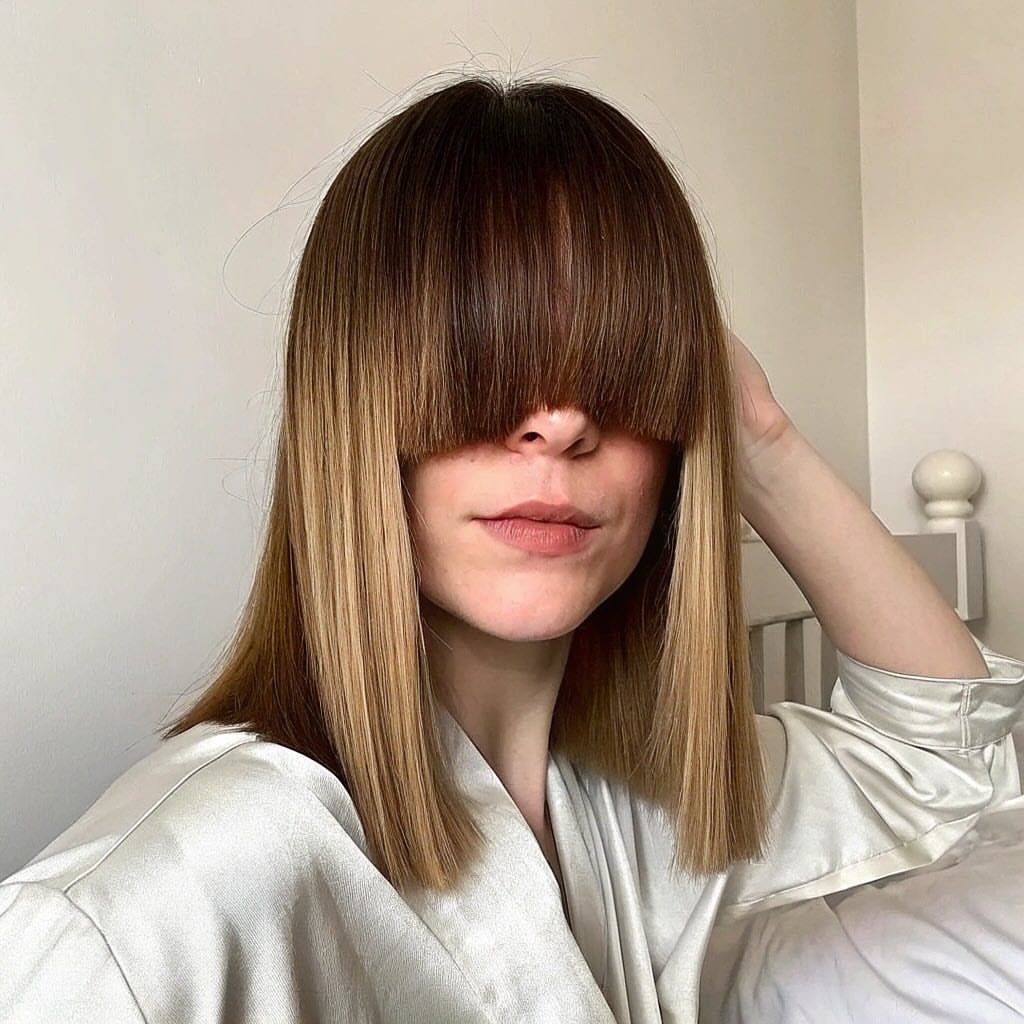
4. Straight-Across Bangs
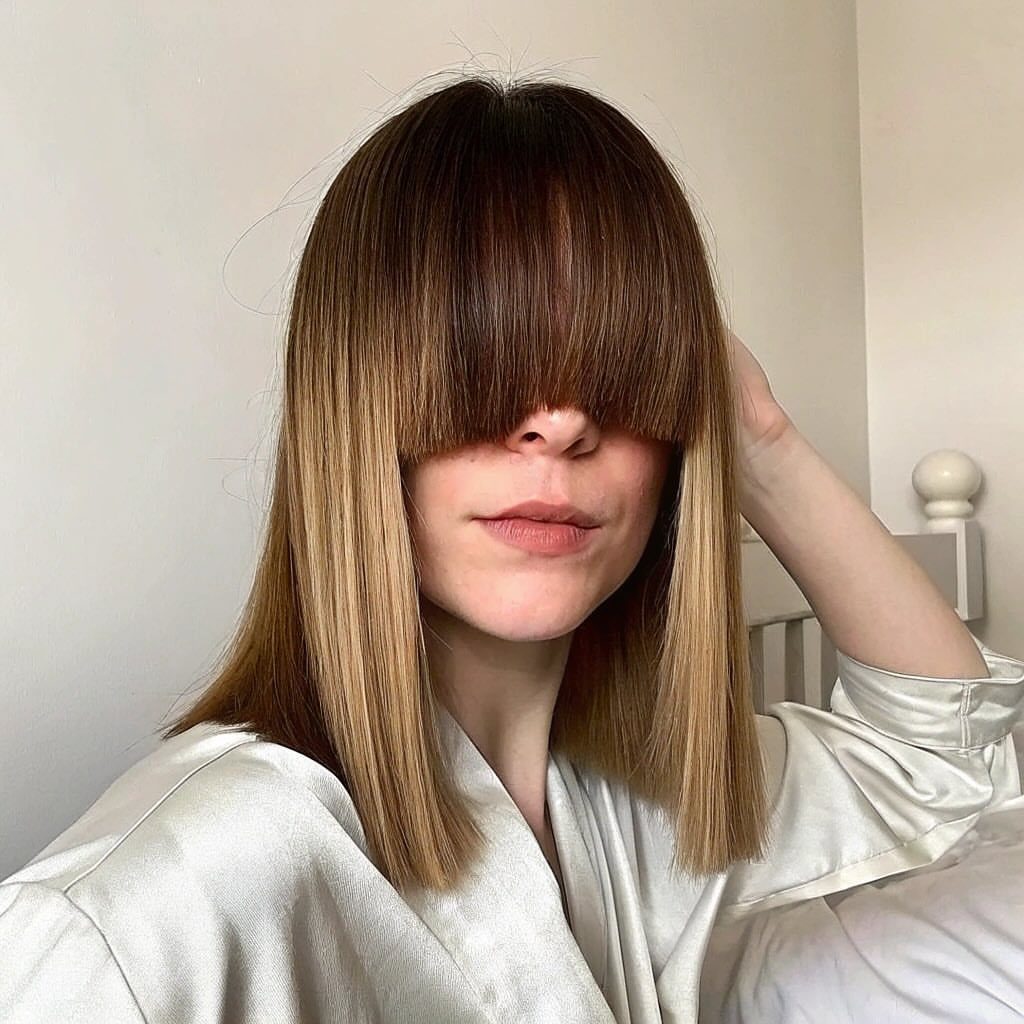
Long, heavy bangs cut in one straight line across the forehead, grazing the eyes, make a graphic frame for pin-straight hair. They look best when the hair beneath is just as smooth.
Expect upkeep: bangs this length get oily and need regular trims to stay even. I would try them only if you are happy to style them daily, because a damp, unbrushed fringe splits quickly.
5. Feathered Pixie
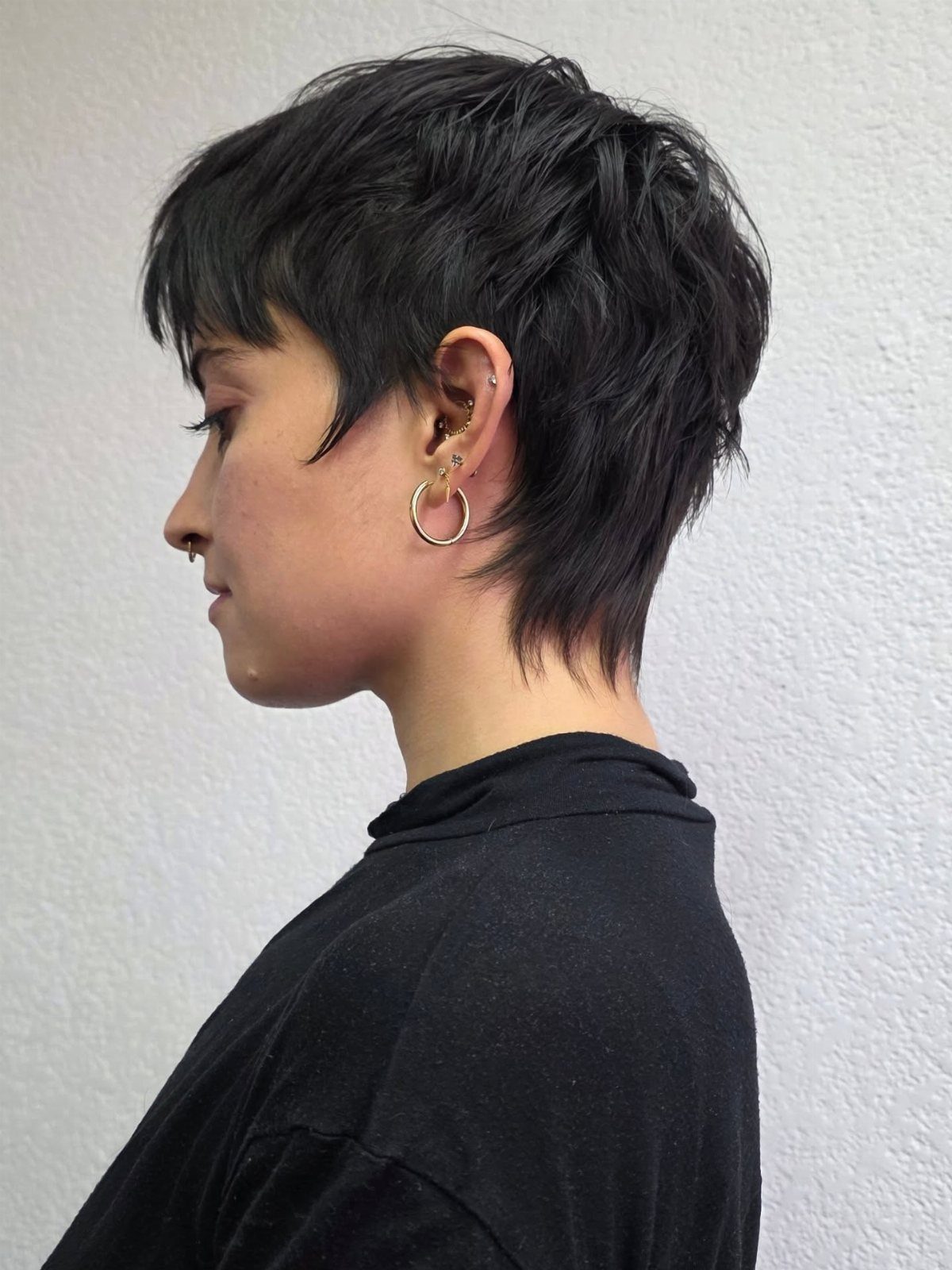
A feathered pixie keeps the sides and back short while the layers on top taper into soft, wispy ends. On straight hair, those ends look light and deliberate rather than spiky.
A feathered pixie is a good pick when you want almost no styling time, and gold hoops balance the exposed ears and neck. Commitment is the cost: regrowth takes a while, so choose your stylist carefully.
6. Blunt Bob
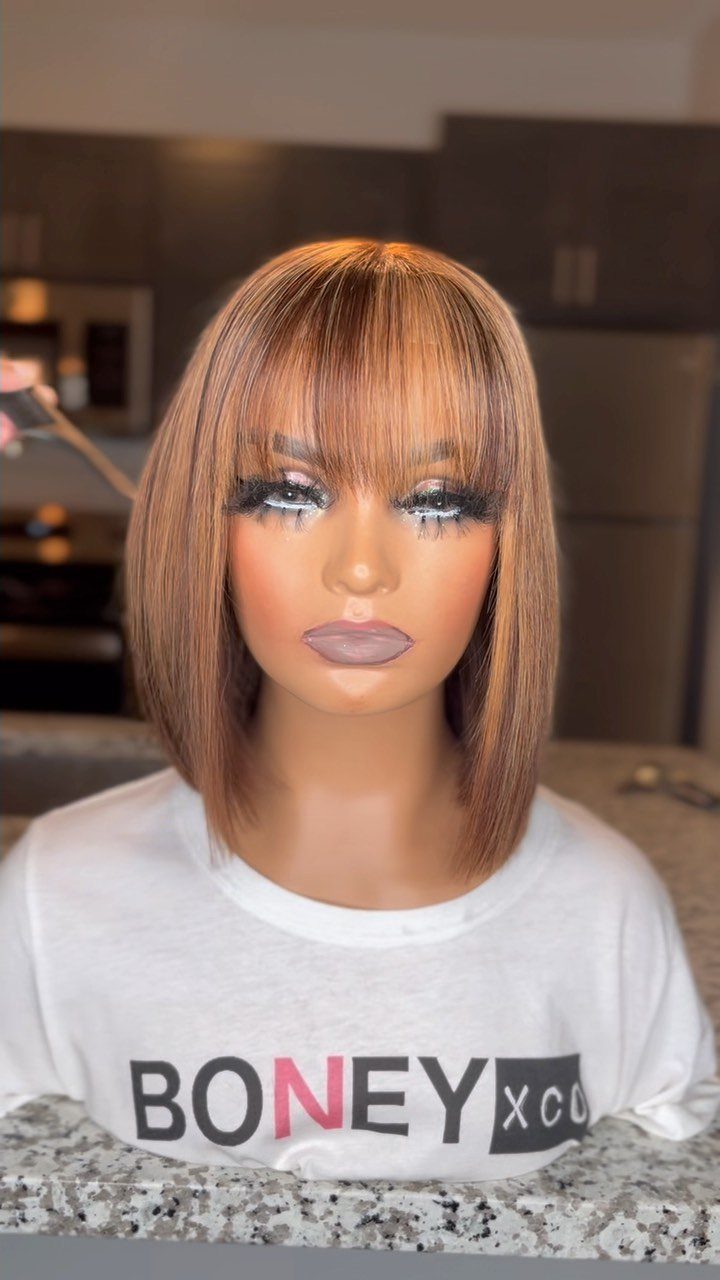
A blunt bob is one even line at the jaw, no layers, which makes straight hair look thick and shiny. Full bangs finish the shape of a blunt bob.
It asks very little: air-dry and comb, or run a flat iron over it for a minute. I like it for a sharp cut that needs only a trim every so often to hold its edge.
7. Low Bun
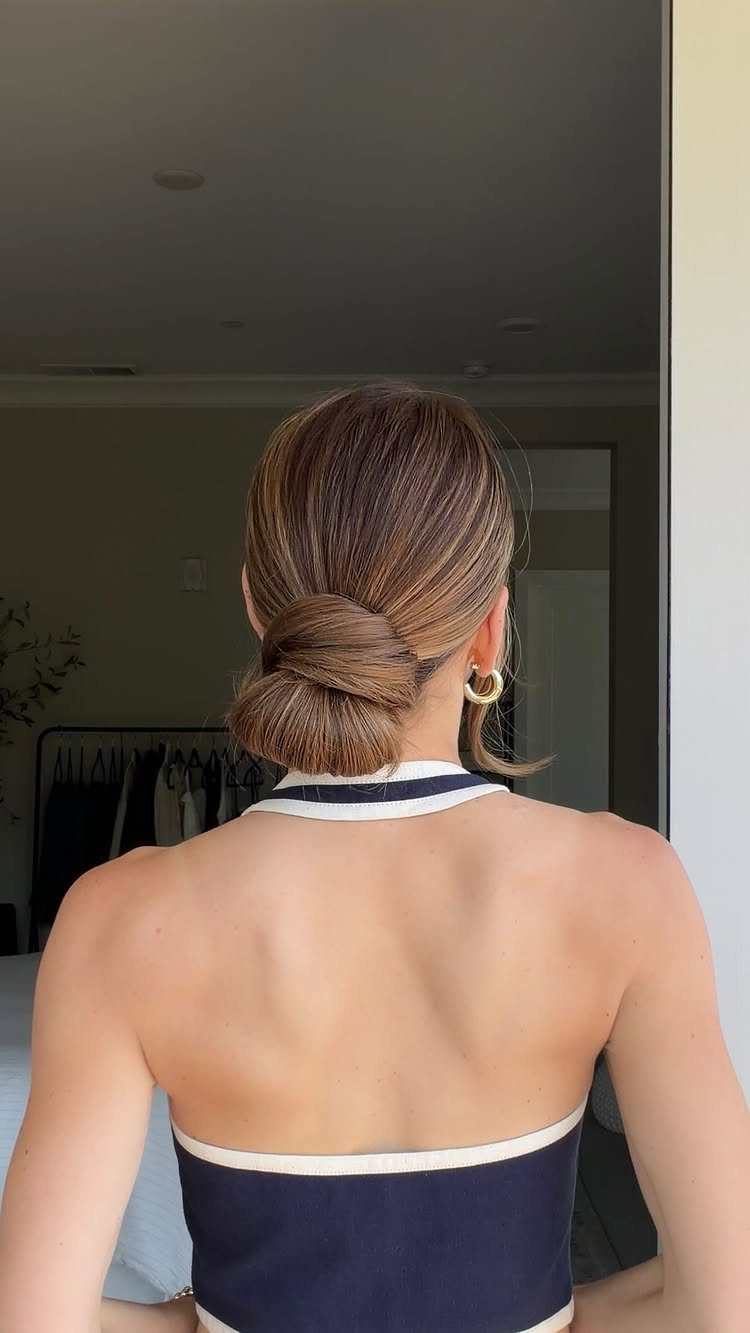
Pulled low at the nape and twisted into a coil, this bun keeps straight brown hair tidy and puts the focus on the neckline.
Gold earrings and a halter top show off the bare shoulders and neck, so it suits an outfit with an open back or neckline.
Smooth the hair with a brush before you twist, then pin it so the coil sits flat. I like it for dressier evenings, when you want a finished look without a lot of fuss.
8. Side Braid
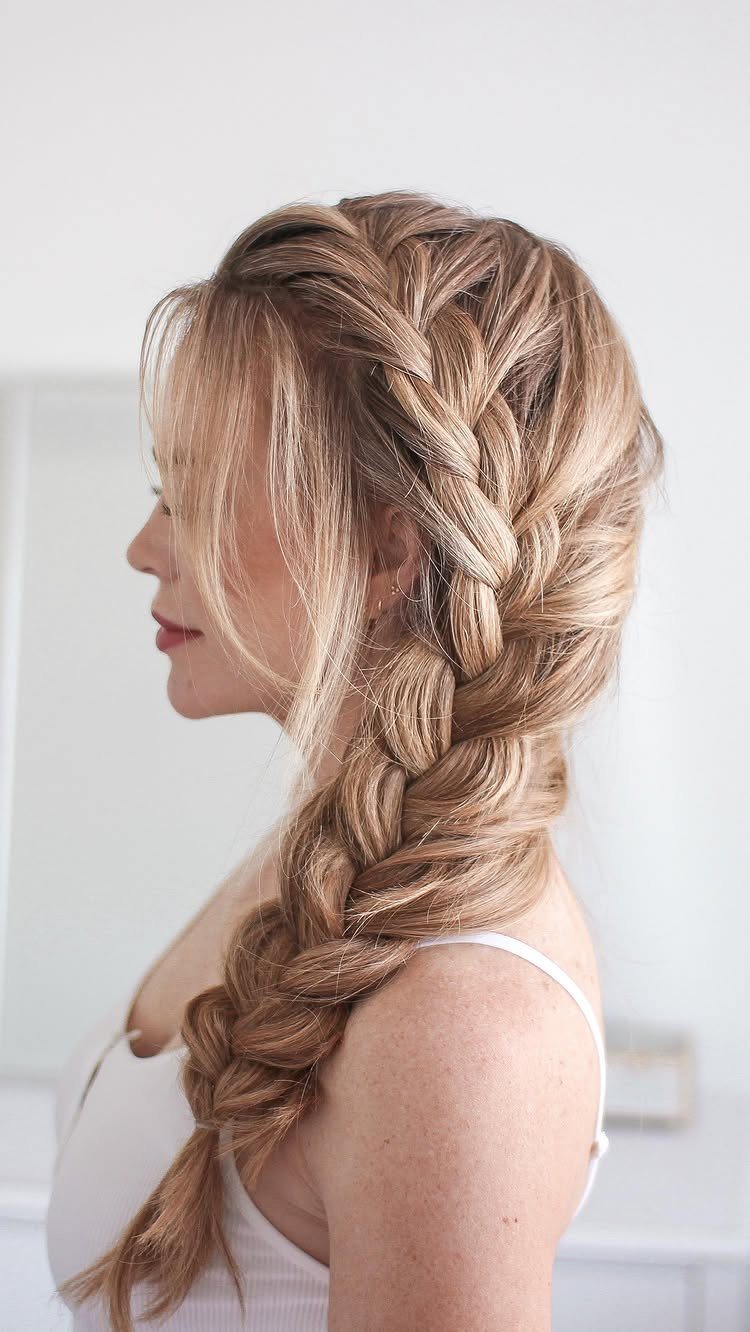
A thick braid draped over one shoulder gives straight hair some shape without cutting any length. Blonde hair shows the weave clearly, and a loose, full plait looks softer than a tight one.
Braid to the ends and secure them with a small elastic.
Gently tug the edges of each section outward to add volume. A plain white top is enough to go with it, since the braid is the detail.
9. Mohawk Braid
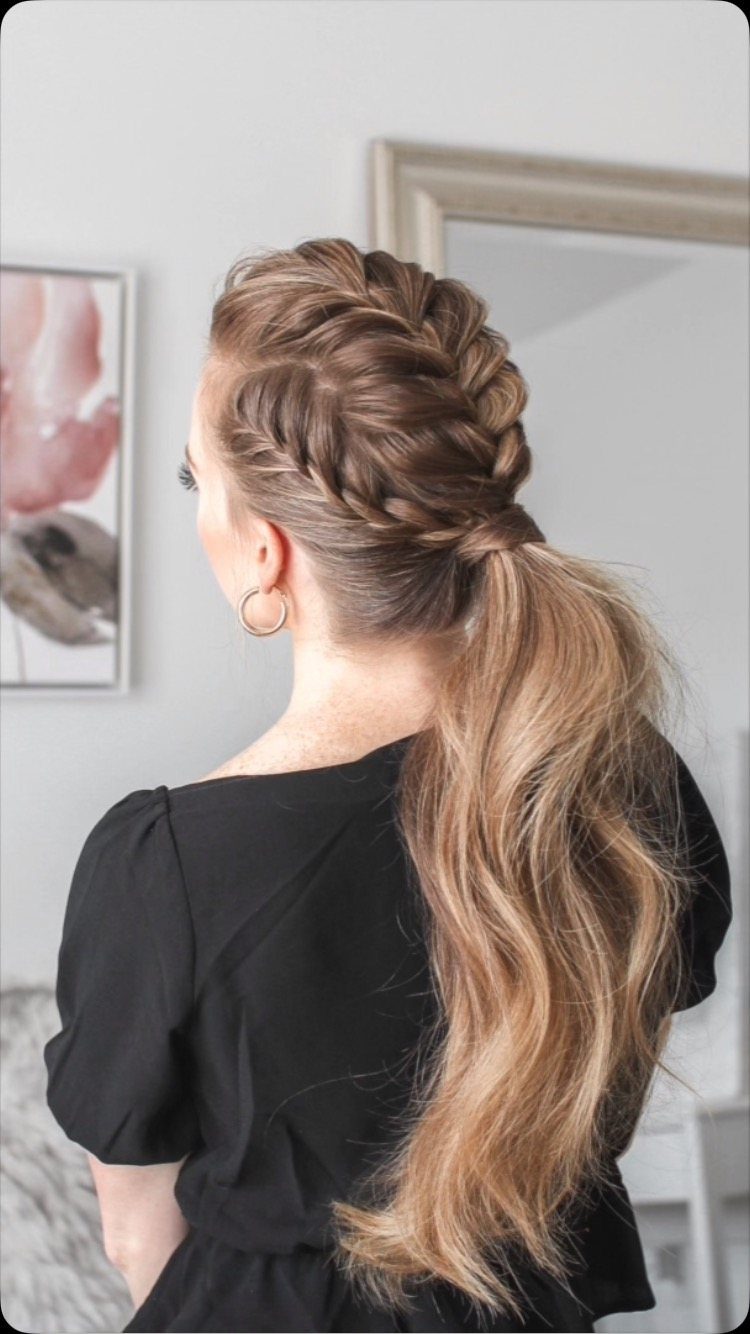
Braided along the crown and then released into a long low ponytail, this style gives straight hair a bolder shape than a plain tail. It reads as an alternative look, so wear it with simple clothes like a black top.
Start the braid at the front hairline and work back, then gather the remaining length into the ponytail. I would choose it when you want something with edge that still keeps all your length.
10. Straight Line
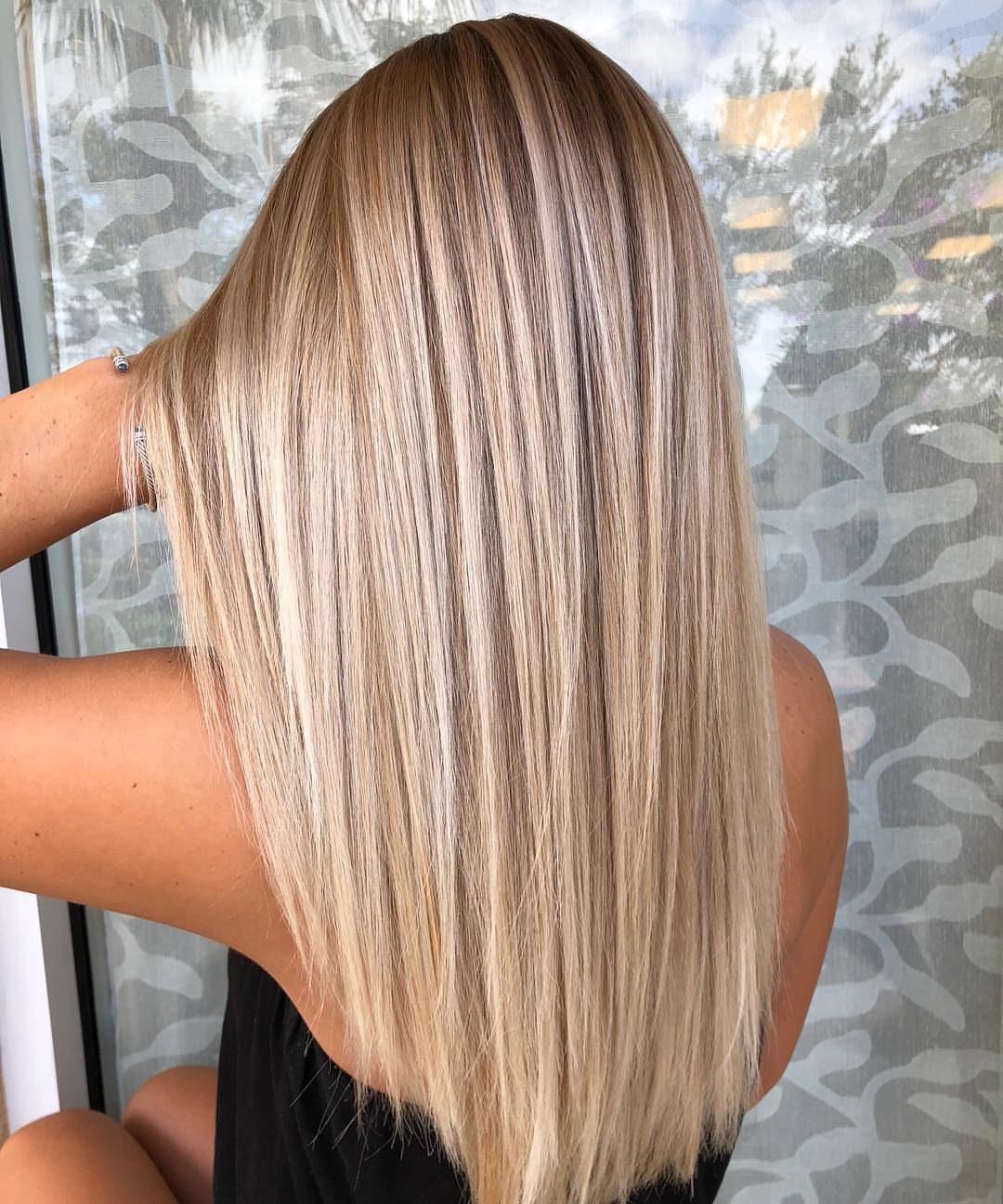
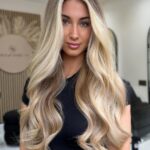
Long, straight, and highlighted with darker roots, this look gets its depth from the color, not from any styling. Ask your stylist for a lived-in blend, so the grow-out looks intentional and does not leave a harsh line.
The hair falls best when it is smooth, so a quick brush or flat iron pass is enough. Highlights add the movement that straight hair often lacks, so they suit a person after texture without cutting length.
11. Curtain Bangs
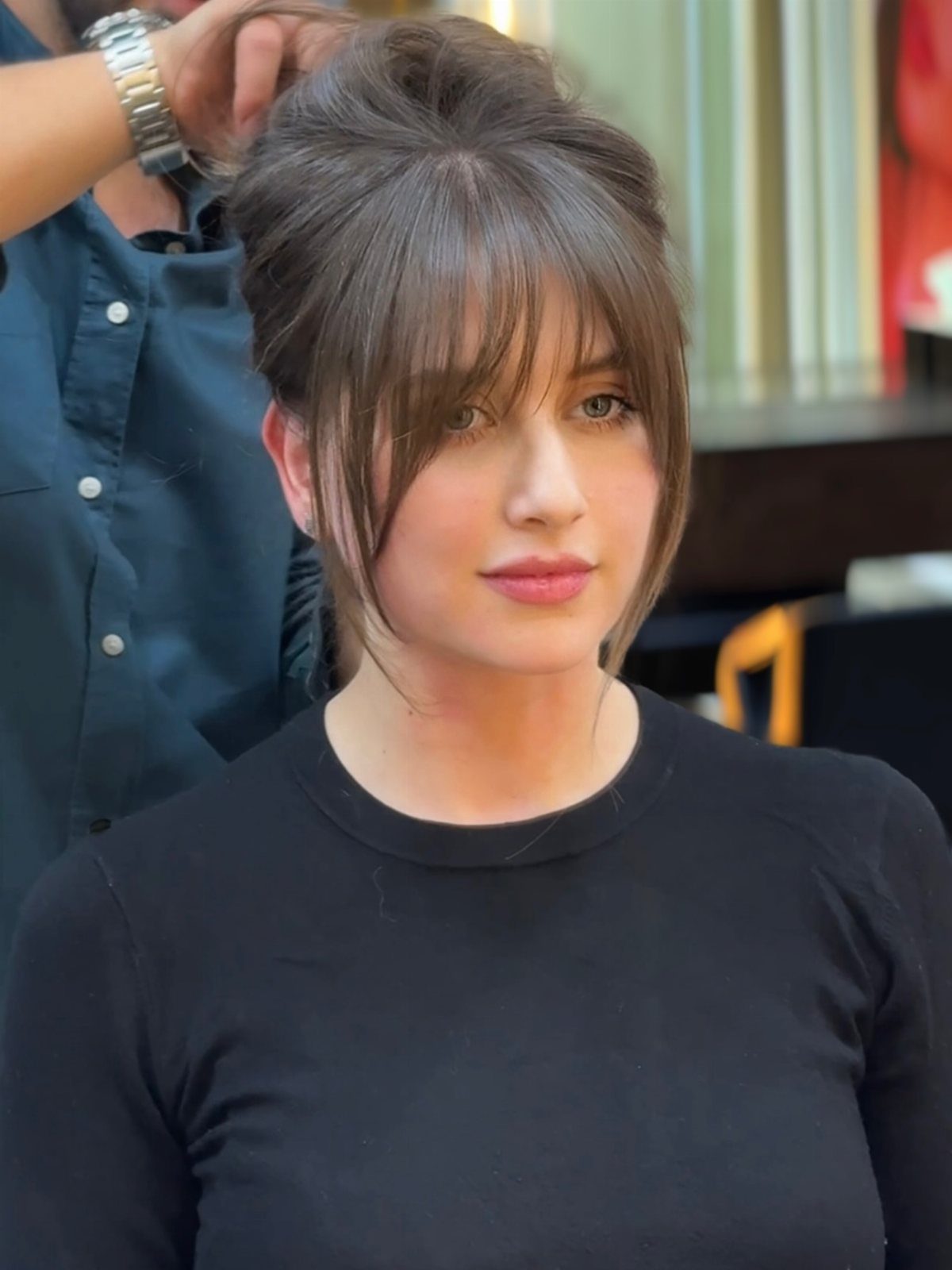
Curtain bangs part in the middle and sweep to each side, framing the face with soft lengths instead of a hard line. Against straight brown hair, they add dimension while keeping the rest of the cut simple.
Bring a photo to your stylist, since placement changes how they frame your cheekbones. I prefer them to straight-across bangs because they blend into the length as they grow out, so they ask for less upkeep.
12. Messy Bun
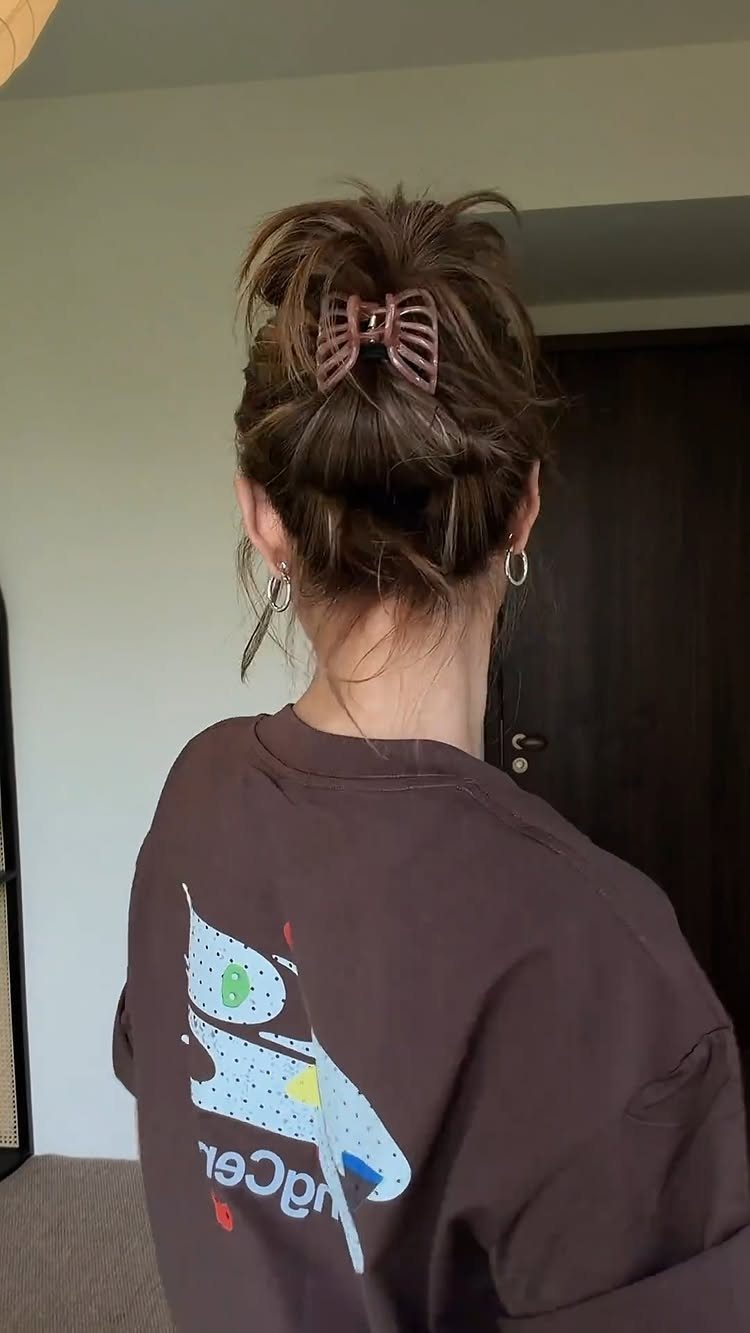
A messy bun is the easiest style for straight hair: gather the hair up, twist it, and fasten it with a claw clip.
A claw clip in a brown tone blends into most hair colors and holds the bun in place with no pins or elastics.
Straight hair can slip, so grip the twist firmly and leave a few loose strands at the face so it looks relaxed. I reach for this style on low-effort days, and it needs no brushing to look right.
13. Bubble Ponytail
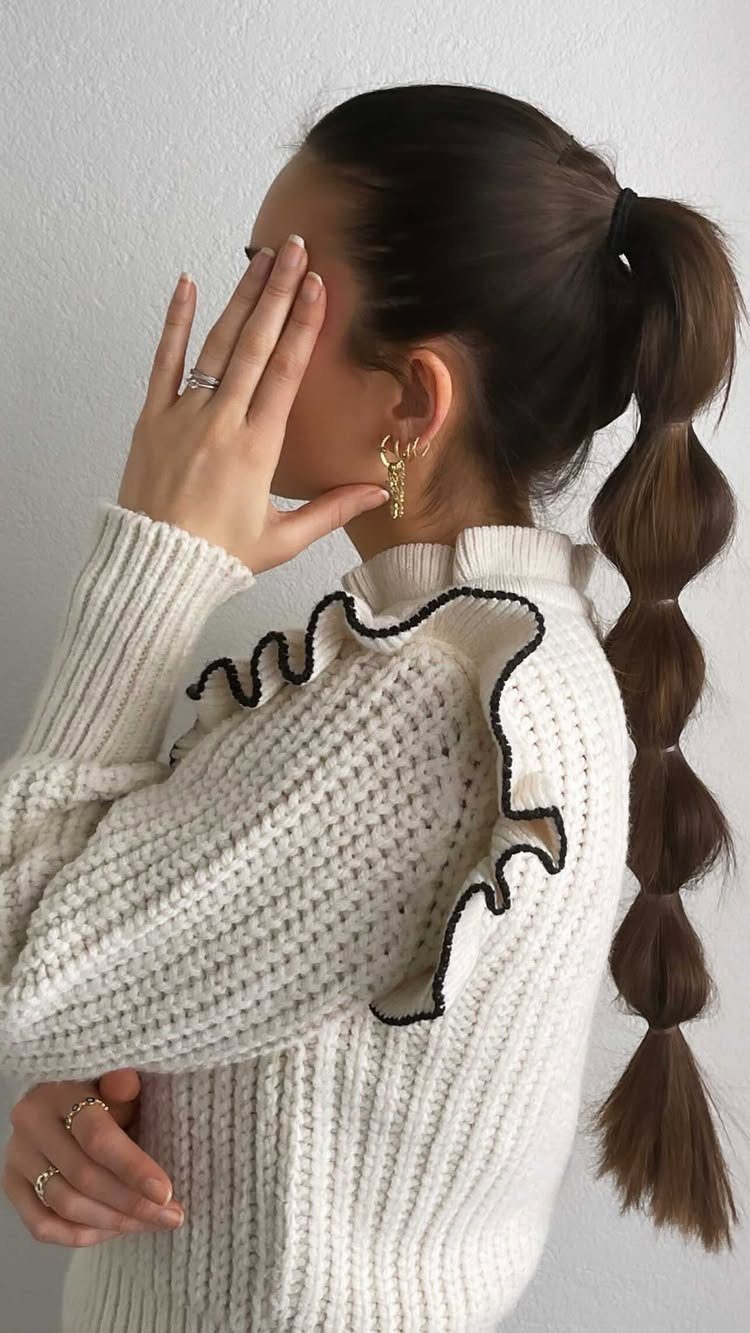
Sections of ponytail tied off at intervals and puffed out into rounds give a plain tail its shape. On straight hair the bubbles stay smooth and defined, and a ruffled or textured sweater matches the playful mood.
Use small clear elastics between each section, then gently pull the hair outward to fill each bubble. I would pick this for a casual day when a regular ponytail feels too plain.
14. Twisted Ponytail
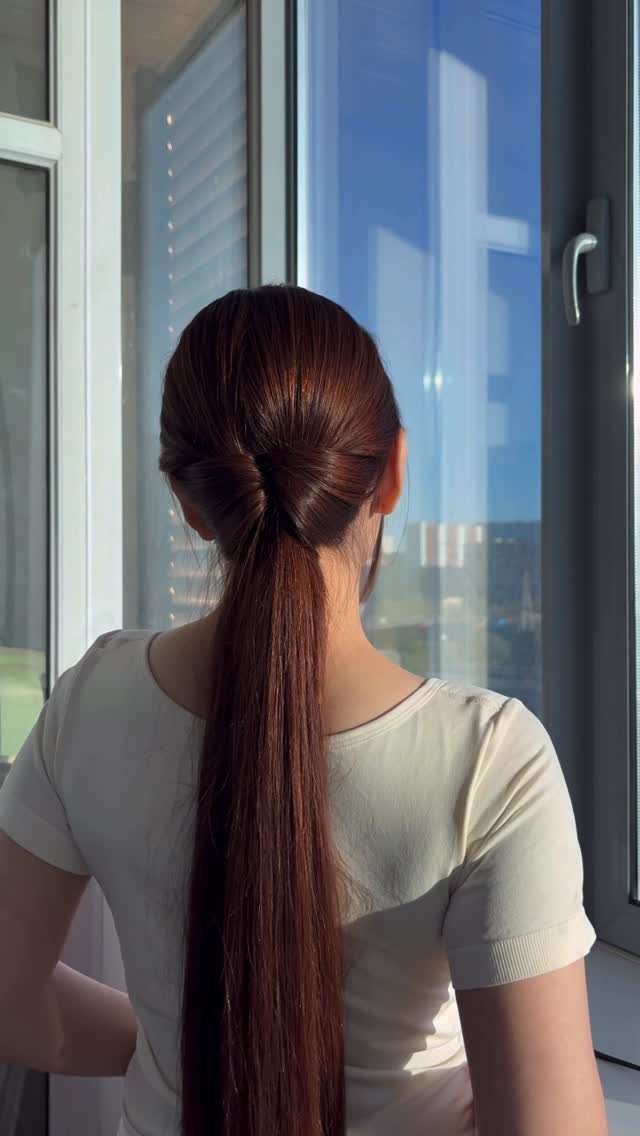
A twist at the base of the ponytail, where the elastic would normally show, makes a simple tail look finished. Long, straight hair suits it because the twisted section stays crisp against the smooth length below.
Gather the tail, then wrap a small section around the base to hide the band.
A white t-shirt is plenty with it. I like it when I want a tidy look without extra tools.
15. Glass Hair
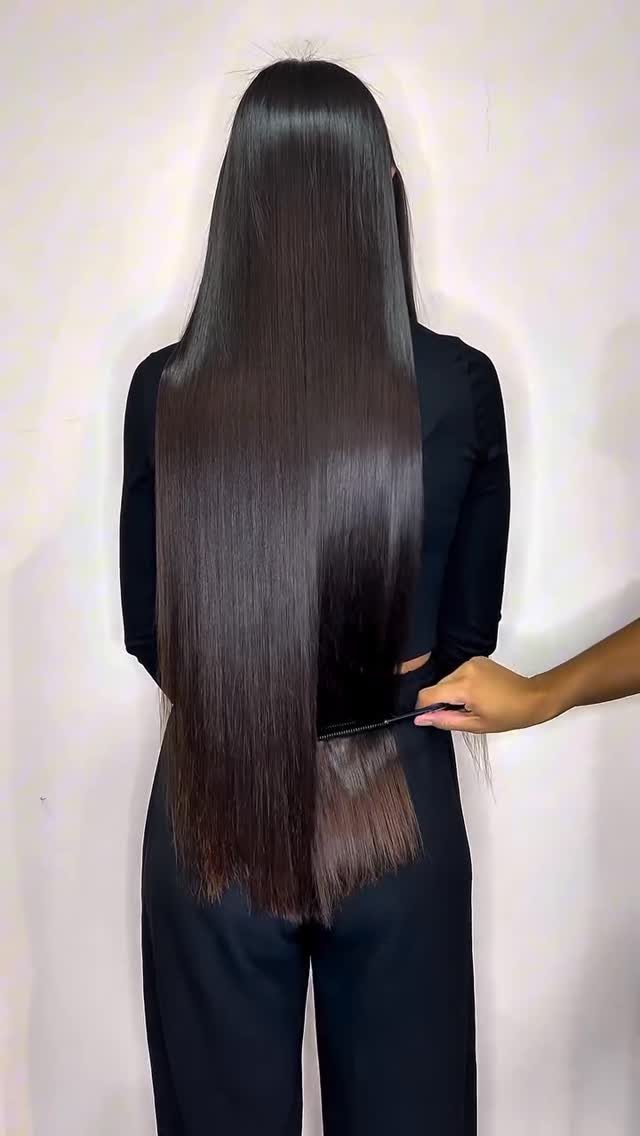
Glass hair is straight hair brushed so smooth and shiny that it reflects light like a sheet. Very long, dark strands show the effect best, since the shine reads as a clean, unbroken line from behind.
Comb through in sections until no strand crosses another.
Keep everything else simple, since the shine of the finish does all the work here. It asks for patience, as any frizz or flyaway shows right away.
16. Side-Parted Italian Bob
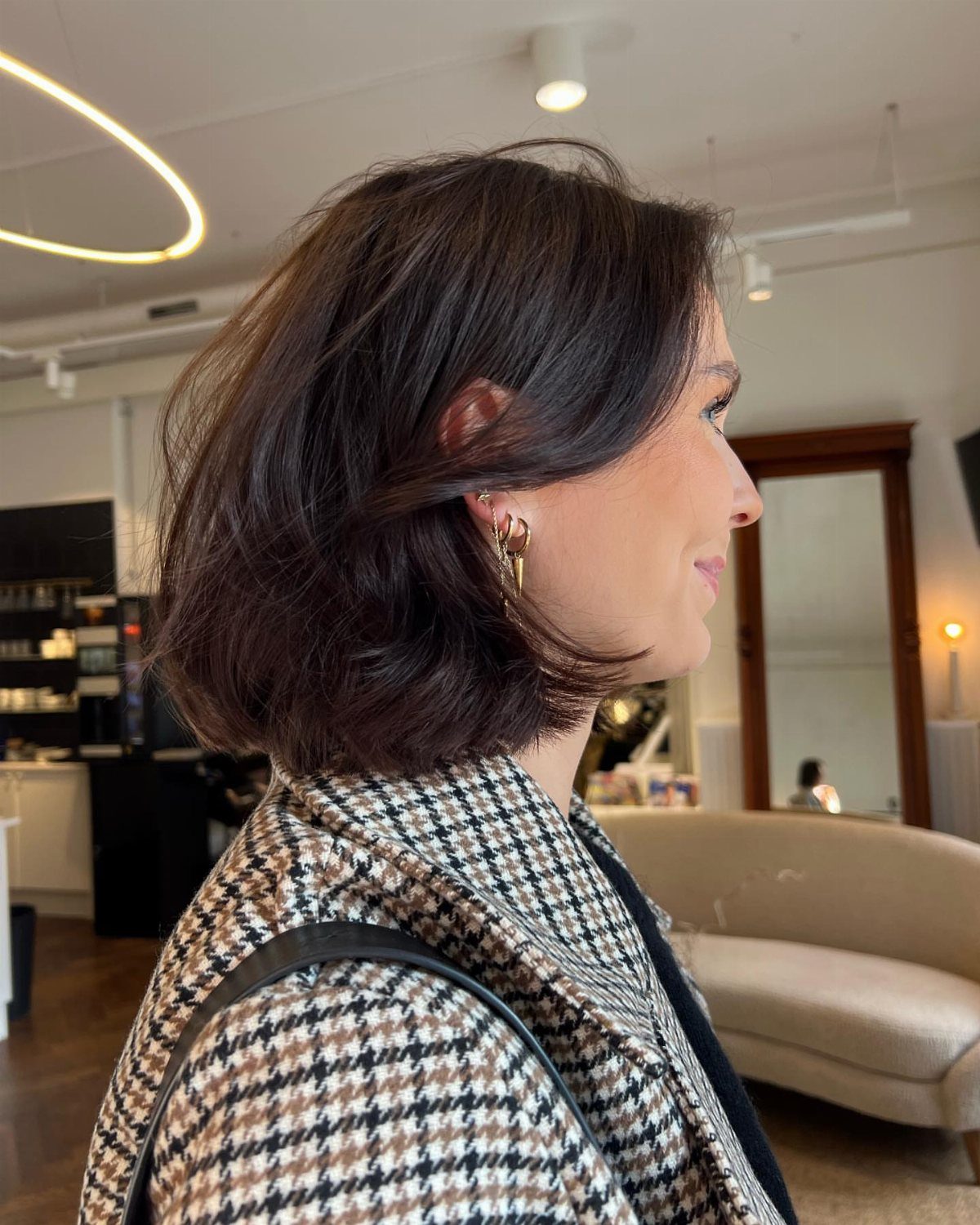
Parted deeply to one side, this dark brown bob gets a lift at the root that keeps short, straight hair from lying flat.
The deep part also adds a sharp angle, so it pairs well with a structured piece like a houndstooth blazer.
Part the hair while damp, then add a little volume at the roots as it dries. I prefer a deep part to a center one for a bob, since it adds shape with no extra cutting.
17. Rounded Ends
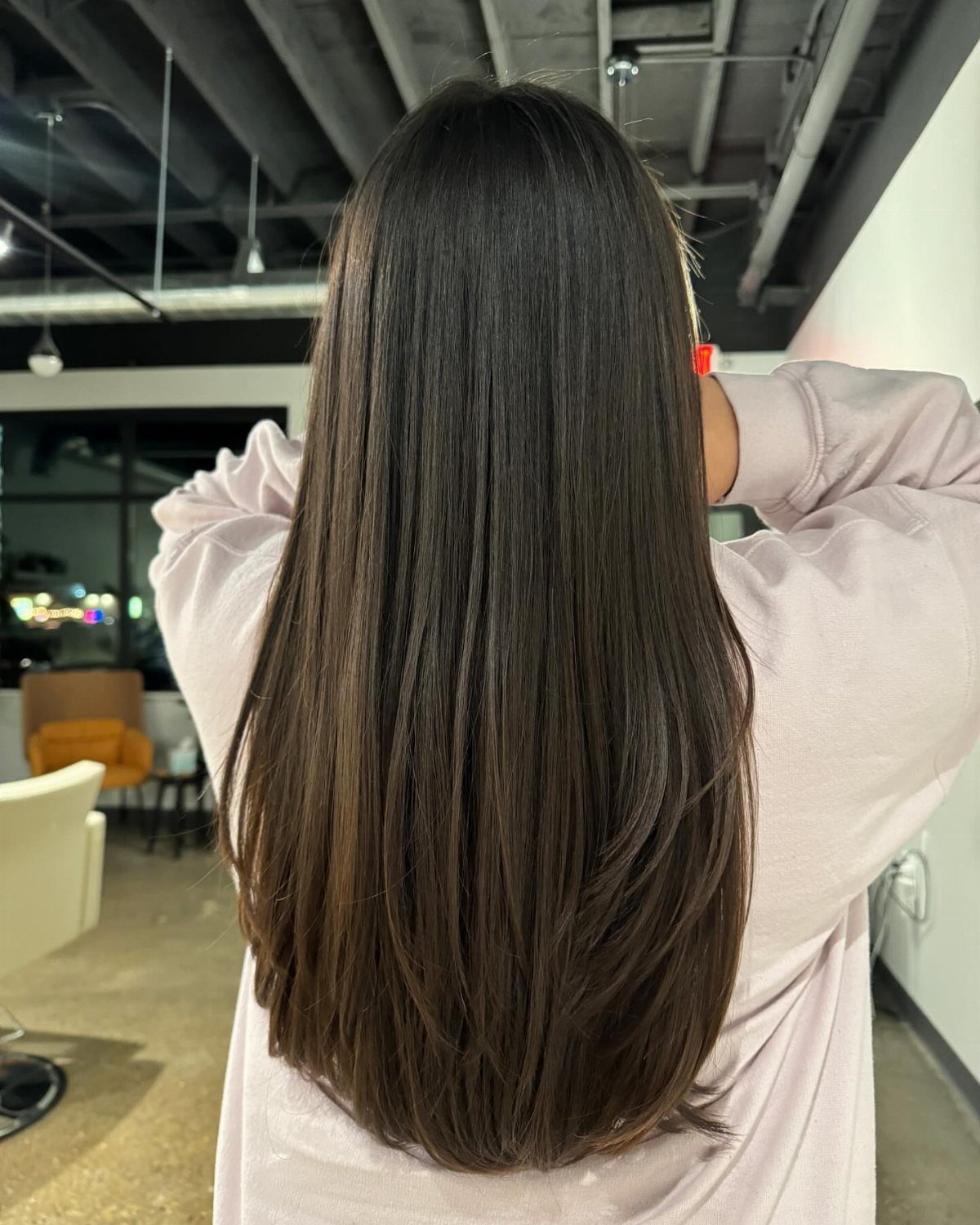
Rounded ends curve softly inward at the bottom, so long, straight hair looks full instead of thin and stringy. The shape suits dark brown hair, where the clean outline shows.
Ask your stylist to round the perimeter rather than cut it straight across, and bring a photo of the back view.
I would choose it if you want to keep your length but need the ends to look healthier. A flat iron pass keeps the curve neat.
18. Fluffy Blowout
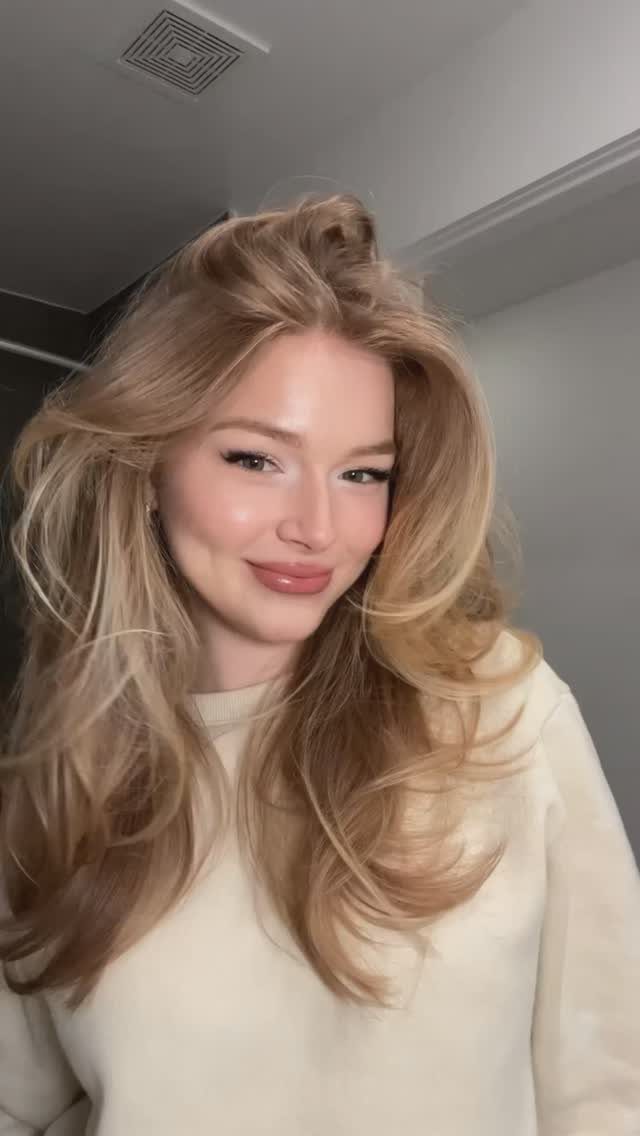
Big, lifted volume at the roots and through the lengths gives a fluffy blowout its ’90s feel.
Straight blonde hair holds the bounce well when it is dried with care, and a cream sweater keeps the focus on the hair.
Dry it with a round brush, lifting at the crown as you go.
I like it for days when you want straight hair to look full. Expect it to take more time than a simple brush-through.
19. Graduated Chin-length Bob
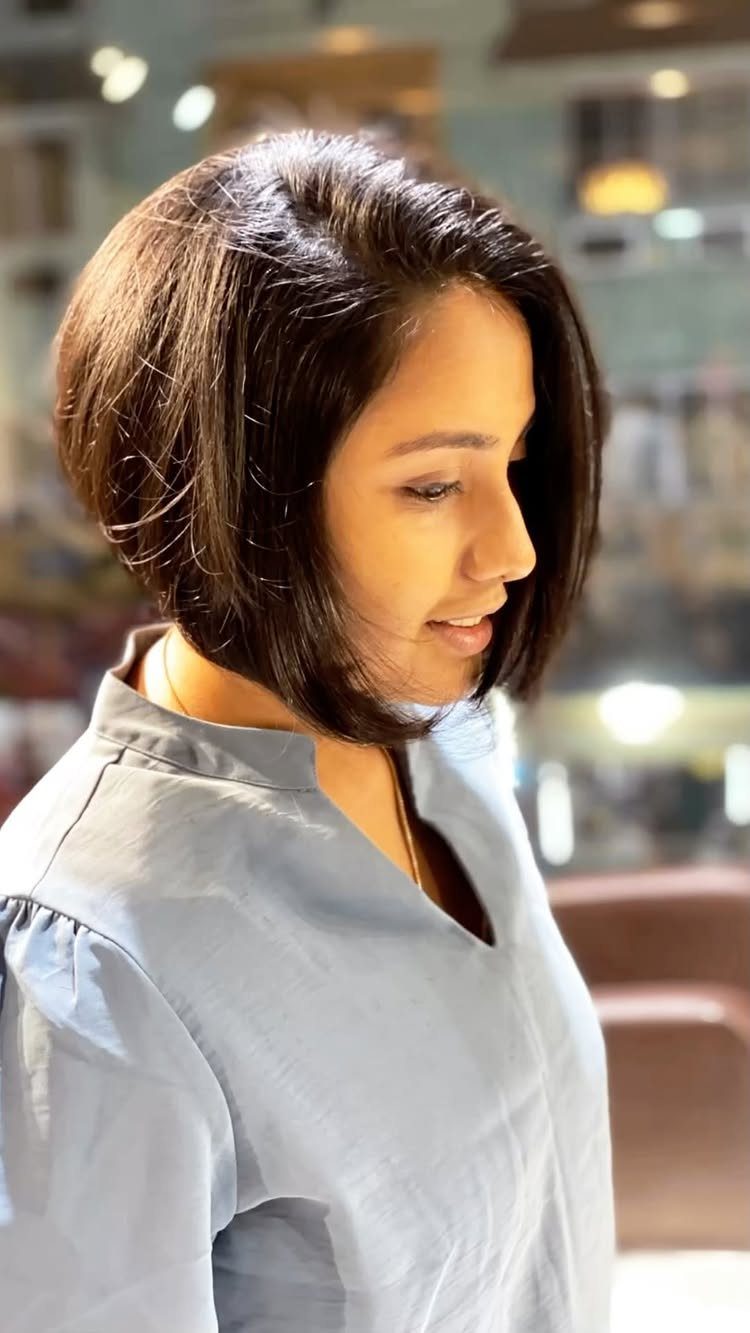
Slightly longer layers and a softer edge keep this graduated bob from looking severe.
The back sits shorter than the front and the length stops at the chin, which suits dark brown straight hair because the stacked shape shows up clearly in profile.
Ask your stylist for gentle graduation, not a steep angle, and bring a side-view photo.
A graduated chin-length bob suits a woman who wants shape without a hard line, and that soft stacking at the back is why I like it.
20. Balayage A-Line Bob
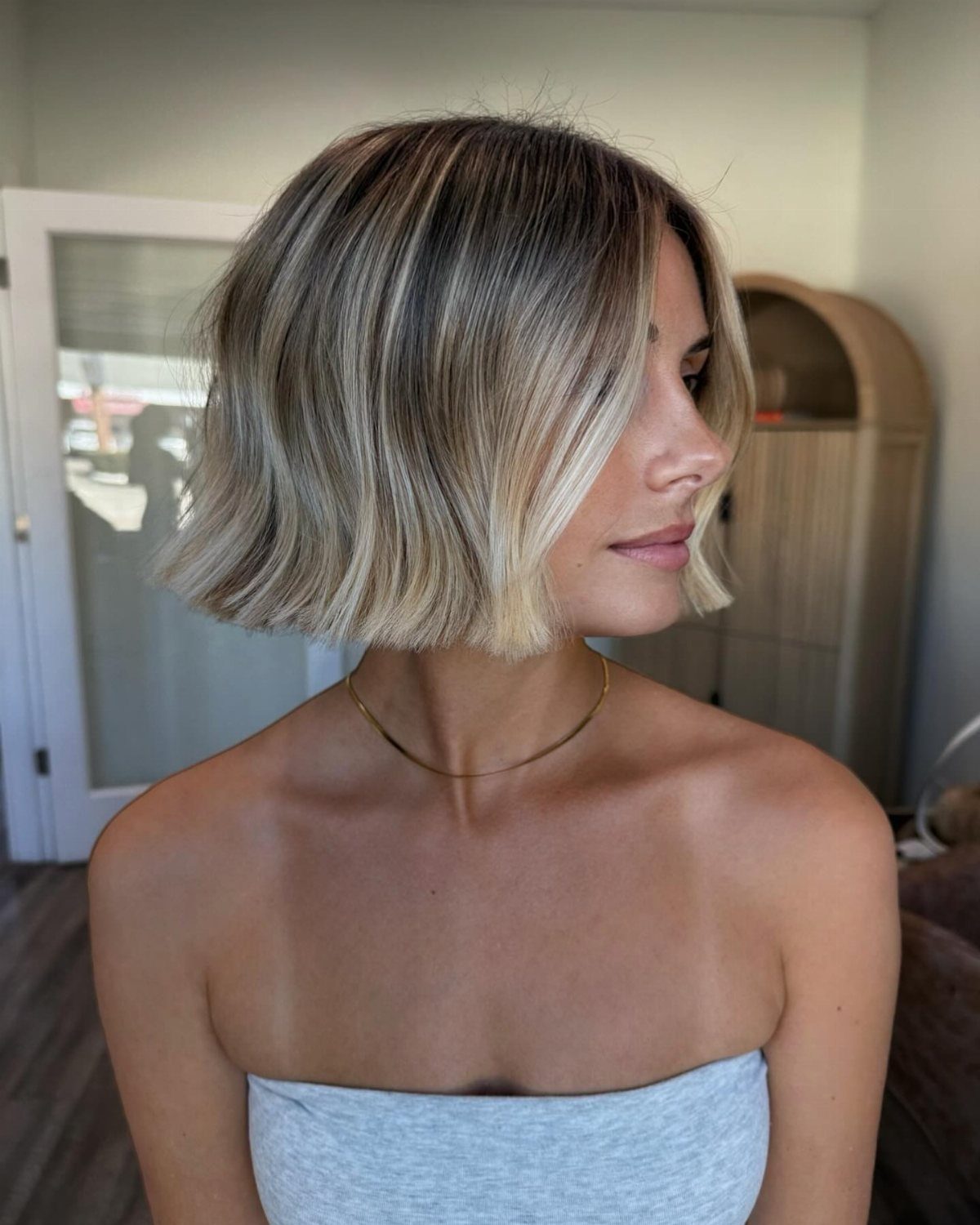
Blonde balayage melts into an A-line cut, shorter at the back and longer toward the face, so the color and the angle work together.
Straight hair shows both clearly. An oval face carries this cut best, but the angled line works on other face shapes too.
Ask for hand-painted lightness through the ends, not stripes, so the blend reads soft. Expect color appointments to be the main upkeep.
21. Bob for Thick Hair
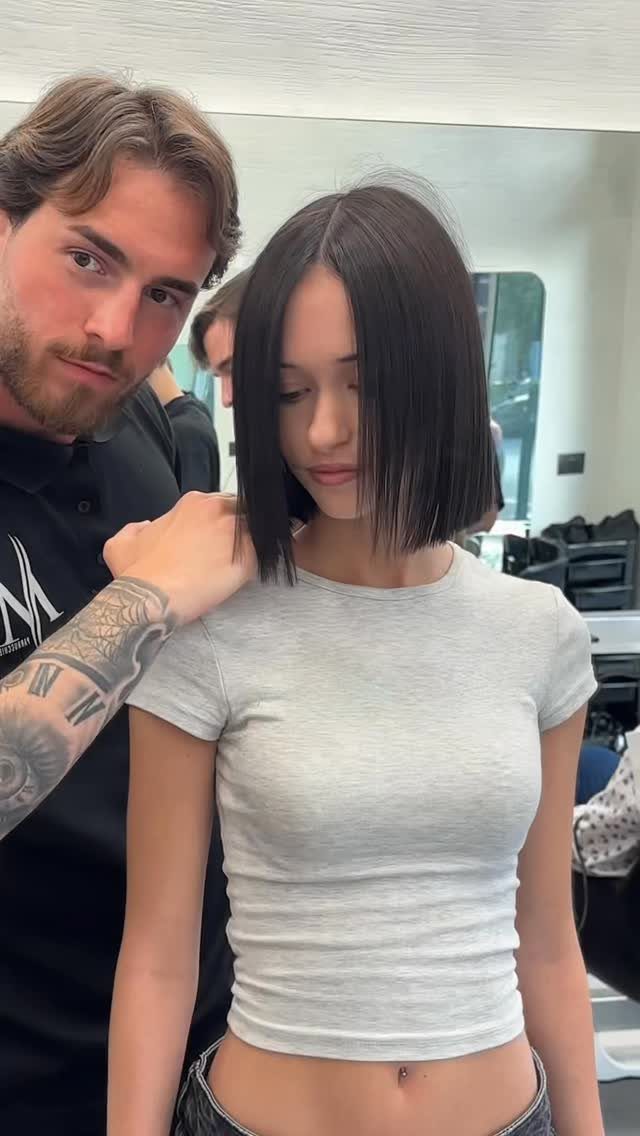
Thick hair is where a straight, dark bob works hardest, because the weight packs into a clean, solid line instead of puffing out. Jennifer Lawrence has worn the shape, and it carries the same polished look on anyone.
Ask your stylist to remove bulk from the inside so the cut hangs flat, not wide. I would choose it if you want confidence from a cut that needs little styling.
The best haircuts for straight hair solve the biggest plight that those with sleek strands struggle with: They give straight hair shape and volume.
— Vogue
How to Add Volume to Straight Hair
Lift starts at the root, and 2 tools do most of the work: a round brush and Velcro rollers.
For more hold, wrap a section in a Velcro roller while the hair is still warm, then leave it in until it cools completely. Cooling is what sets the bend, so taking the roller out early wastes the effort.
A heat protectant goes on before any hot tool. An oval brush attachment on a multi-tool works like a round brush if you prefer one device.
Extra layers also help fine, straight hair look fuller, and a bouncy blowout suits any hair type.
Best Products for Straight Hair
Straight hair gets greasy fast, especially when it is fine, so lightweight formulas beat rich ones. Choose a light shampoo and conditioner that cleanse without weighing the hair down.
2 products belong in every routine. Spray a heat protectant on damp or dry strands before the flat iron or curling wand touches them; fine hair scorches fastest, so it gets the most benefit.
A shine serum or oil comes last: a small amount on the ends adds gloss and keeps them smooth.
Skip heavy creams and waxes, which flatten straight hair and make it look oily. For lift that doesn’t flatten the strands, I reach for a weightless mousse or a root spray, and I use less than feels necessary.
A few shakes of dry shampoo at the roots stretch a blowout another day or so when there’s no time to wash. It absorbs excess oil and adds a little texture at the roots.
Maintenance Tips for Hairstyles
Trim every 6–8 weeks. That schedule keeps the ends healthy and holds the shape of the cut, and straight hair shows both split ends and a grown-out line more than most textures.
Book the next appointment before you leave the chair, so the date does not slip. If your cut is very short or sharply shaped, aim for the shorter end of that range.
Between trims, use a heat protectant every time you style with a hot tool, and put a little serum on the ends to keep them smooth.
Frequently Asked Questions
What hairstyles look good on straight hair?
Bobs, ponytails and braids all work well. Straight strands lie flat, so smooth shapes like a slicked-back ponytail, a half-up ponytail or a blunt bob look clean with little effort.
On straight hair, a chunky side braid gives flat strands some dimension and keeps every inch of length.
What are the 2026 haircut trends for straight hair?
Blunt bobs and face-framing layers show up most, along with butterfly cuts. Short straight cuts like French bobs and pixies are also coming back, built on clean lines and light layers.
Keep a blunt bob crisp with a light trim every 6–8 weeks, aiming for the shorter end, and the clean line takes care of itself.