How hard you will move decides which of these easy hairstyles for dancing is yours: a slow night of social dancing asks little of your hair, while a festival crowd, a stage show or a competition needs a style that is pinned, braided or tied down.
The list starts with a messy bun that takes minutes and ends with cornrows over loose natural curls, which call for a skilled braider, while the half-up shapes, space buns and fishtail braids sit in between.
1. High Ponytail with a Braid
A plain high ponytail gets a lot more interesting with a few braided strands worked into the front. On curly hair like this, the braid adds structure at the hairline while the ponytail keeps its full, springy volume.
Dancing is where a high placement pays off: nothing sits on your neck, and the braid keeps the front pieces from drifting into your face.
I would braid first, then gather everything into the ponytail so the braid is anchored in the elastic and not left to slip.
2. Messy Bun
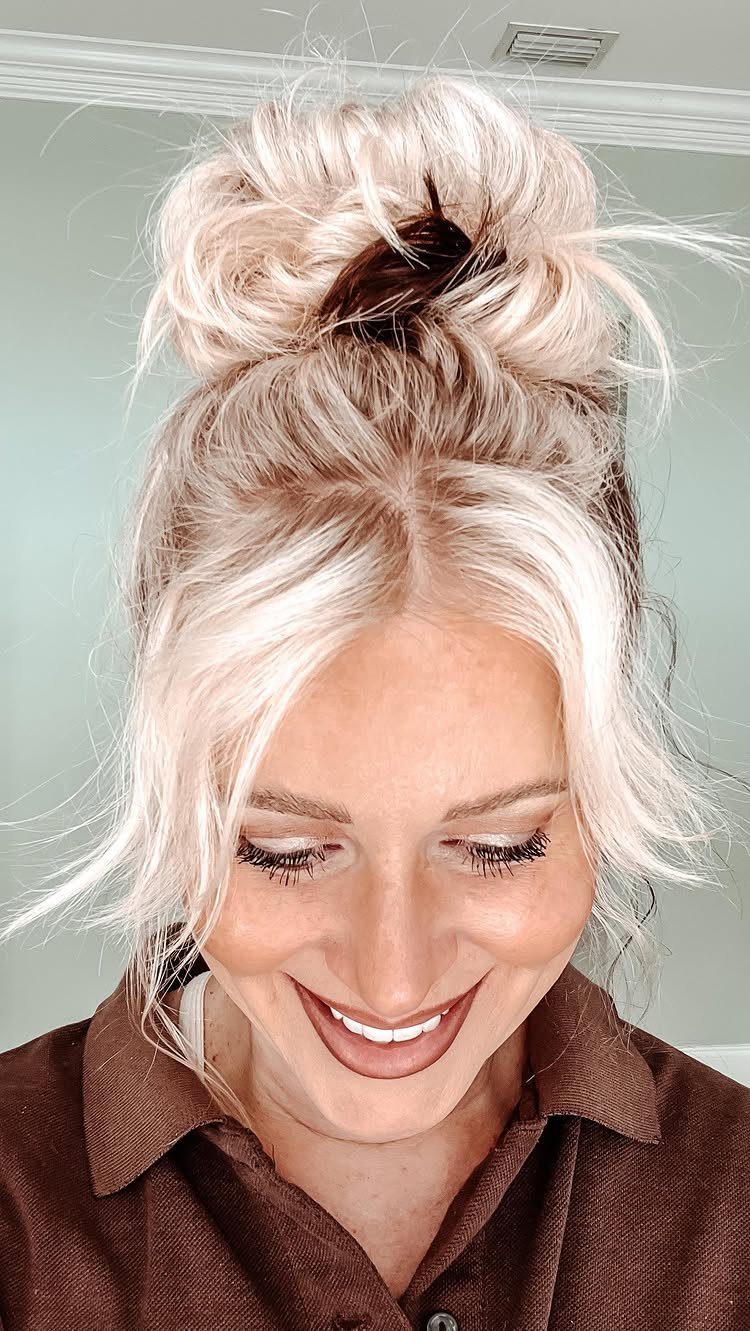
Nobody needs a perfect bun for a night on the dance floor, and a messy one is built to look a little undone.
Loose pieces and a big, airy shape do the work here, so skip the smoothing and the fussing.
Gather the hair, twist it into a bun, and pull a few strands loose with your fingers.
Pulling gently at the edges of the bun gives it that fuller, casual shape. It suits anyone who wants a style that takes minutes and still looks intentional.
3. Braided Crown
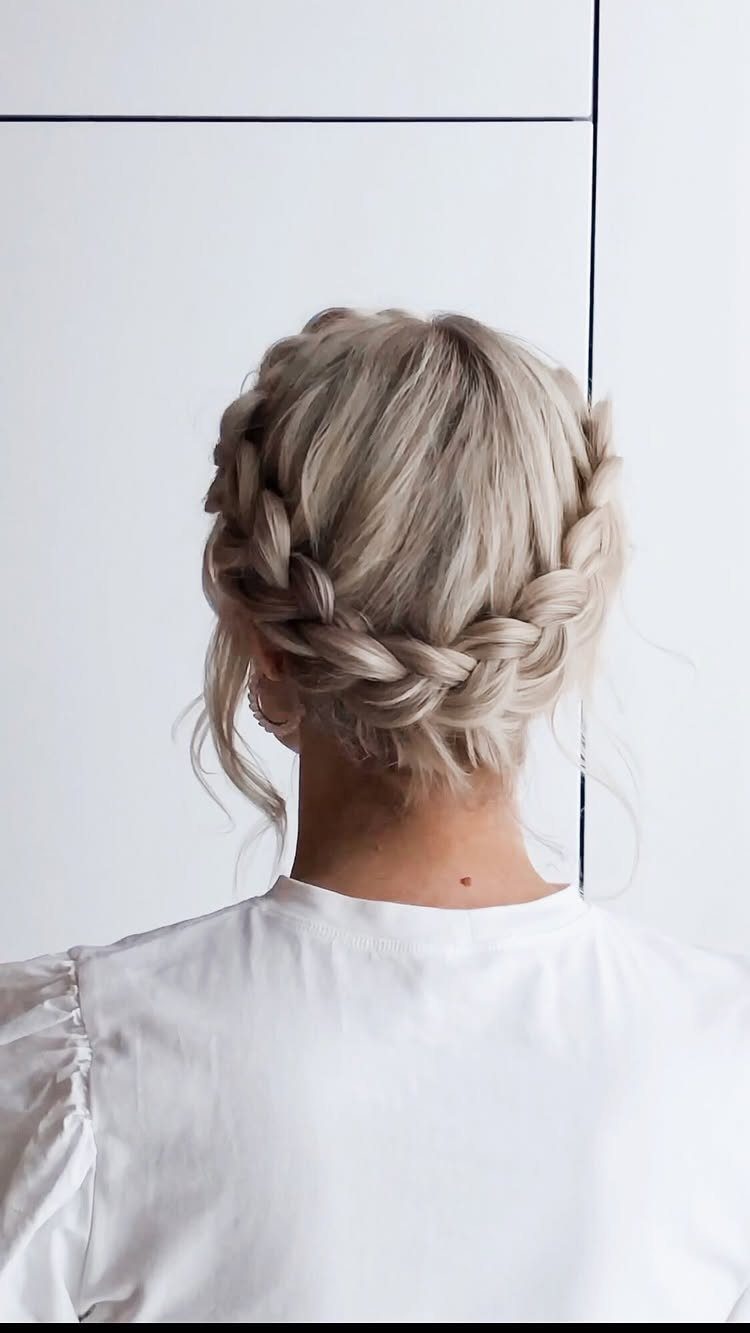
Braids that wrap around the head like a headband make the braided crown one of the tidiest updos I know. From the back, it reads as polished and simple, with the hair neatly held in place.
For dancing, I like that the braid does the securing, so there is less to rely on besides pins.
Pin the braid ends flat against the head and tuck them under the braid itself. Smooth, even braiding looks best, though it takes some practice to get both sides to match.
4. Bubble Ponytail
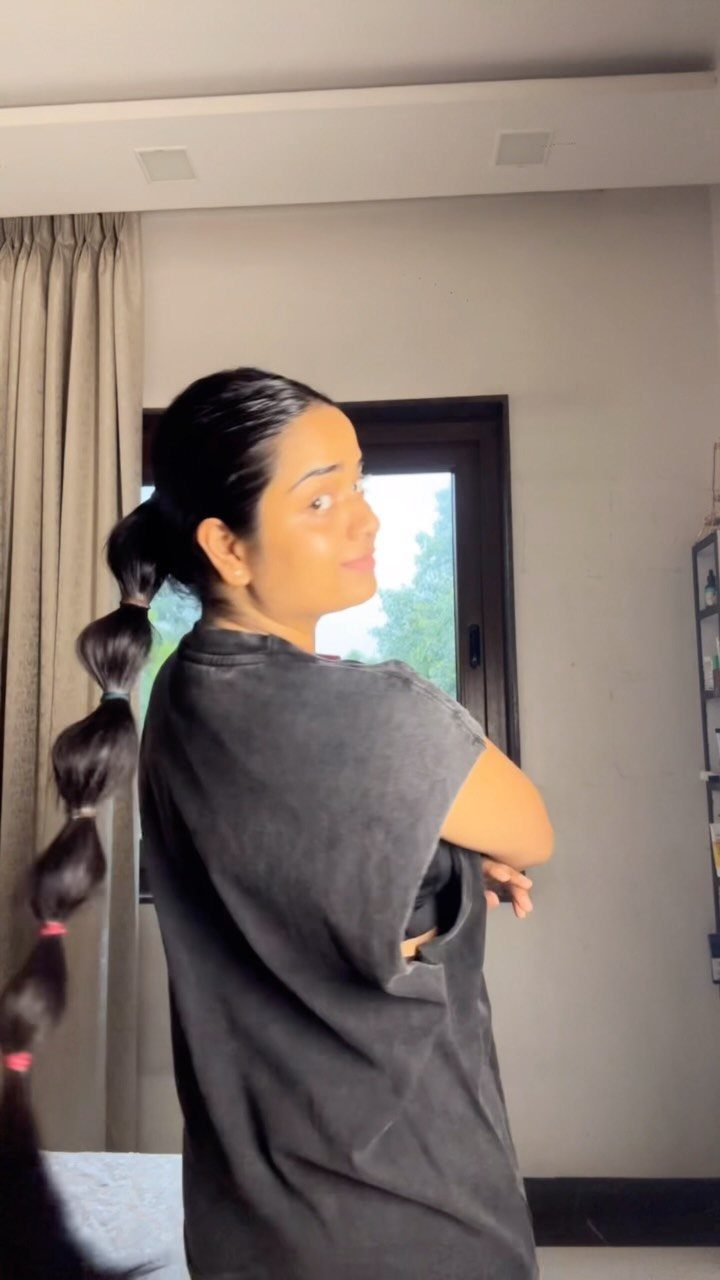
Small elastics spaced along a ponytail create the rounded sections that give the bubble ponytail its name.
Bubbles read best on long hair, since the extra length gives each section room to puff out and show its shape; it’s a playful, slightly trendy pick.
Start with a ponytail, then add an elastic every few inches down its length.
Gently pull each section outward to puff it up. A ponytail like this works best on hair with some length, since short hair gives you fewer bubbles to play with.
5. Half Up Half Down
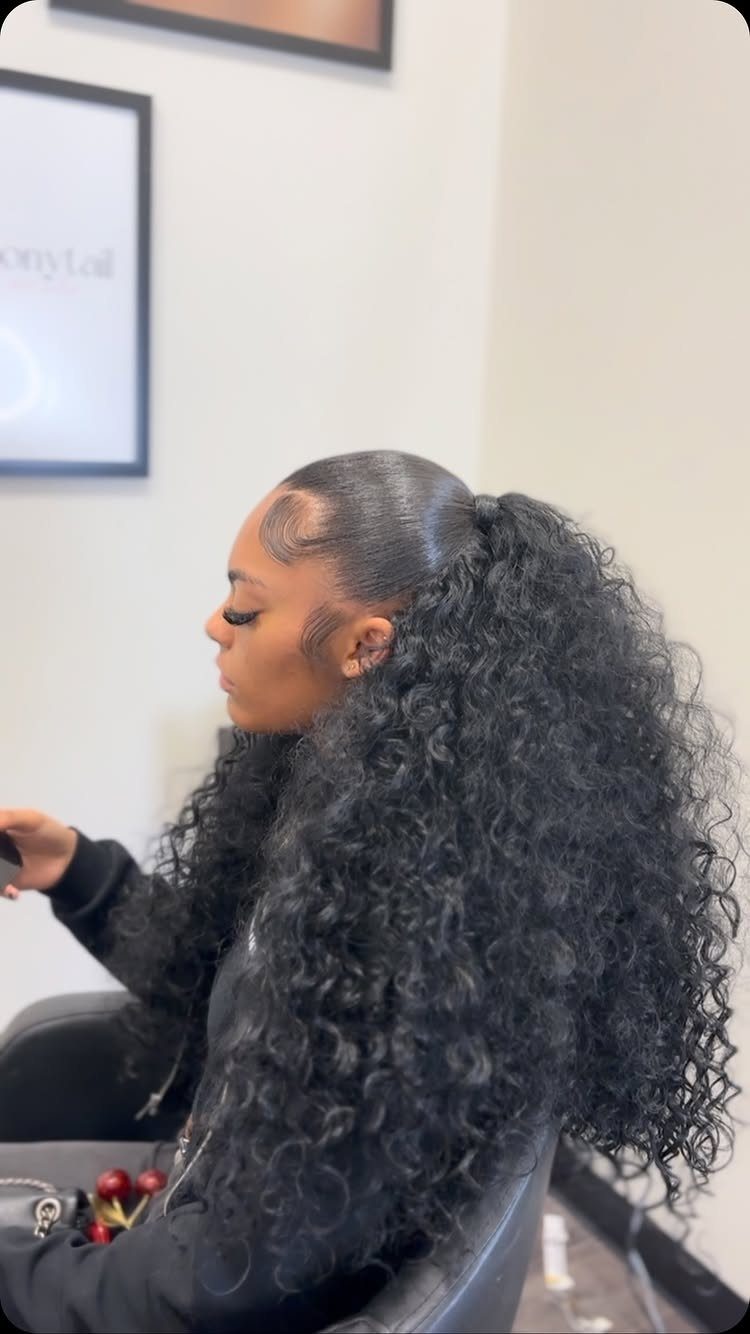
Half up, half down splits the difference: hair from the crown is pulled back and secured while the rest falls loose. On long curls, you keep the volume and movement without hair covering your face.
Gather the upper section at the crown and tie it with an elastic.
Leave the rest down to move as you dance. Loose hair can still tangle or cling at your neck, so this works better for shorter sets than for an all-night dance floor.
6. Fishtail Half Updo
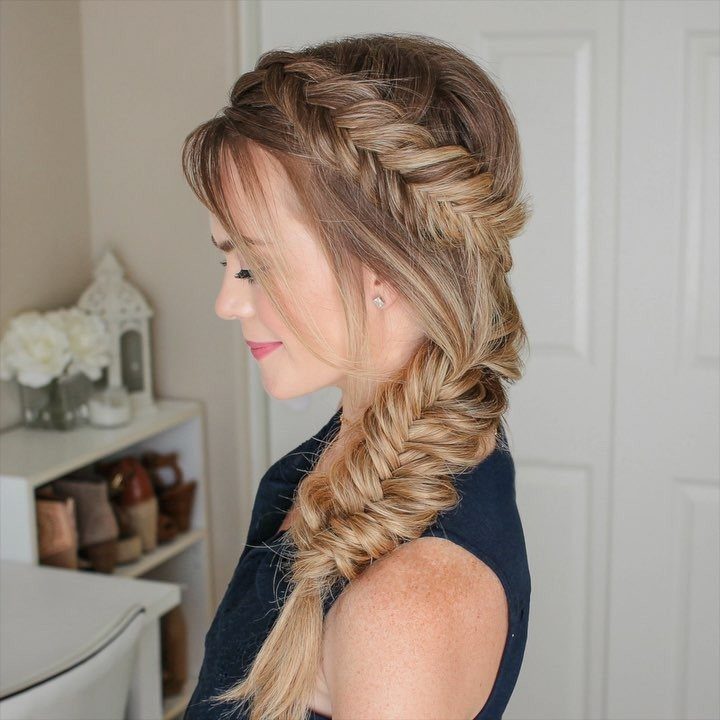
A fishtail half updo pulls the front of your hair off your face and still looks polished. The woven pattern adds detail that a plain half-up never gets.
Gather the hair at your crown and fishtail braid it: split it into 2 halves, then cross thin strands from the outside of each half over to the other.
Secure it with an elastic. Fishtails take patience, so I would practice once before the night out.
7. Curly Half Ponytail
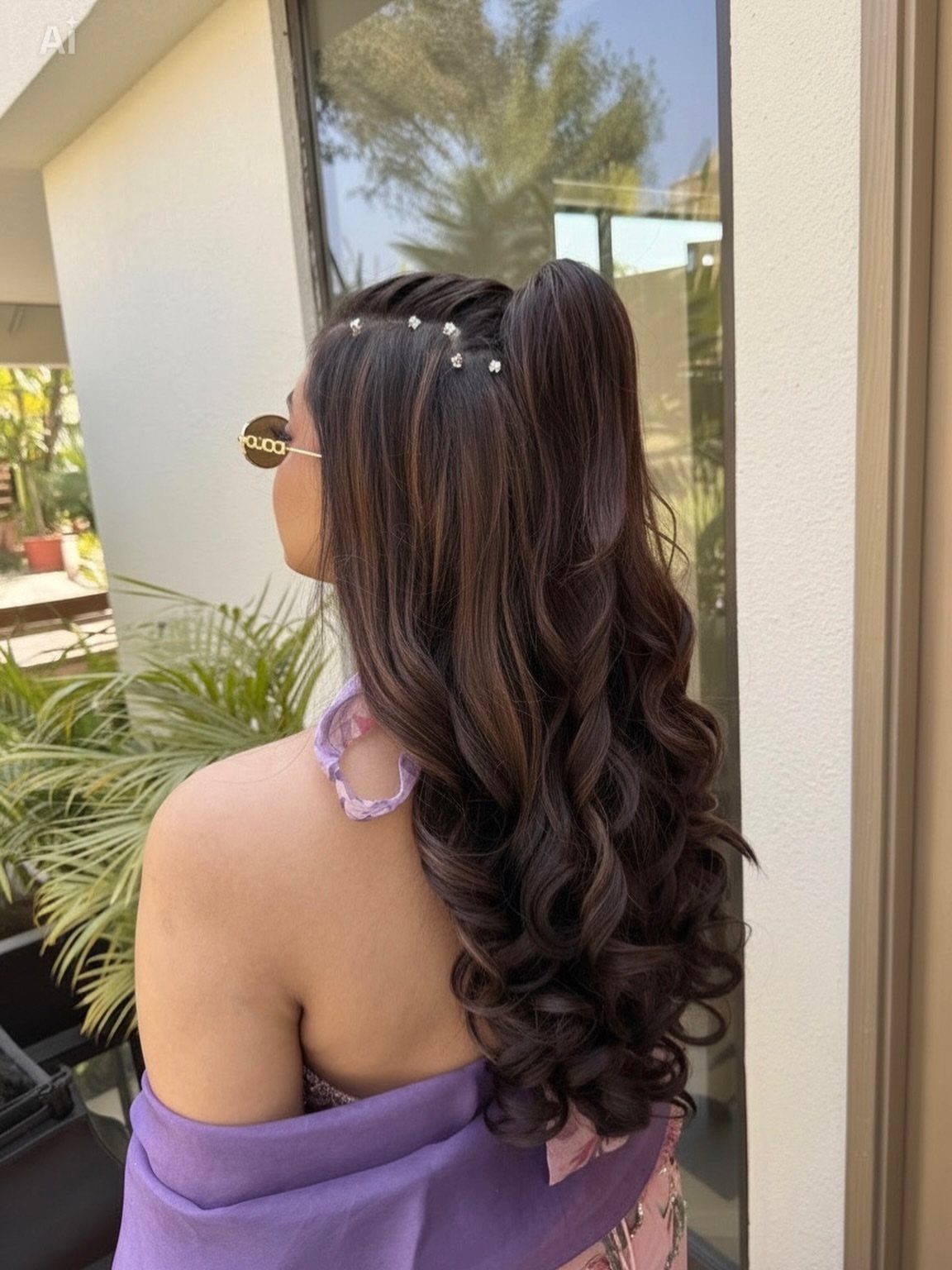
Curls do their best work when they’re left alone, and a half ponytail lets them.
Hair from the crown is pulled up and pinned, which keeps the front off your face while the rest of the curls fall loose down your back.
A high placement at the crown keeps the lifted section secure through turns.
Add a few hair pins around the elastic if it feels loose. Finger-comb the curls instead of brushing them, so the shape stays intact.
Loose curls will still swing and cling at your neck, so this suits a shorter set better than hours of fast footwork.
8. Space Buns
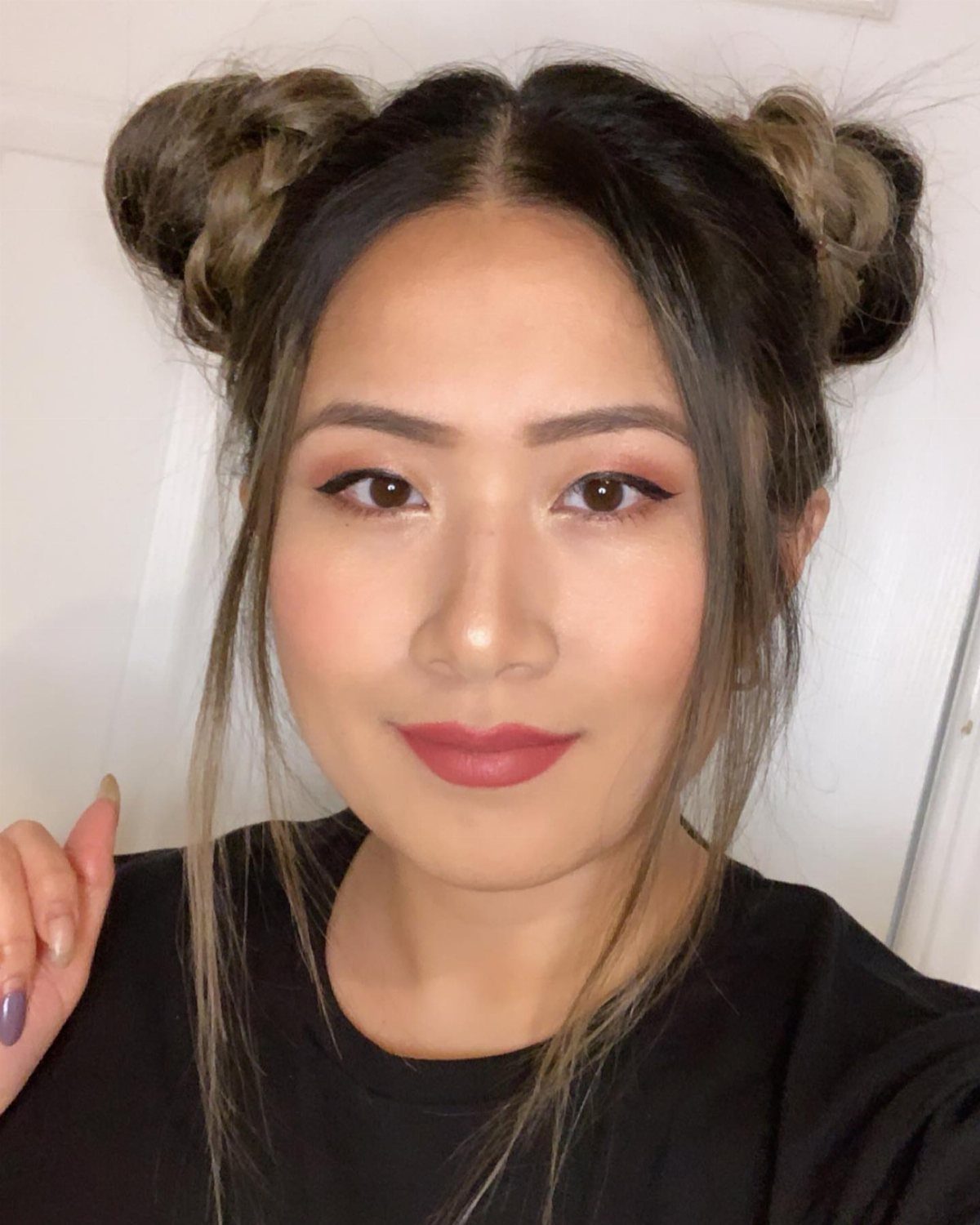
2 buns set high on the head give the look its playful, festival feel, and that contrast is exactly why it works so well against something serious.
Space buns add a lively accent to almost any outfit without any other change.
Part the hair down the middle, gather each side into a high ponytail, twist, and wrap into a bun. Pin each one flat against the head.
Keep both buns level; a lopsided pair is the most common mistake.
9. French Braid Into a Low Bun
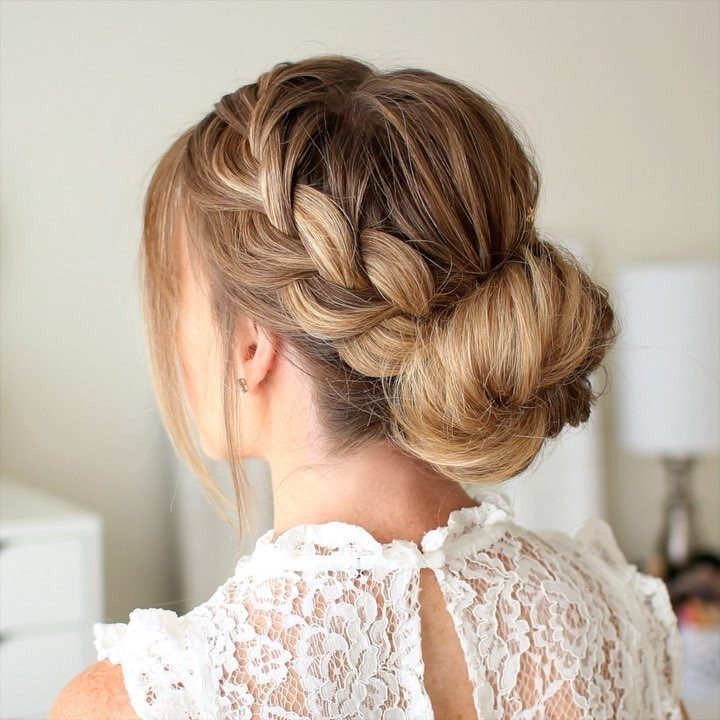
A French braid that runs straight into a low bun keeps every strand accounted for. The braid grips the hair from the crown down, so the bun at the nape has far less work to do.
Begin at the crown and feed in a little more hair with each pass, pulling the strands snug as you go so the braid holds through the night.
At the nape, coil the braid’s tail into a bun and pin it in place. A thick, slightly loosened braid looks softer than a tight one.
Low placement also stays out of the way of a partner’s arm.
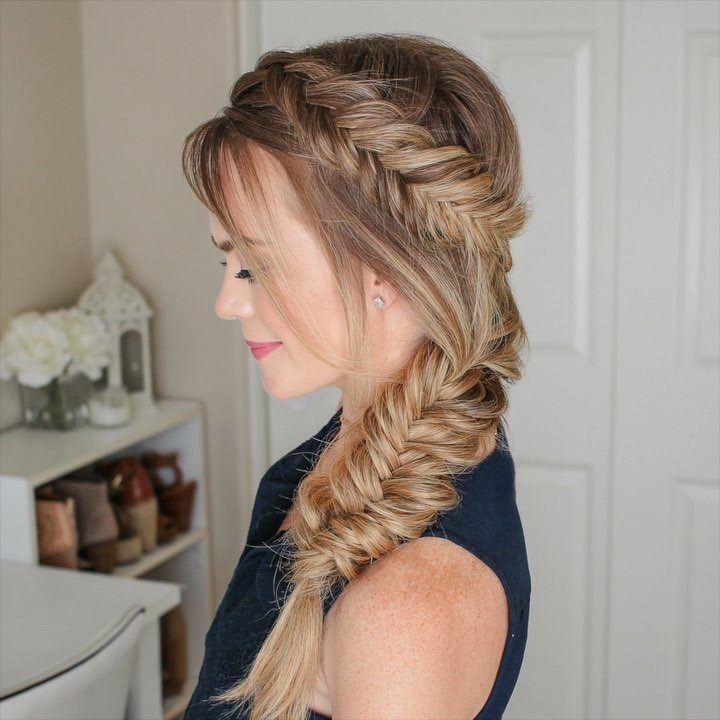
10. Full Fishtail Braid
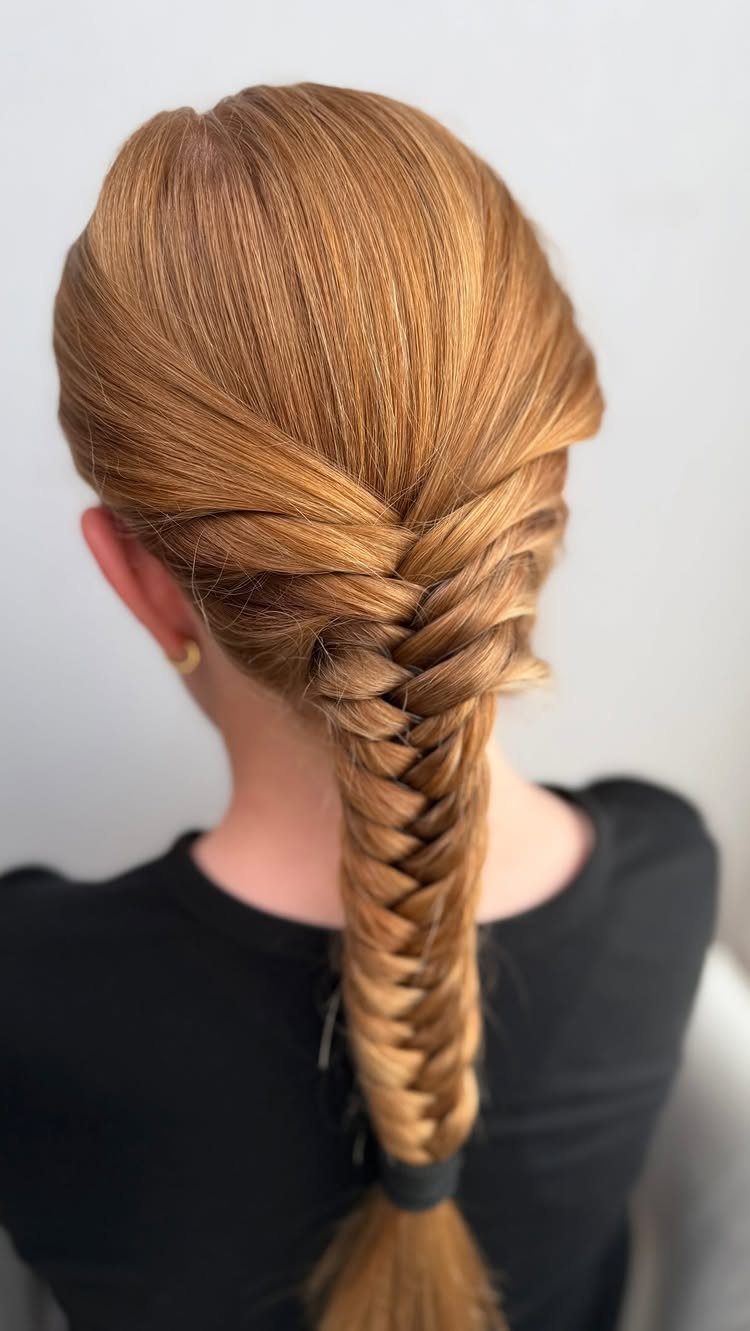
One long fishtail braid down the center of the back is the simplest way to hold long hair in a single, sleek piece. Nothing sits on top of the head, and nothing hangs loose to tangle.
Thinner strands make a tighter, more detailed weave. Tie off the end with a small elastic.
Fishtails take patience, so try one braid at home before the night you plan to wear it. Smooth the hair first for the sleekest finish.
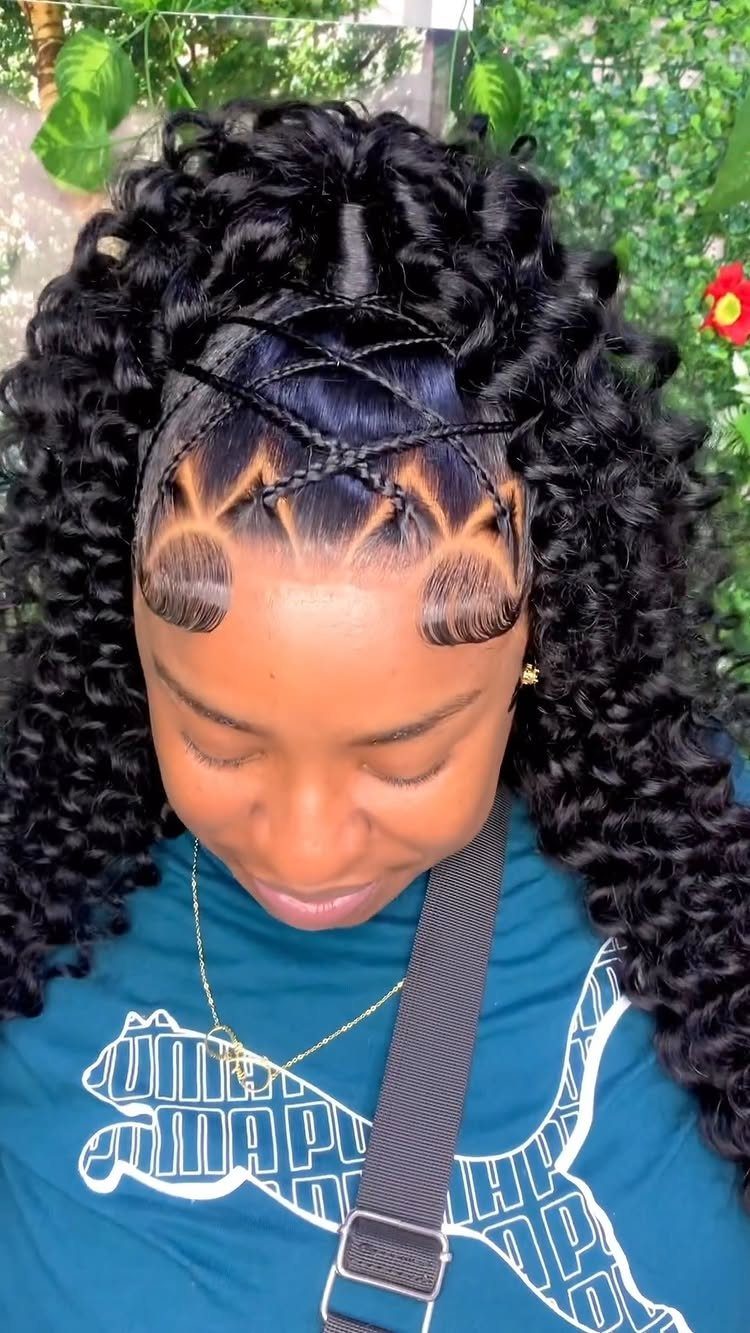
11. Cornrows with Loose Natural Curls
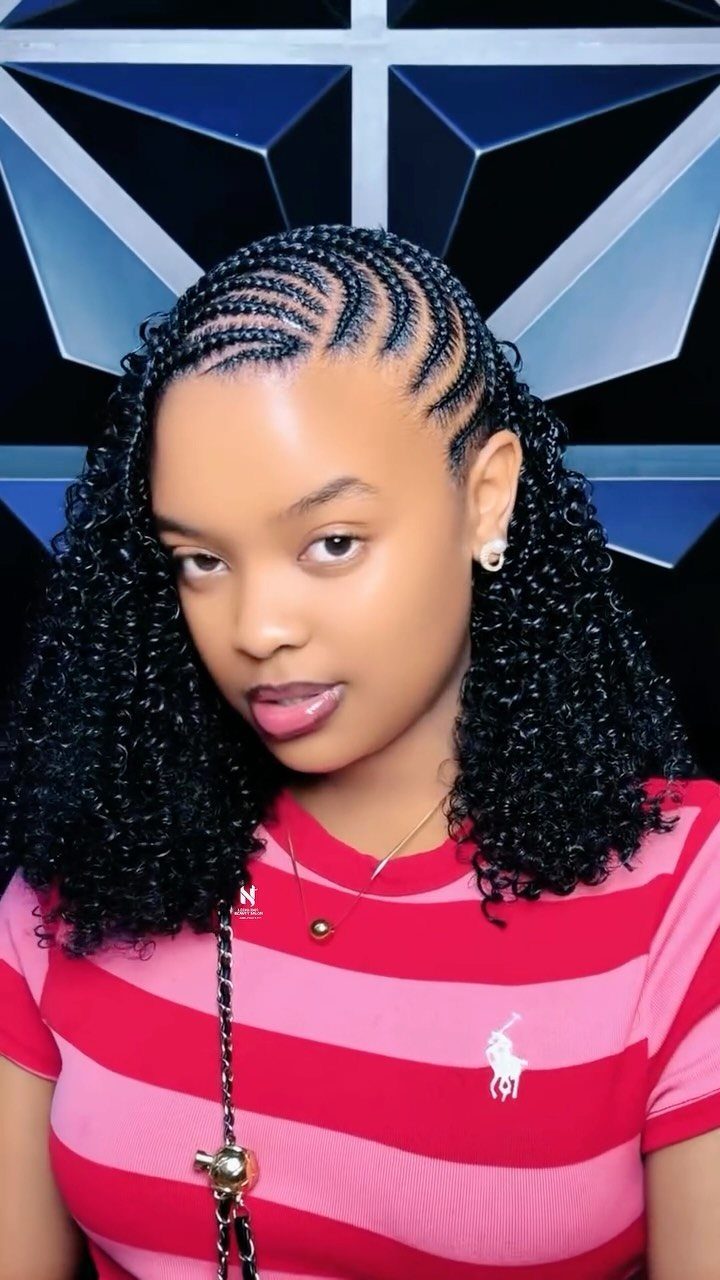
Tight cornrows along the scalp that give way to loose natural curls make one of the most practical styles here. The braids hold the top and front firmly in place, and the curls keep their volume and movement below.
Because the braided section sits close to the head, nothing falls into your face, however hard you move. Have the braiding done by someone experienced, since neat, even rows matter most.
The loose curls will still move freely, so keep them moisturized and defined before the night out.
Ensuring Your Hairstyle Lasts
Day-old hair grips better than freshly washed hair, so wash the day before you dance. Squeaky-clean strands are slippery and let elastics and pins slide.
Pomade or paste worked into slightly damp hair before you style gives a look more grip for a long night on the floor.
Then build the style in sections from the bottom up, so heat and product reach every layer evenly.
Hardware matters as much as product. Pick elastics and bobby pins sized for your hair type, then wrap the elastic 2 or 3 times around a ponytail or bun so it holds firmer.
Pins grip best when they go in snug against the scalp, and crossing two of them into an X locks them in place.
Teasing the hair at the base adds grip and volume. A fine hairnet pulled over a bun or a set of pinned curls adds one more layer of security.
A strong or extra-strong hairspray over the finished style helps it stand up to sweat and constant movement.
Choosing the Right Hairstyle
Start with how hard you will actually be moving. A slow night of social dancing asks little of your hair, while a festival crowd, a stage show or a competition needs a style that stays put no matter what.
Your attention belongs on the dancing, not on checking your hair.
Practicality counts as much as looks, so match the hold to the energy.
Fast, high-impact sets call for styles that are pinned, braided or tied down. Gentler dancing leaves room for looser shapes.
If your hair is naturally wavy or curly, you can work with that texture instead of fighting it. On damp hair, I work in a texturizing cream, scrunch lightly, and let the air do the drying.
A half-up hairstyle with the crown pinned back leaves the top flat and lets the lower hair fall into natural waves. A sparkly clip that picks up the color or shine in your outfit can hold one side back.
Frequently Asked Questions
What are some good hairstyles for dancing?
Braids, buns and ponytails hold best. A high ponytail with a braid worked into the front stays off your neck and keeps front pieces out of your face, and a braided crown relies on the braid more than on pins.
Both stay put through turns and fast footwork.
What is the easiest dance hairstyle for beginners?
A messy bun is the easiest. A twisted bun with a few pulled-out strands is the quickest option for a beginner: 2 minutes, one elastic, and no need for it to look polished.
Half up, half down also works for beginners, but the loose lengths can tangle or stick to a sweaty neck, so I’d save it for short sets.