The ideas here run from a long thick braid that costs nothing to a bixie that means giving up most of your length, and the effort ranges from a quick hair tie to a layered cut you blow-dry in sections.
How much time you will really spend with a dryer decides which one suits you: a butterfly cut or choppy bangs need a round brush or a pass of product, while a side part or a long thick braid works on damp-dried hair.
Thick hair also stretches 4–7 days between washes, so the cuts that air-dry well suit those days best.
1. Long Shag with Internal Texture
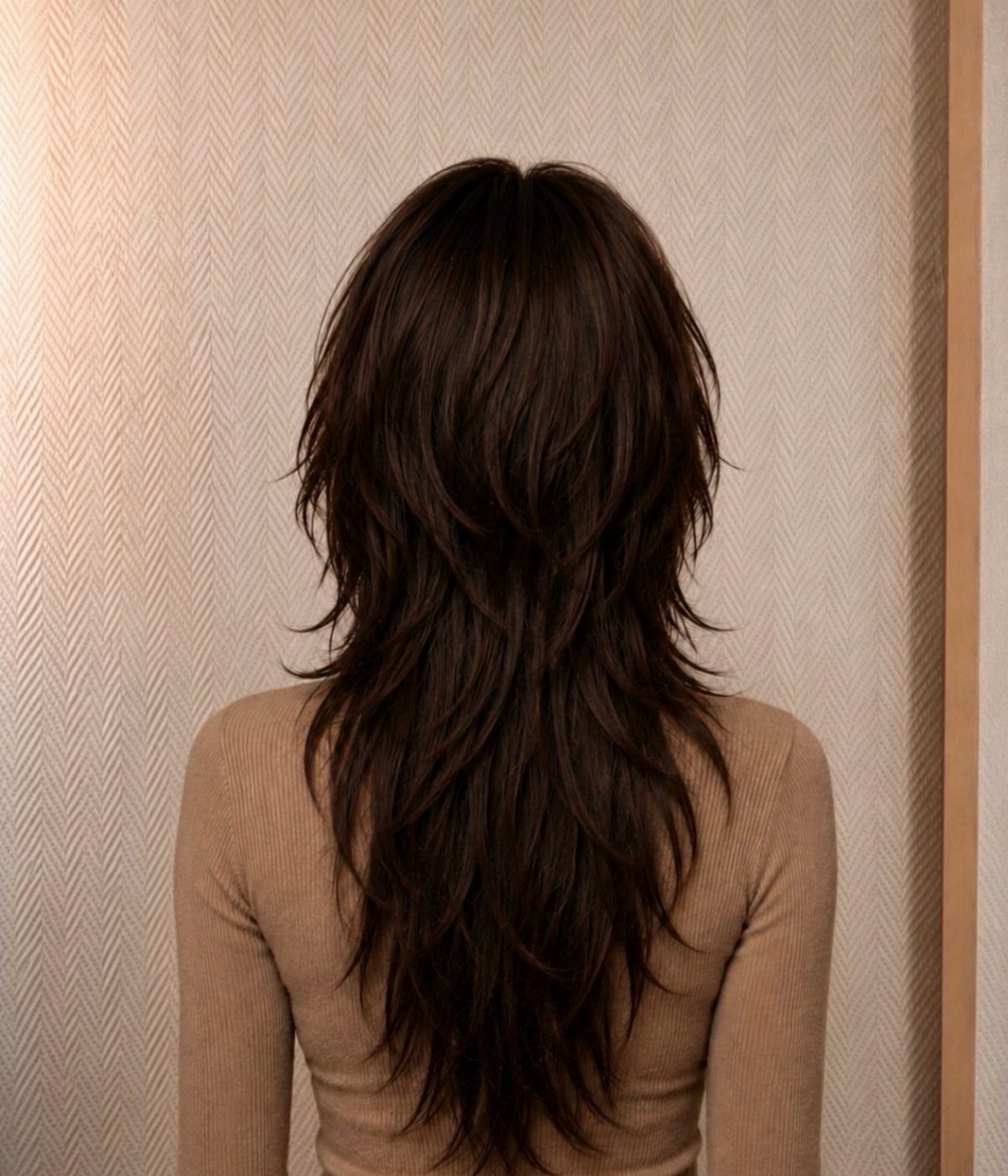
Seen from behind, a long shag shows its work: the layers break up the weight so dark, thick hair falls in soft pieces instead of one heavy block.
I like this cut for women whose hair feels like a lot to carry. Ask for texture cut inside the length, not just chopped at the ends, so the shape stays loose when you air-dry.
A shag needs a few minutes of styling to look deliberate, so plan on scrunching it with a bit of product or rough-drying it with your fingers; brushing it flat flattens the layers.
2. Curtain Bangs
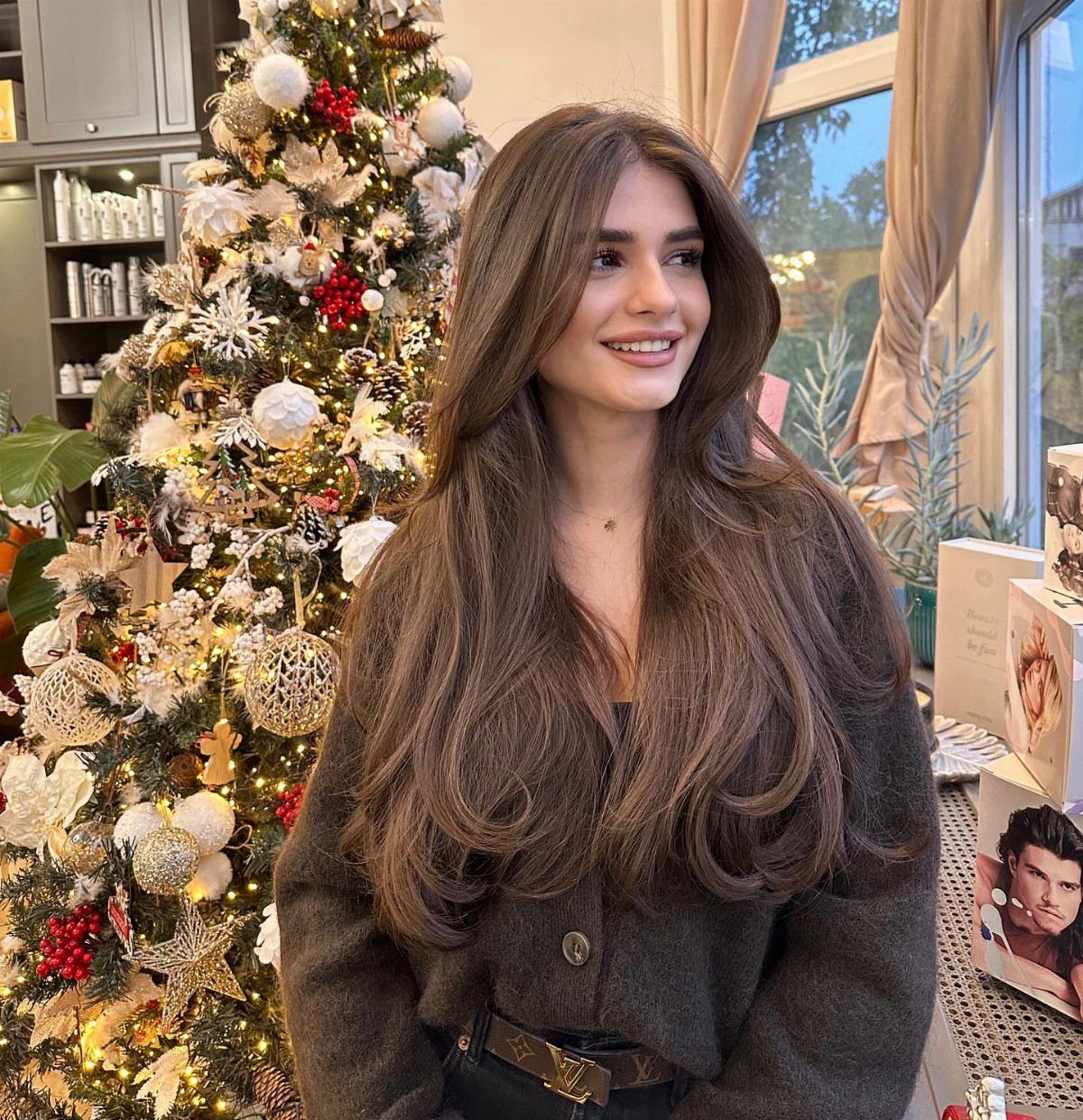
Curtain bangs part down the middle and sweep to each side, which makes them the gentlest way to put a fringe on long hair.
For thick hair, I’d ask the stylist to keep them light and wispy at the ends.
A dense, blunt fringe can turn heavy fast. Here they blend into the length, so the face gets framed without losing any of it.
They do grow out gracefully, but expect to tuck them behind your ears for a stretch.
3. Long Wavy Layers
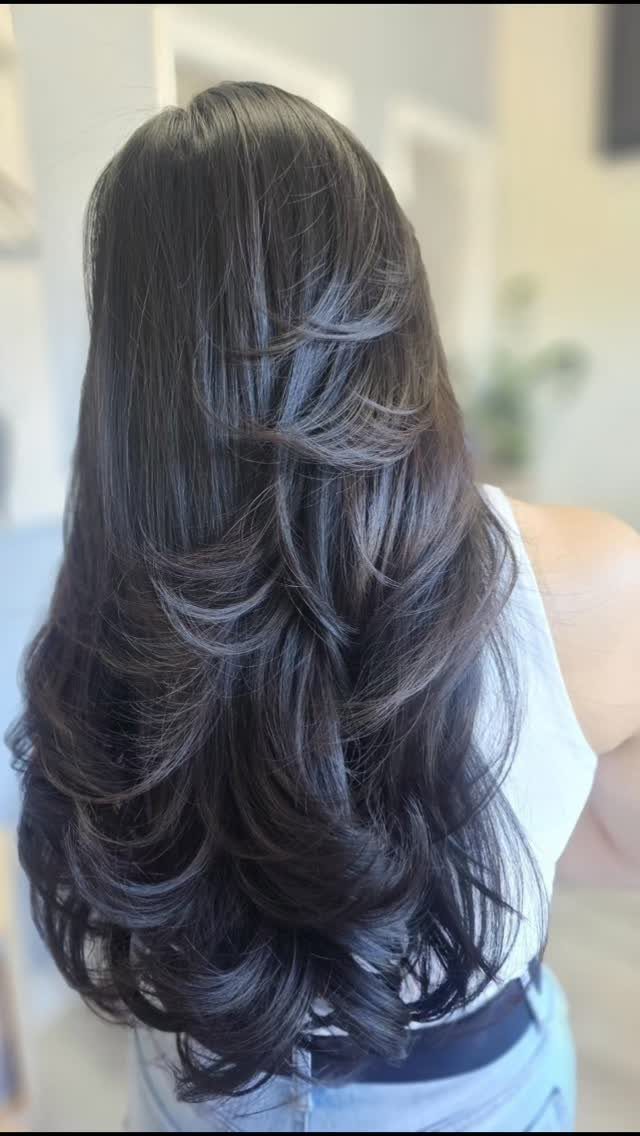
Waves only look good on thick hair when the layers are long enough to let them move. Cut too short, they puff out; cut extended, they stack into soft, bouncy curves.
My pick here is curled ends with a loose bend through the mids, so the hair keeps its fullness without turning into a triangle.
Ask for layers that start well below the chin. Dry the hair with a diffuser or by hand, and leave the brush in the drawer to keep the waves intact.
4. Long Layers with Face Framing
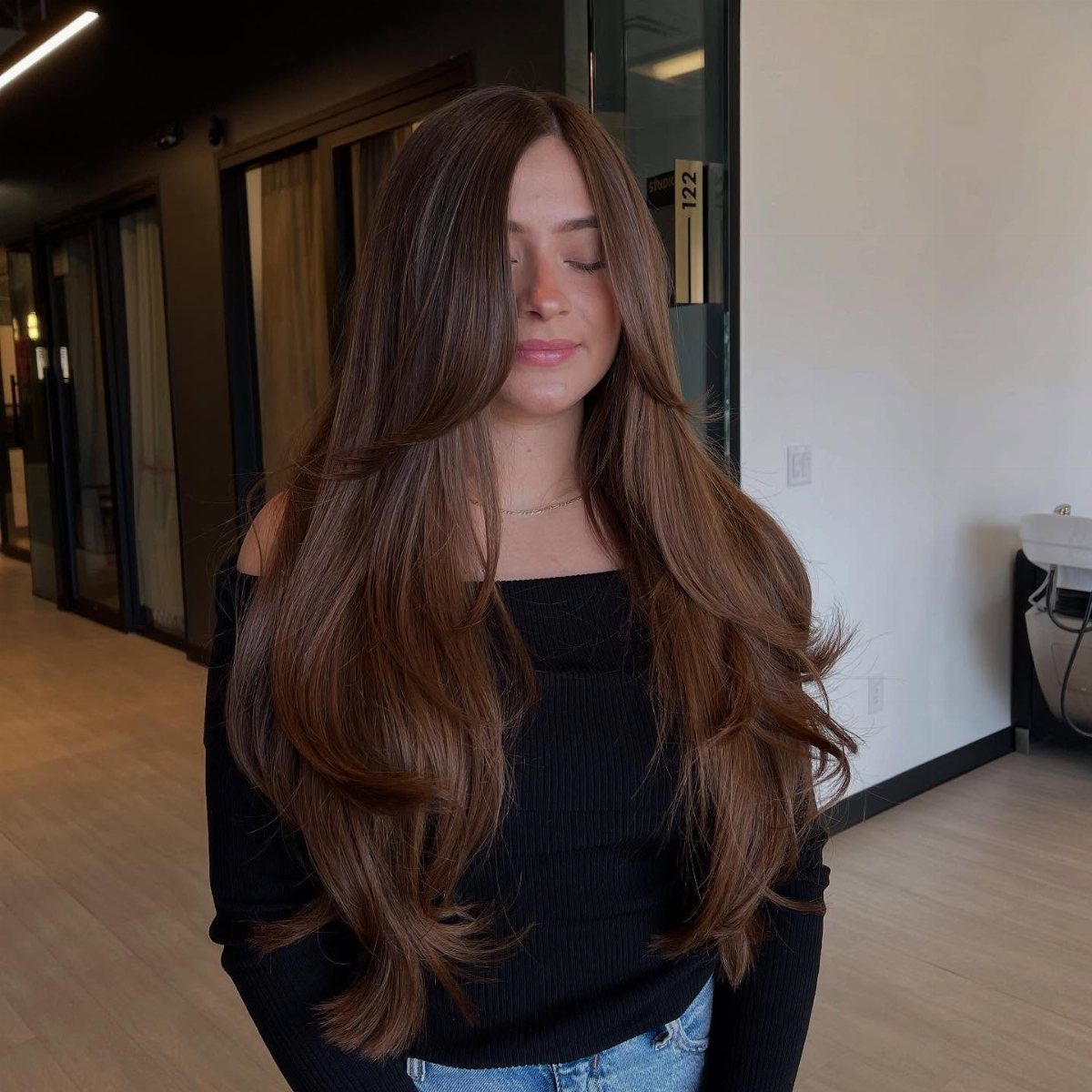
Face-framing pieces do the quiet work of reducing bulk. By cutting shorter strands around the cheeks and collarbone, the layers lighten the sides while the length stays long.
I’d choose this over heavy all-over layering if you want to keep fullness at the back. The result flows rather than sits like a wall.
Highlights near the front, like these, make the framing pieces easier to see, though they aren’t required for the cut to work.
5. Butterfly Cut
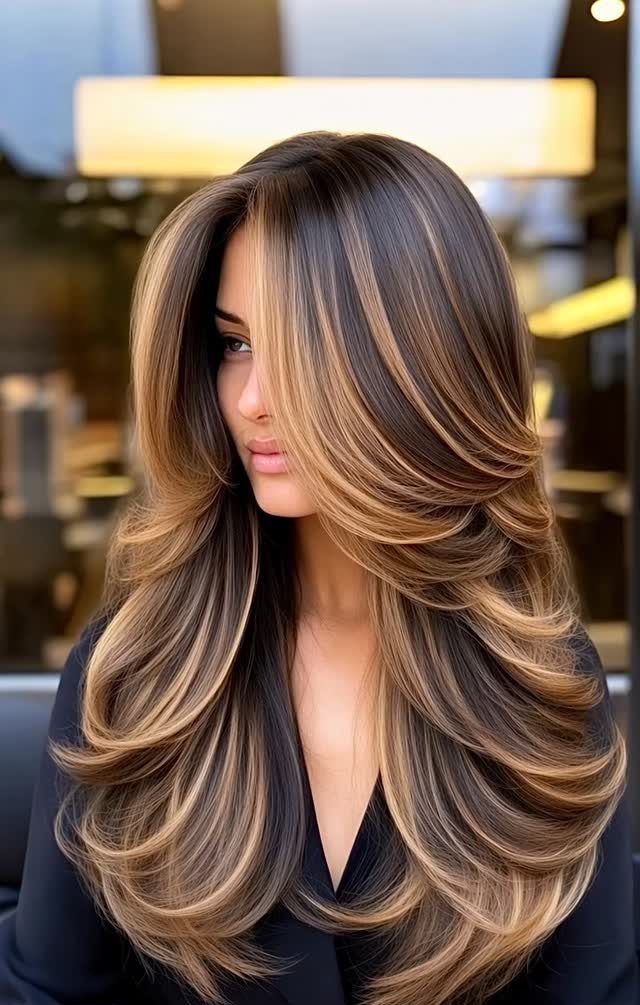
Short layers on top and long ones underneath give the butterfly cut its feathery, lifted look, and that suits thick hair that tends to hang flat from sheer weight.
A round brush does most of the work here: dry in sections and roll the ends away from your face, and the layers swing out with more lift. Without that step, the layers can fall limp.
Fair warning: this is a styled cut, not a wash-and-go one. If you won’t pick up a dryer, choose a softer layered cut instead.
6. Side Part
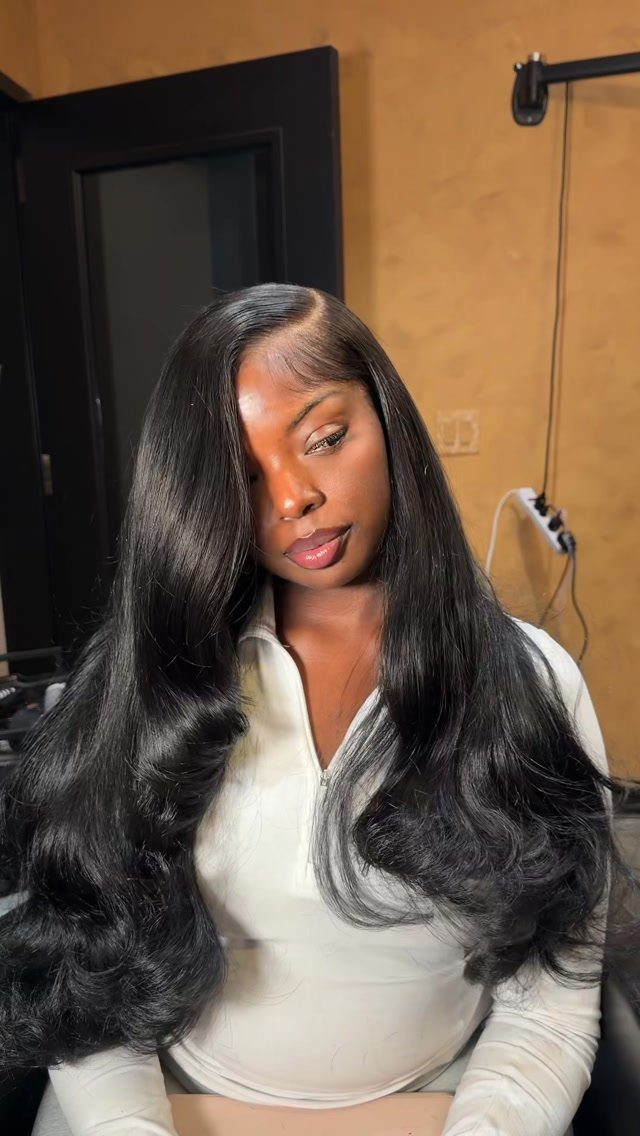
A deep side part sweeps a heavy curtain of hair to one side and instantly adds polish to thick, wavy hair. It’s a styling choice more than a haircut, so it costs nothing to try.
Part it with a comb while the hair is damp, then dry it in place so it keeps its direction. I prefer a part slightly off-center in waves; the hair settles with more lift.
Switch sides if one starts to look flat.
7. Layered Cut with Choppy Bangs
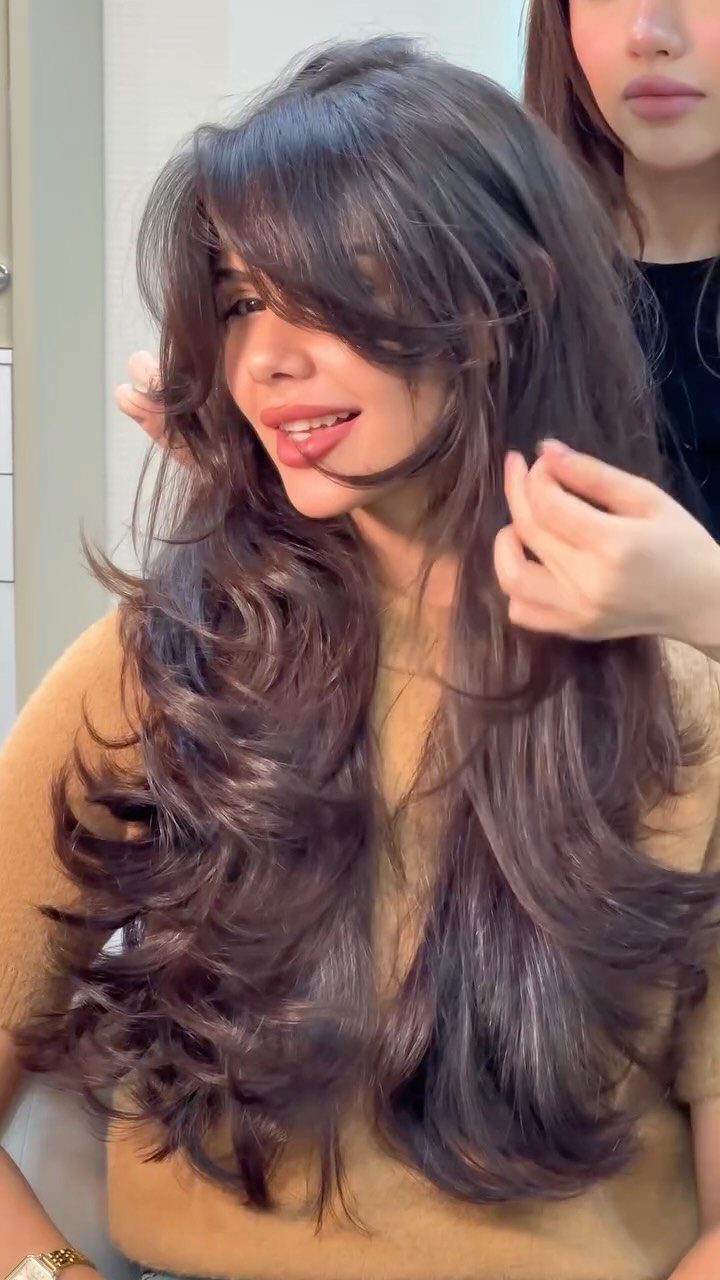
Choppy bangs bring texture to a layered cut, and the broken-up ends keep thick hair from looking blunt or heavy across the forehead.
I like this pairing for women who want a younger, lighter feel without losing length. Ask the stylist to cut the bangs with a point-cutting or slicing motion so they stay piecey rather than straight.
Expect to style them a little, since choppy ends look best with a quick pass of your fingers and some product.
8. Half-up Half-down Bun
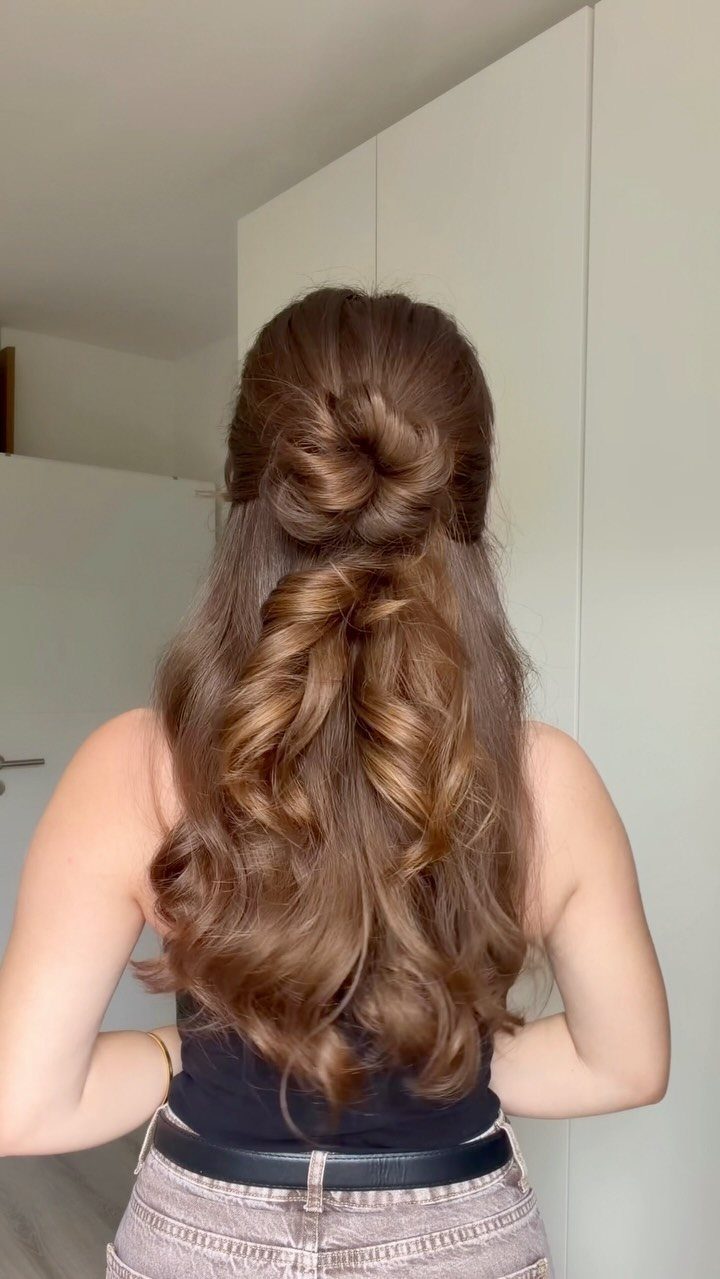
A half-up bun takes the top section of thick hair off your face and leaves the rest long and loose, so it’s a quick style that still looks put together.
Thick hair holds a bun well because there’s plenty to wrap, so a simple hair tie usually does the job. Pull a few strands loose around the face for a softer finish.
I’d pick this for busy mornings or days when the hair feels like too much to leave fully down.
9. Bixie
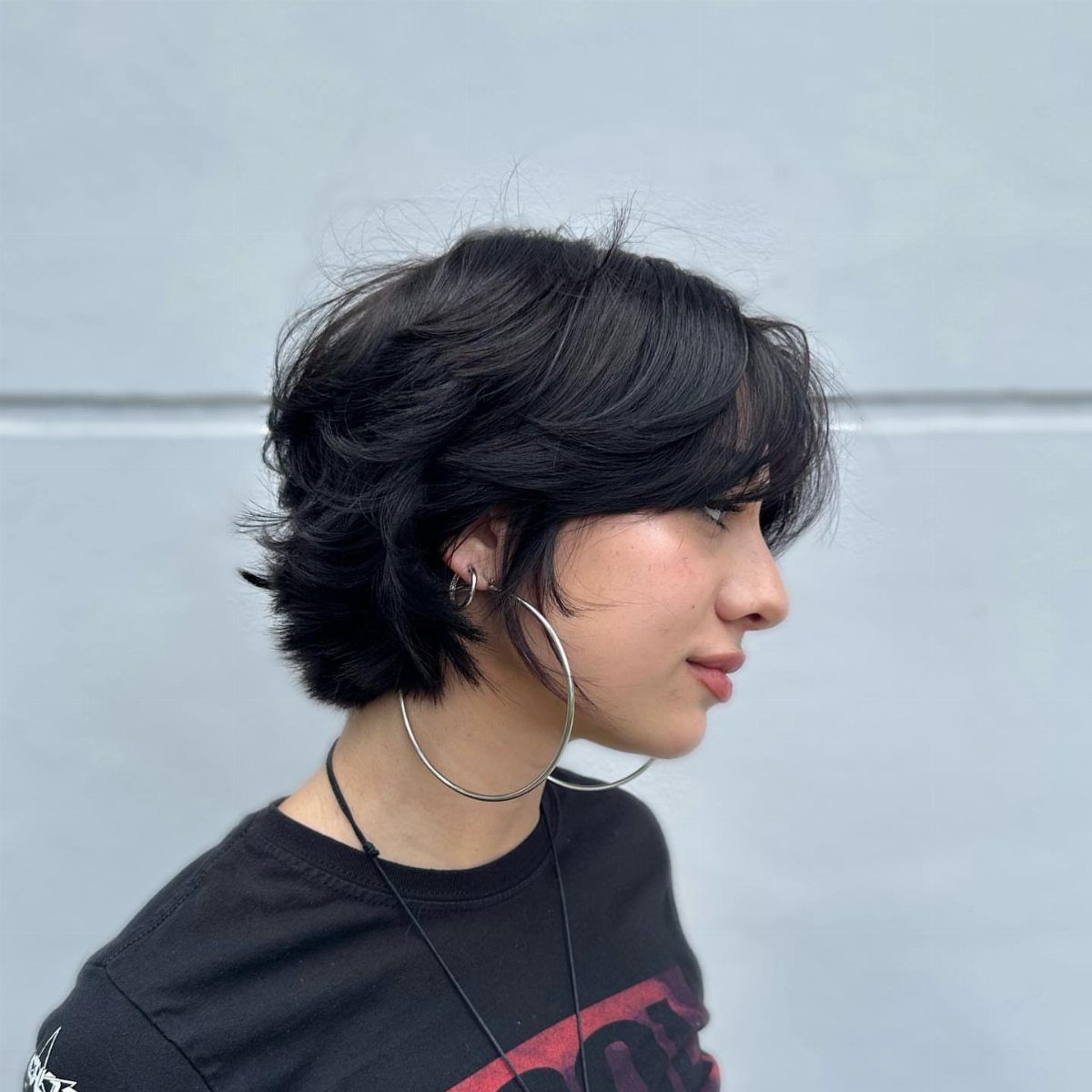
Short cuts are still in, and the bixie, a blend of bob and pixie with layers, can look striking on thick hair because the density gives the layers real body.
Ask for the layers to be cut to remove weight at the sides and back so the shape doesn’t puff out. Large hoop earrings suit a cut like this, since the neck and ears are fully on display.
Going this short is a big step from long hair, so I’d talk it through with a stylist first.
10. Long V-cut
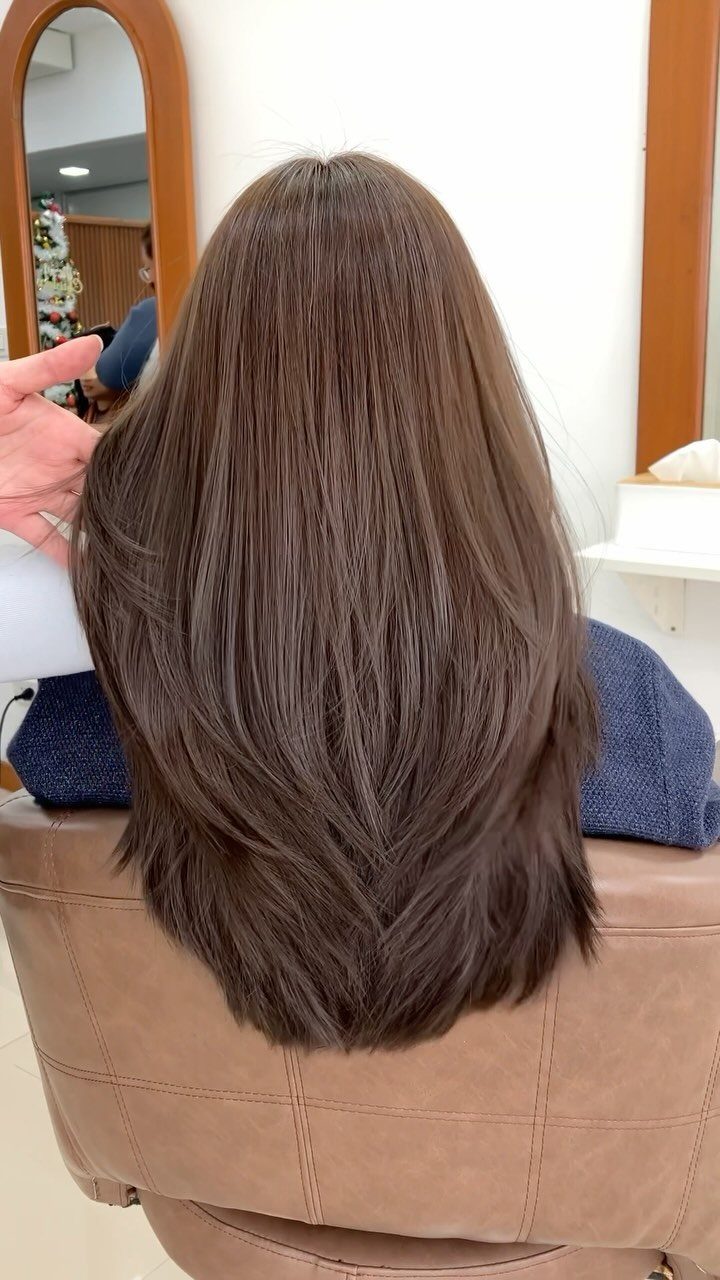
A long V-cut trims the back into a point, so the hair tapers toward the center and moves as you walk instead of hanging in one straight line.
On thick hair, a V-cut keeps the length you’ve grown and still gives the back a clear, tapered point, so the weight settles into a shape instead of one heavy block.
The longest strands stay in the middle while the sides sit slightly shorter.
Show your stylist how deep you want the point, since a gentle V looks softer than a sharp one. It also helps to trim every few months to keep the shape clear.
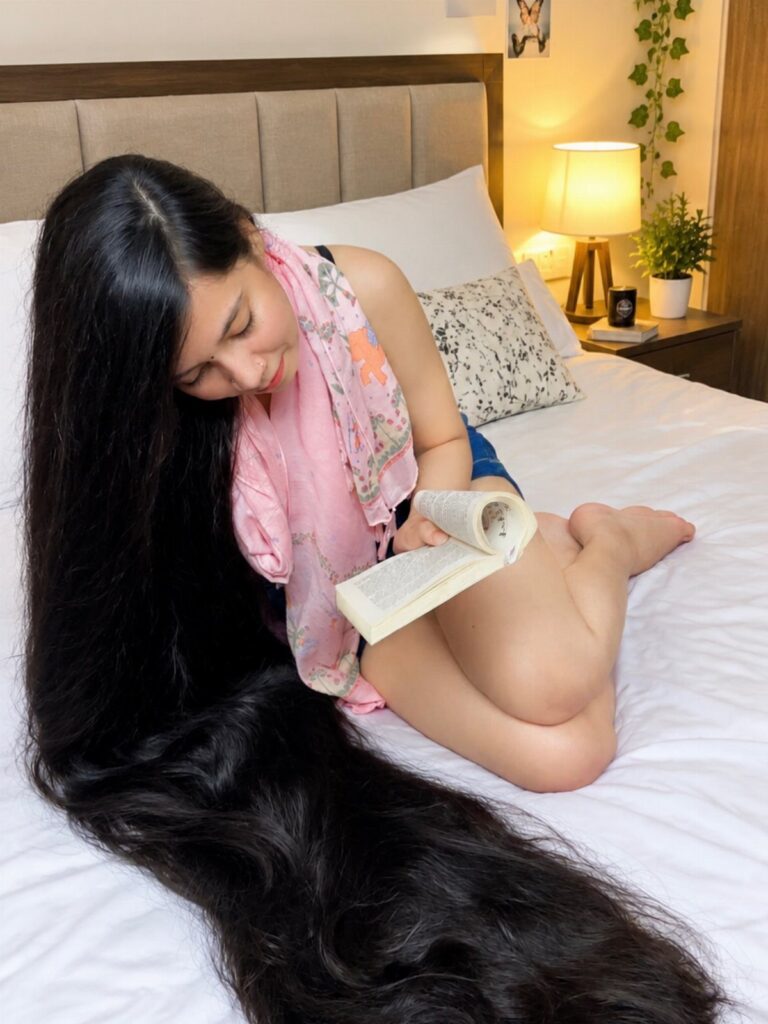
11. Long Thick Braid
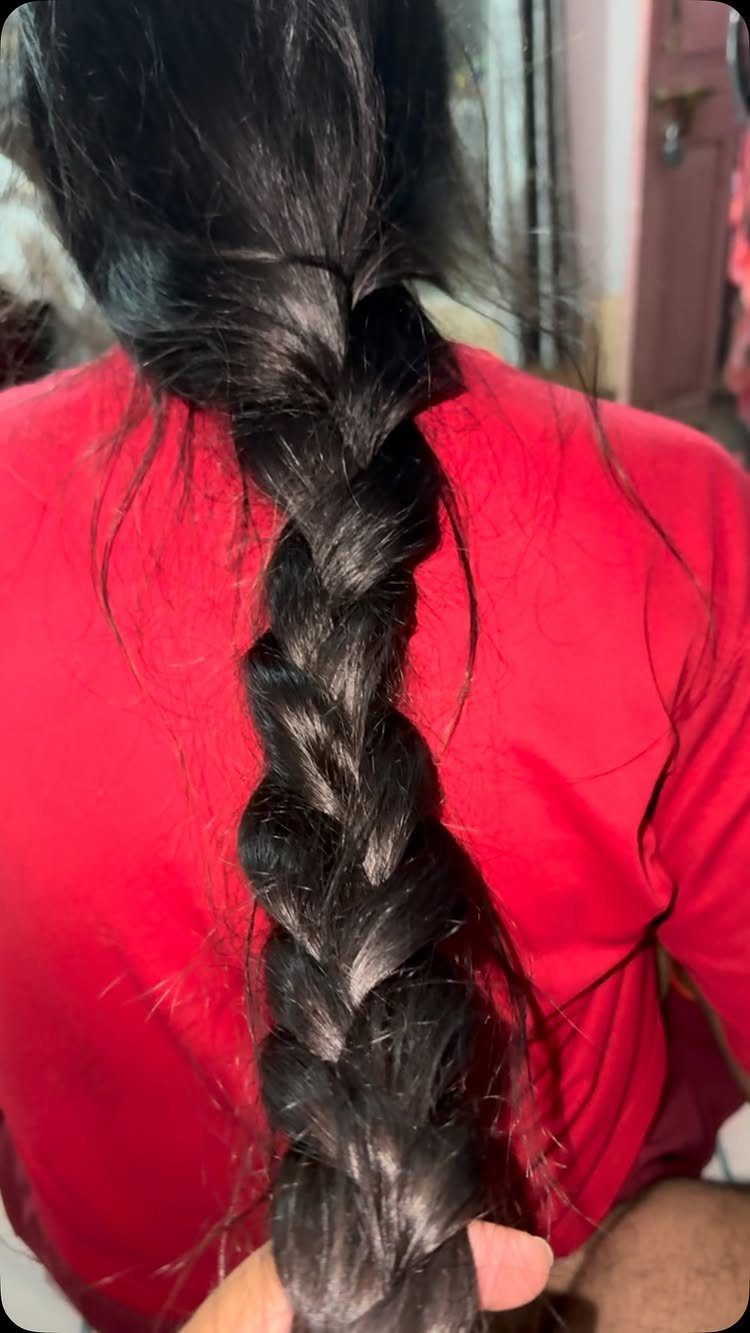
A braid makes thick hair look fuller and more defined, since the weave bundles all that density into one chunky rope.
Braid it loosely, then gently tug the edges of each section to widen it. A tight braid looks thinner, and a wider one shows off the volume.
Secure the end with a hair tie, and keep the braid over one shoulder or down the back. It’s one of the easiest ways to wear long hair and keep it out of the way.
If the hair is coarser and more opaque, it’s thick. Another factor that’s associated with hair thickness is hair density, which celebrity hairstylist Kim Kimble describes as the number of strands per section of the scalp.
— Vogue
12. Thick Hair Curls
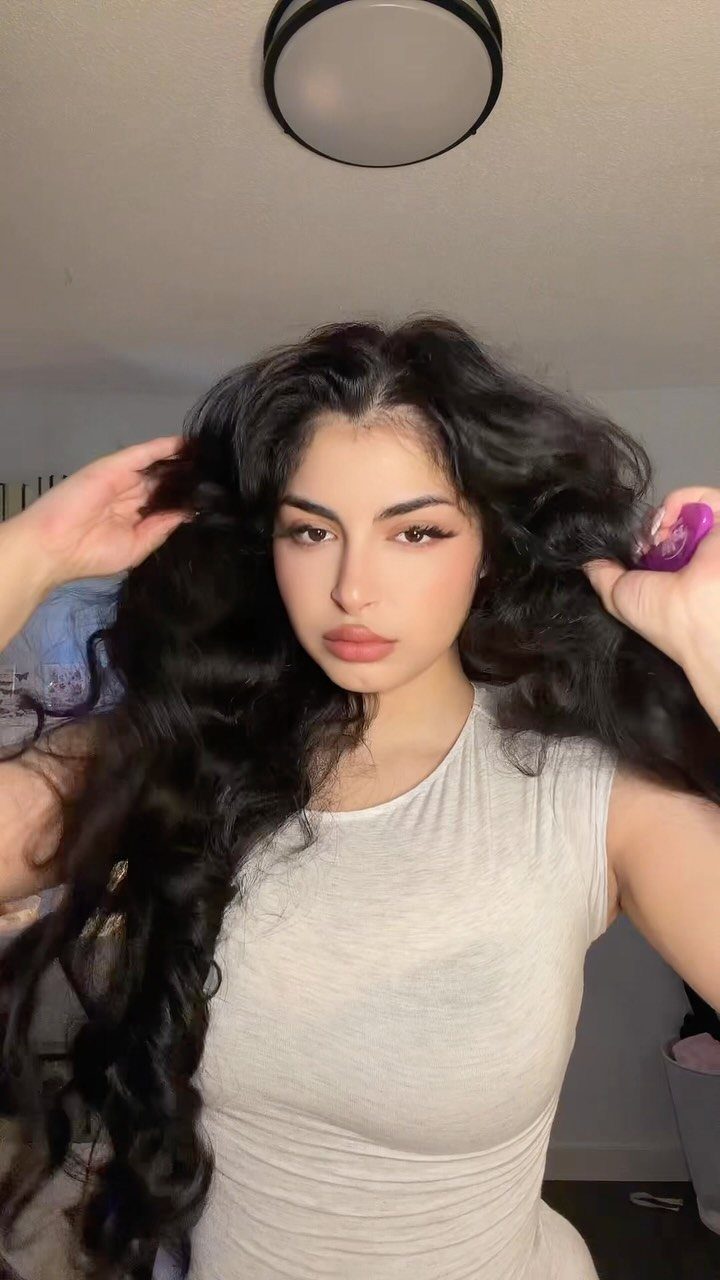
Thick hair can hold curls well, but it usually needs training to keep them, so consistency matters more than any single product.
I’d start with damp hair and shape the curls in sections, then let them dry fully before touching them. Handling them while they’re wet or half-dry breaks the pattern apart and invites frizz.
Over time, the hair settles into the shape and the curls come back more easily. Expect a few weeks of patience before the pattern looks reliable.
Haircut Maintenance Tips
Book a trim every 6–8 weeks. Thick hair carries a lot of weight, and regrowth left too long drags the shape down while split ends creep up the strands.
Finish with a heat protectant spray, which also keeps frizz in check.
If you want to grow out thick layers, go gradually.
A blending cut such as a shag or lob works as a bridge toward one even length. Chopping off a lot at once to lose the layers can leave you with a cut that doesn’t suit thick strands.
A strengthening treatment during the growing phase helps the hair hold up.
Washing Thick Hair
Thick hair can stretch 4–7 days between washes, because all that hair absorbs oil before it ever looks greasy. Some people with very thick hair go even longer, so test your own limit rather than following a schedule.
A boar bristle brush used between washes, starting at the scalp and pulling all the way to the ends, does a lot of quiet work.
The bristles loosen flakes at the scalp and carry natural oil down the length of each strand, so the roots stay less greasy.
When you do wash, add water first, then shampoo, since too little water is usually why shampoo won’t lather.
Thick hair may need 2–3 rounds to get clean. Rinse the back of the head carefully, because leftover shampoo there can irritate the scalp.
Choosing the Right Products
Layer products lightly.
Thick hair does need more product than fine hair, but too much feels coated and heavy, and you end up washing sooner. Start with less and add more as needed.
A leave-in conditioner, smoothing serum or blowout spray earns its place: each gives control, shortens drying time and protects against dryer heat. A volumizing spray belongs at the roots, where hair tends to lie flat.
Blow-dry rather than air-dry.
Rough-dry the roots until they’re about 50% dry, then work in sections no wider than your brush. Damp sections left to sit can irritate the scalp, and going to bed with wet hair can lead to mildew.
Frequently Asked Questions
Can you have long hair if it’s thick?
Yes, as long as the cut and the care keep up with the weight. Layers, face-framing pieces or a tapered V-cut let you keep the length while the density settles into a shape.
Does thick hair look better long or short?
Both can look good, but each has a price. Long thick hair needs a cut with layers or texture so the weight doesn’t sit like a wall.
Short cuts such as a bixie give the layers real body, though going that short is a big step and needs a talk with a stylist first.